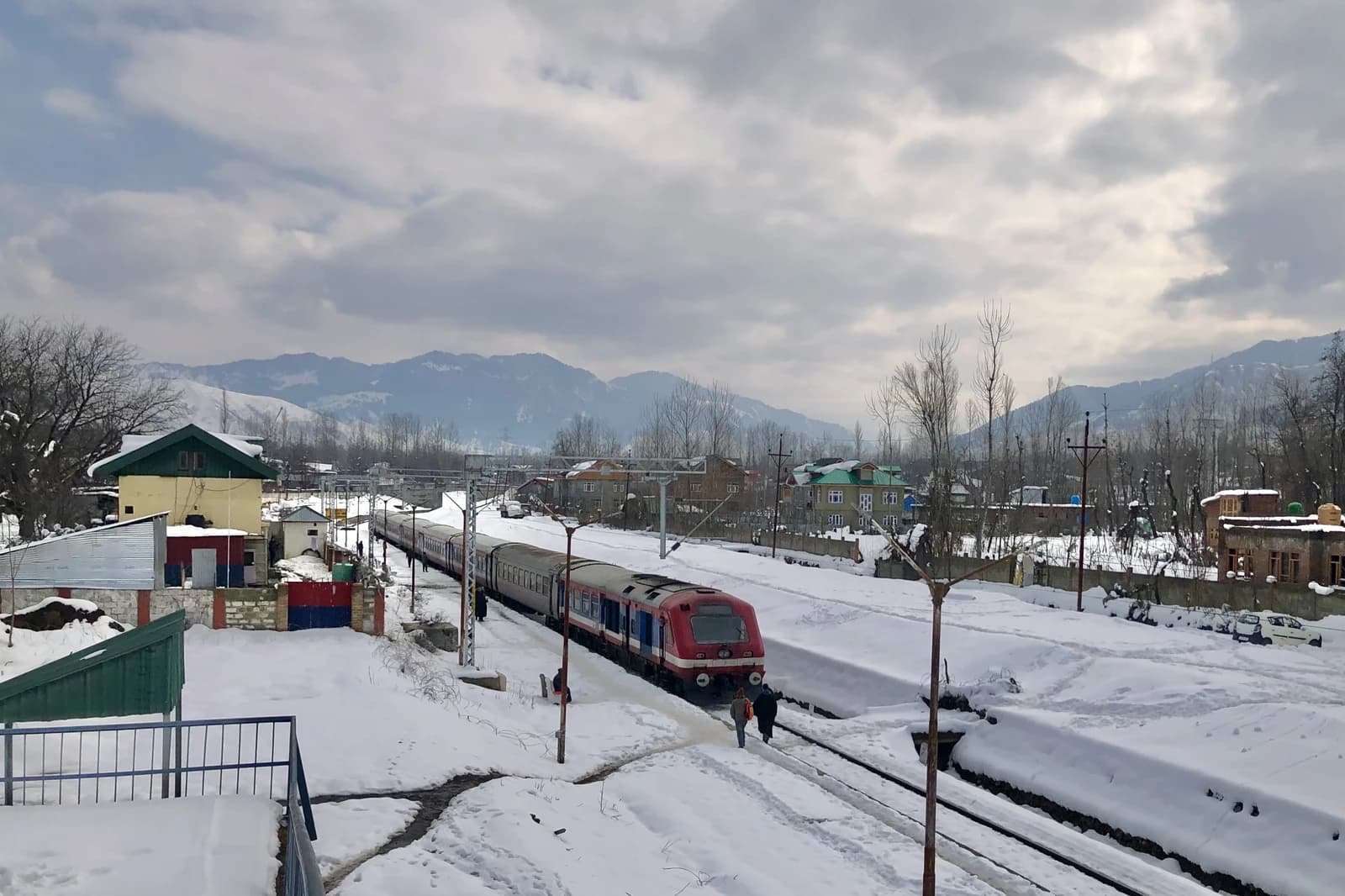
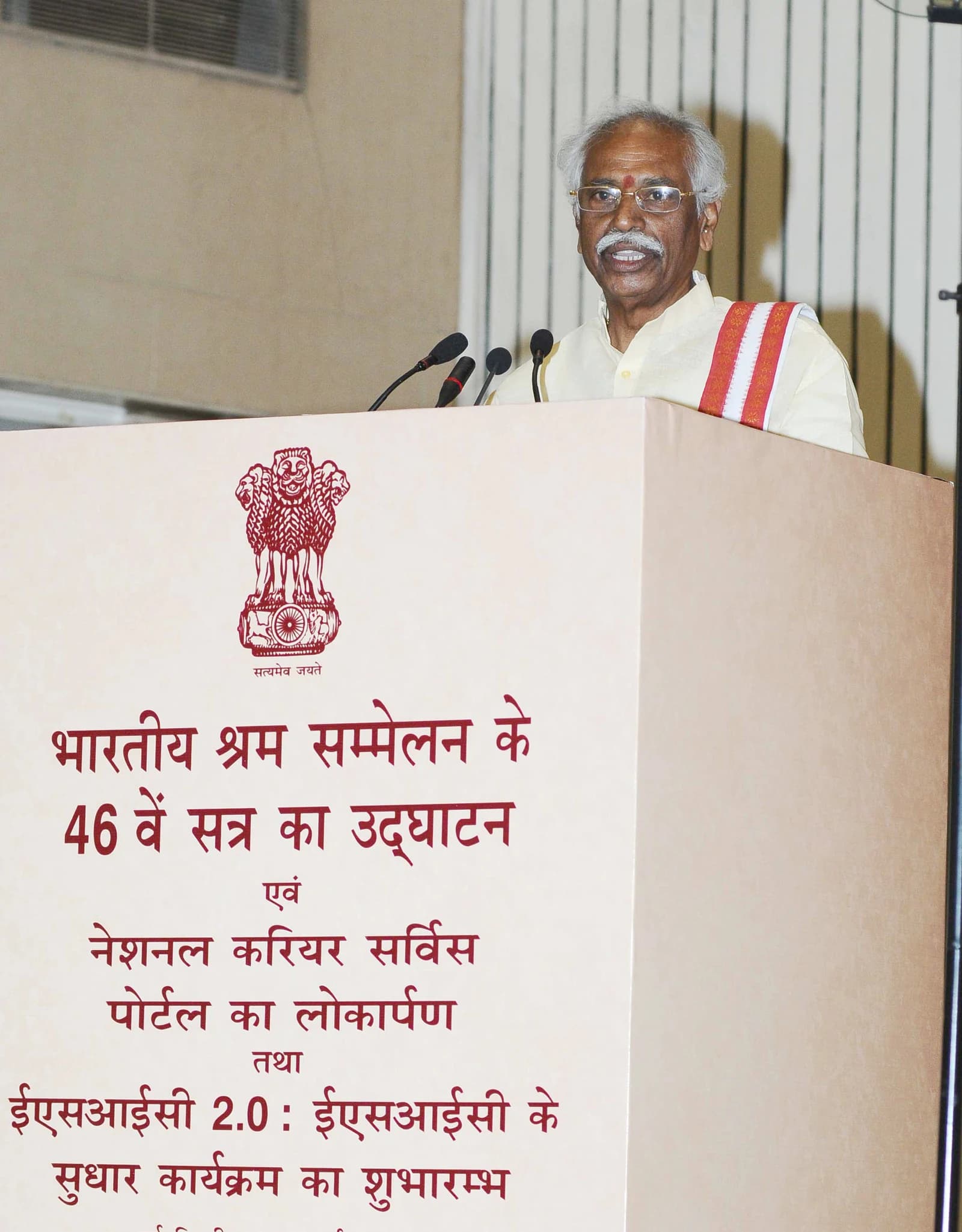
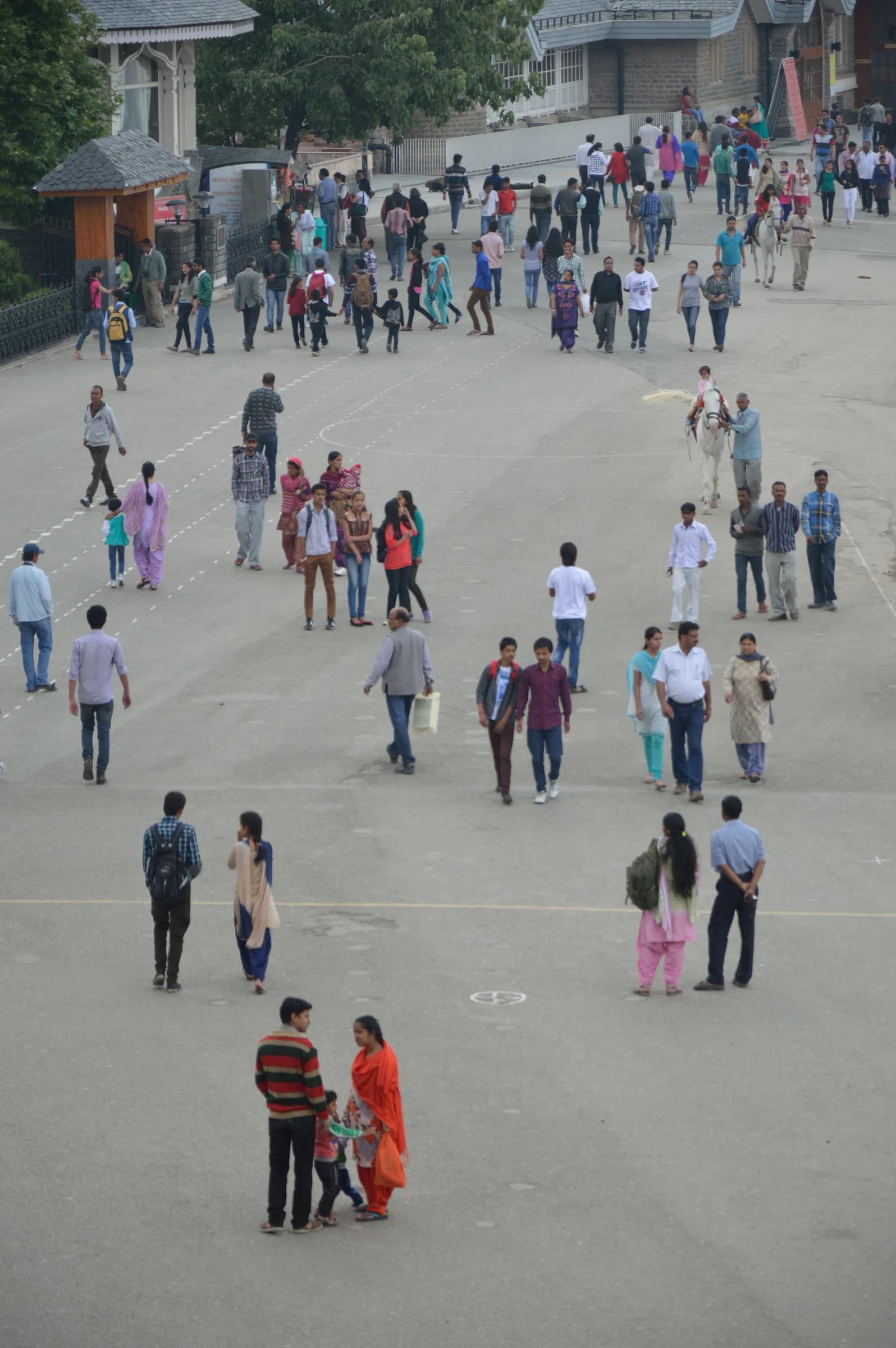
India has approved a Diwali-linked productivity bonus for 11.4 lakh railway employees, with payments of up to ₹17,951 each expected to reach workers before the festival and inject ₹2,009 crore into household spending.
India approves Diwali bonus for railway employees
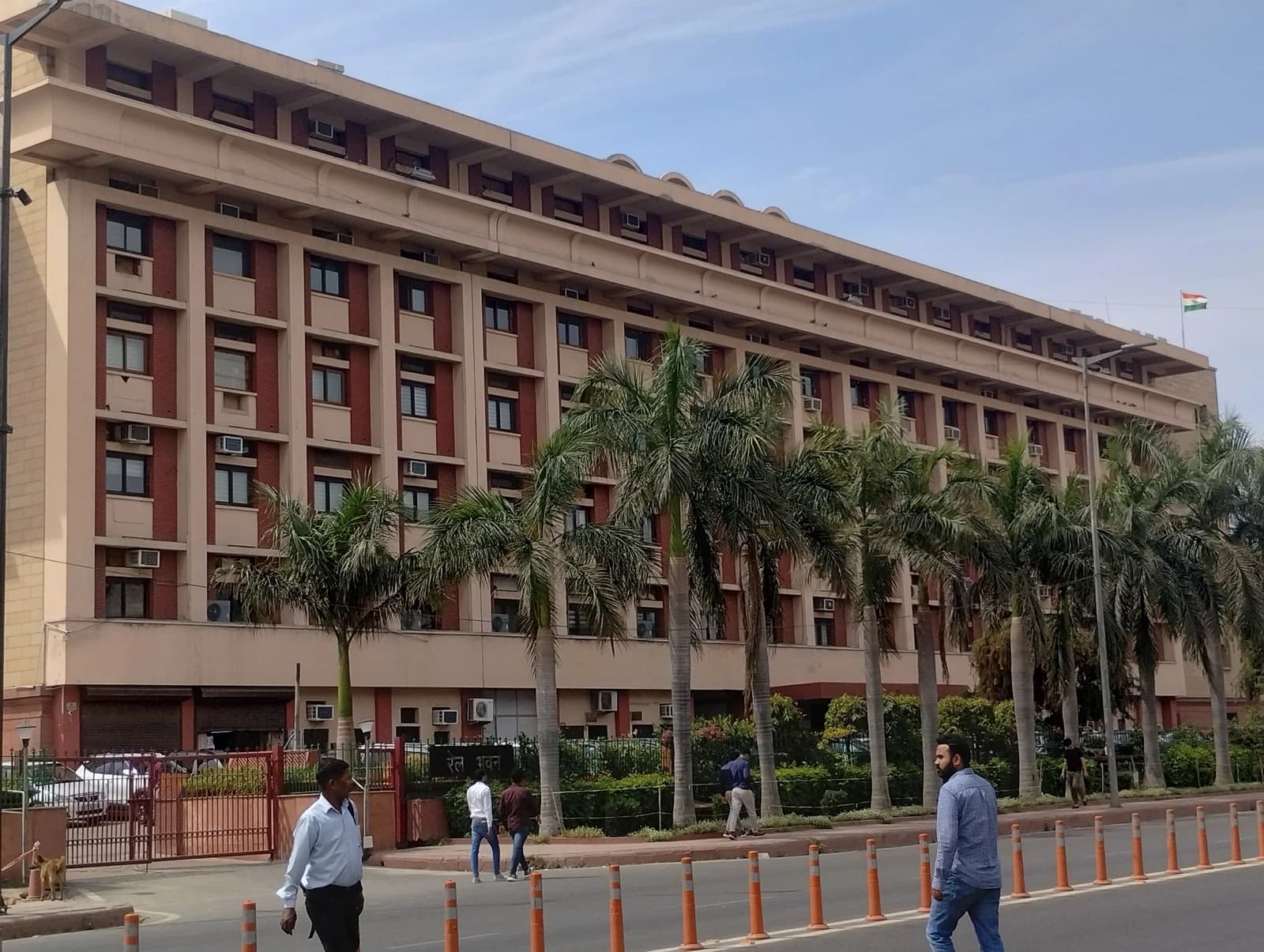
The decision matters beyond the festive optics. Railways are one of the government’s largest employers, and the bonus is a direct transfer of cash into lower- and middle-income households that are more likely to spend immediately on travel, food, clothing and consumer durables. That makes the payout a short-term support for consumption at a time when policymakers are still looking for signs that private demand can broaden beyond a few urban and premium segments.
Sentiment IndicatorsⓘProprietary · adalytica.com · October 20, 2026
This is a snapshot — live sentiment, awareness and momentum for 130+ markets update continuously in the dashboard.Open AlphaPulse
The Cabinet approved the bonus at 78 days’ salary, extending the benefit to a large workforce spread across operations, maintenance and support functions. The maximum payout of ₹17,951 gives a sense of the scale for individual employees, while the aggregate outlay underscores the fiscal commitment behind the measure. For the government, the cost is modest relative to the central budget, but the political and economic dividend is larger: the move signals that New Delhi still sees wage-linked transfers as a lever for morale and discretionary spending.
For investors, the immediate relevance is less about the direct budget cost than the implied boost to consumer activity around Diwali. Retailers, travel operators and makers of fast-moving consumer goods could see a seasonal lift, particularly in markets tied to railway towns and smaller cities where the bonus will be felt most acutely. The read-through is also positive for sentiment in a labor-intensive part of the economy, even if it does little to change the broader investment case for infrastructure spending or public payroll discipline.
The backdrop is a labor market that, according to Adalytica’s Job Market Sentiment gauge, has slumped into “Extreme Fear,” suggesting workers remain anxious even as the government hands out festival cash. That makes the bonus more important as a near-term morale measure, though not a structural fix for wage pressures or household insecurity. The consumer confidence recession gauge, by contrast, remains elevated, pointing to a market that is still willing to spend but is not necessarily doing so from a position of strength.
The main question now is how quickly the money is distributed and how much of it is spent rather than saved. If the payout reaches employees ahead of Diwali, it should provide a visible, if temporary, lift to festive demand. For policymakers, it is another reminder that India’s consumption story still depends heavily on government income transfers and seasonal spending bursts, not just on private-sector wage growth.
| Entity | Gains | Losses |
|---|---|---|
| Railway employees | ▲Festive cash boost | ▼No structural wage reset |
| Consumer firms | ▲Short-term demand lift | ▼Limited if spending is saved |
| Government | ▲Political goodwill | ▼₹2,009 crore fiscal outlay |
| Household savings | ▲Immediate liquidity | ▼Potentially lower buffer-building |