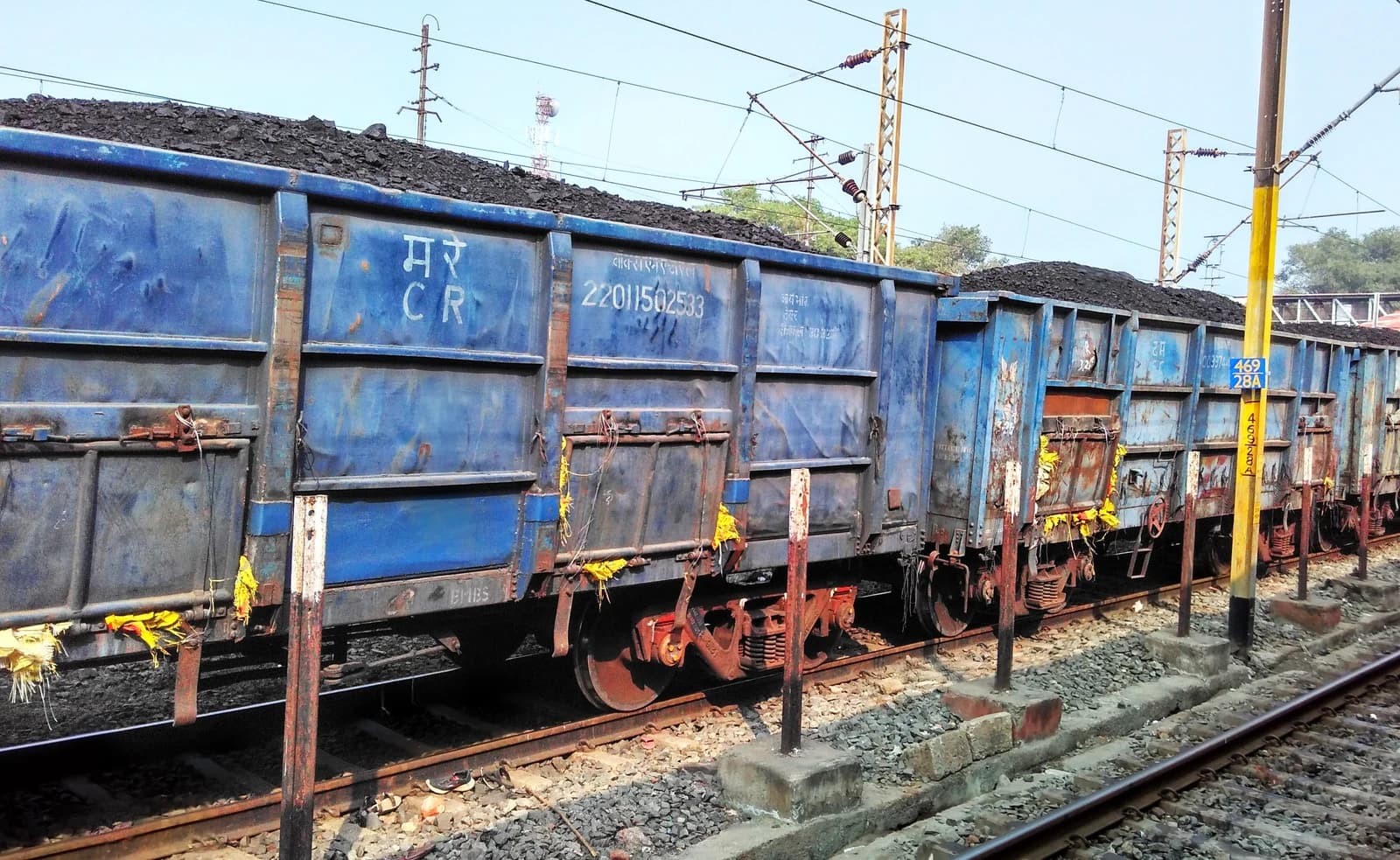
Gujarat is racing to secure electricity supplies after power demand hit a record 29,822 megawatts, forcing the state to line up 10 to 11 coal rakes a day through November and seek more long-term capacity to avoid shortages during peak evening hours.
Gujarat secures more coal and power to meet demand
Coal
The surge matters because it shows how quickly one of India’s more industrialized states is running into a fuel-and-grid squeeze as cooling demand, farm use and factory output all rise at once. State officials say demand jumped 36.6% from a year earlier on Oct. 16, while electricity consumption climbed to 574 million units from 457 million units in October 2025.
Sentiment Indicators
The pressure is being driven by a weak monsoon, higher temperatures and more irrigation demand, which has lifted agricultural consumption to as much as 12,000 megawatts. Industrial usage is also adding strain as factories increase production ahead of Diwali, making Gujarat more reliant on coal during the evening window when solar output fades and wind generation can swing sharply.
To bridge the gap, the state has secured 329 megawatts from NTPC’s Farakka plant for November, 551 megawatts from the central pool in Assam and extended 716 megawatts of power purchase agreements from Bade-1 and Dadri-1 thermal plants until March 2028. Officials are also pressing for another 500 megawatts from reserve allocations, underscoring how tight the supply balance has become.
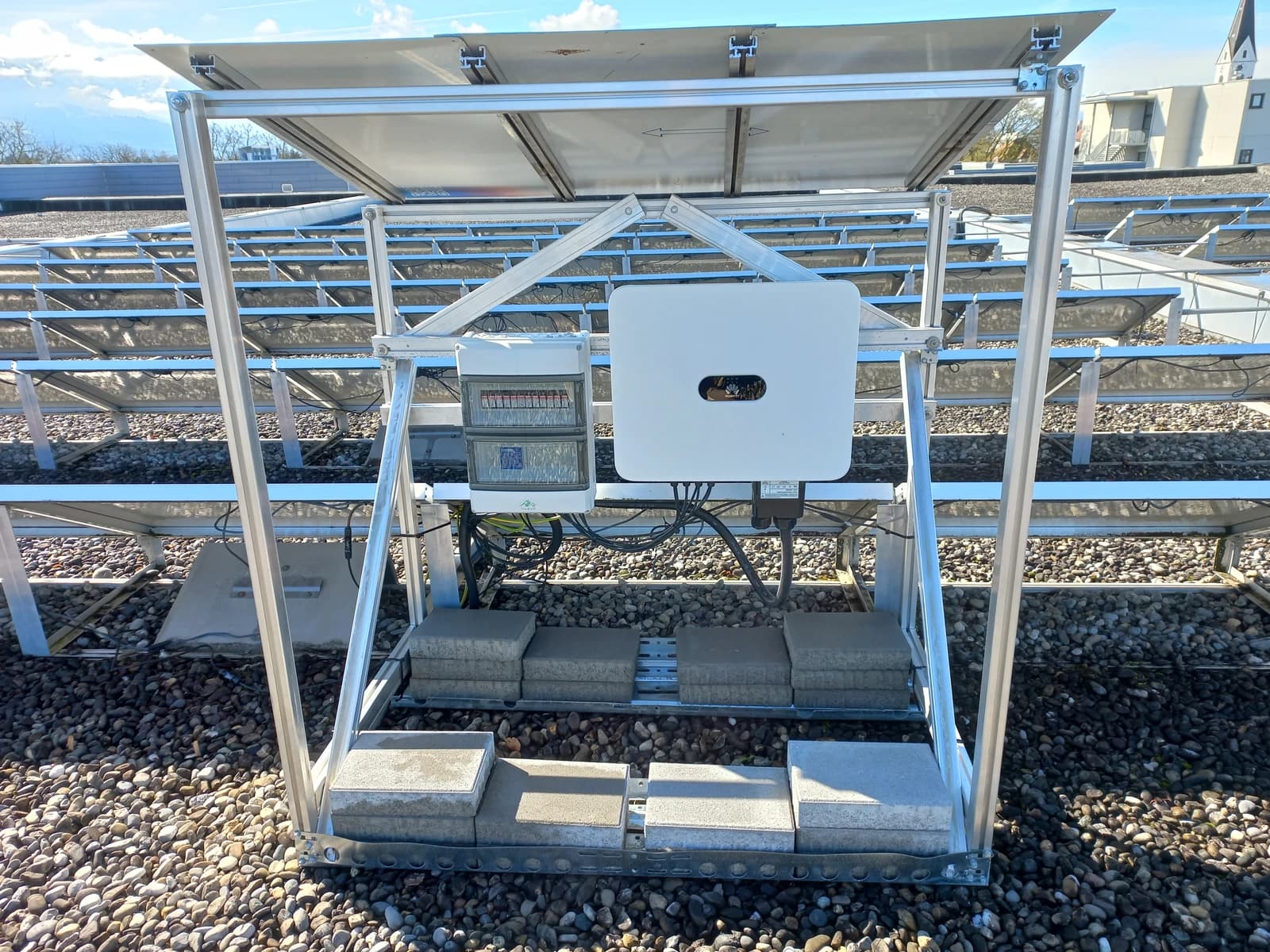
The government is also turning to battery storage to absorb daytime solar power and release it after sunset. Gujarat currently has 192 megawatts of battery storage in operation and has finalized contracts for projects totaling 2,742 megawatts, a sign that storage is moving from a pilot solution to a central part of grid planning.
For investors, the story reinforces demand for coal logistics, thermal generation and grid infrastructure even as India pushes renewables. It also highlights the near-term weakness of clean power alone to cover peak load, which can support coal-linked names and storage developers while increasing scrutiny on utilities, transmission bottlenecks and fuel availability.
The next focus is whether the promised 13 to 14 coal rakes a day materialize and whether storage and imported power can hold Gujarat through the evening peak without resorting to curtailments.
| Entity | Gains | Losses |
|---|---|---|
| Coal suppliers | ▲Higher dispatch volumes | ▼Tighter delivery schedules |
| Thermal power plants | ▲More fuel security | ▼Greater operating pressure |
| Battery storage developers | ▲Faster project demand | ▼Slower coal-to-grid transition |
| Industrial power users | ▲Fewer outage risks | ▼Higher energy system stress |