TG Genco’s push to repair coal handling bottlenecks at the Yadadri Thermal Power Station matters because it is the difference between a large new power plant running at design strength and one that is forced to underperform just as demand for reliable electricity keeps climbing.
TG Genco repairs Yadadri coal handling plant
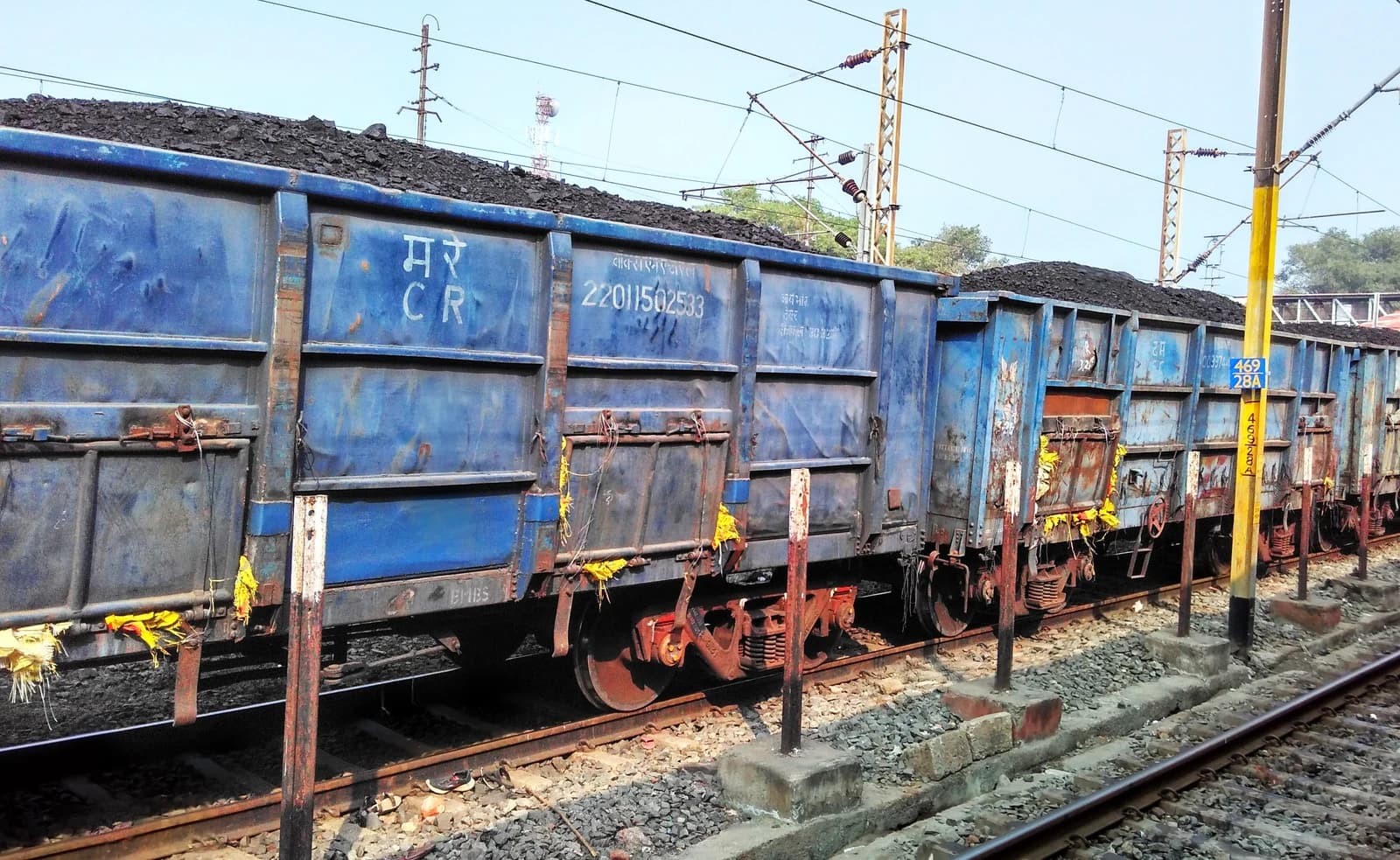
The state utility said it has begun rectification work on the coal handling plant, or CHP, at YTPS to cope better with wet and slushy coal and to unlock the plant’s rated handling capacity of 2,500 tonnes per hour. Bharat Heavy Electricals has promised the major upgrades will be finished by the end of October 2026, a timetable that gives Telangana a clearer path to steadier base-load generation from one of its most important assets.
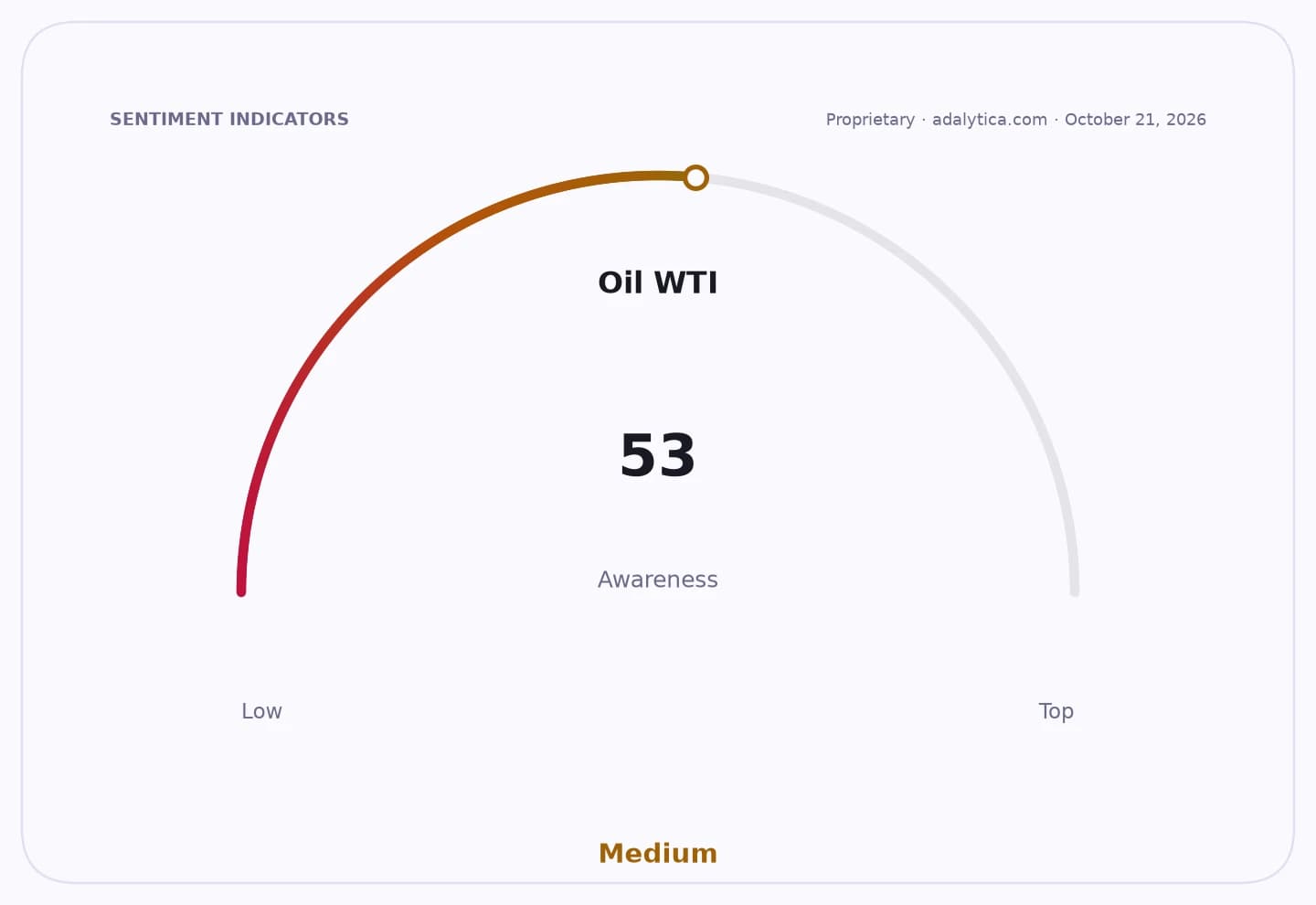
Sentiment Indicators
That matters economically because thermal power still underpins India’s grid when demand jumps and renewable output is variable. TG Genco said the four commissioned units at YTPS are already supplying 1,800 MW to 2,300 MW to the state grid, while the fifth 800 MW unit was synchronized on Oct. 6 and is likely to reach commercial operation in November. Once the last unit is fully online, YTPS will be able to deliver its full 4,000 MW capacity, making it one of the state’s most important power anchors.
For investors and long-term observers of India’s infrastructure buildout, the key issue is not just construction progress but operational reliability. A plant can be technically complete and still fail to maximize returns if coal quality, rail logistics or handling systems become a bottleneck. TG Genco’s decision to lean on coal from the Naini Coal Block and Mahanadi Coalfields, alongside existing linkages with Singareni Collieries, shows how power utilities are managing supply risk in a system that still depends heavily on thermal fuel.
The broader story is that India’s power demand keeps rising on the back of industrial activity, urbanization and weather-related swings, while utilities are being forced to keep old-fashioned fuel logistics running smoothly. TG Genco said it is targeting at least 140 million units a day from its thermal fleet, a reminder that reliable generation is still prized over headline capacity numbers.
The stock itself has already reflected some optimism. Genco shares have been volatile, but the latest close of 17.36 showed the stock above its 200-day moving average of 15.74, while the 50-day average sat at 17.88, suggesting investors are still weighing execution risks against the promise of a larger operating base. Conventional technical indicators also show momentum has cooled from earlier peaks, which is typical when a project moves from construction headlines to hard operating results.
For long-term investors, the takeaway is simple: the real value in a utility or power infrastructure story often shows up after the units are built. If TG Genco can fix the coal-handling weak spot, bring the fifth unit into commercial service and keep fuel flowing reliably, YTPS could become a durable earnings and cash-flow engine rather than just a large capacity announcement. That makes the project worth watching, especially for investors who prefer compounding over speculation.
| Entity | Gains | Losses |
|---|---|---|
| TG Genco | ▲Higher plant output | ▼Ongoing repair costs |
| Telangana grid consumers | ▲More reliable power supply | ▼Less slack in coal logistics |
| BHEL | ▲Upgrade and maintenance revenue | ▼Delivery pressure on timeline |
| Competing fuel-constrained generators | ▲Less pressure from YTPS supply gaps | ▼Stronger competition from full-capacity YTPS |