Fuel cells are emerging as one of the fastest-growing answers to the AI power crunch, as hyperscalers racing to build data centers run into multi-year grid delays and turn to on-site generation instead.
Bloom Energy, FuelCell gain from AI data-center power
That shift matters because electricity has become a bottleneck for AI expansion, and the companies that can deliver reliable power the fastest are now seeing their addressable market widen sharply. Rystad Energy estimates investment in fuel cells for data centers will jump to about $30 billion by 2030 from $2.8 billion in 2025, while roughly 40% of projected US data-center capacity in 2030 could seek dedicated on-site power rather than depend entirely on the grid.
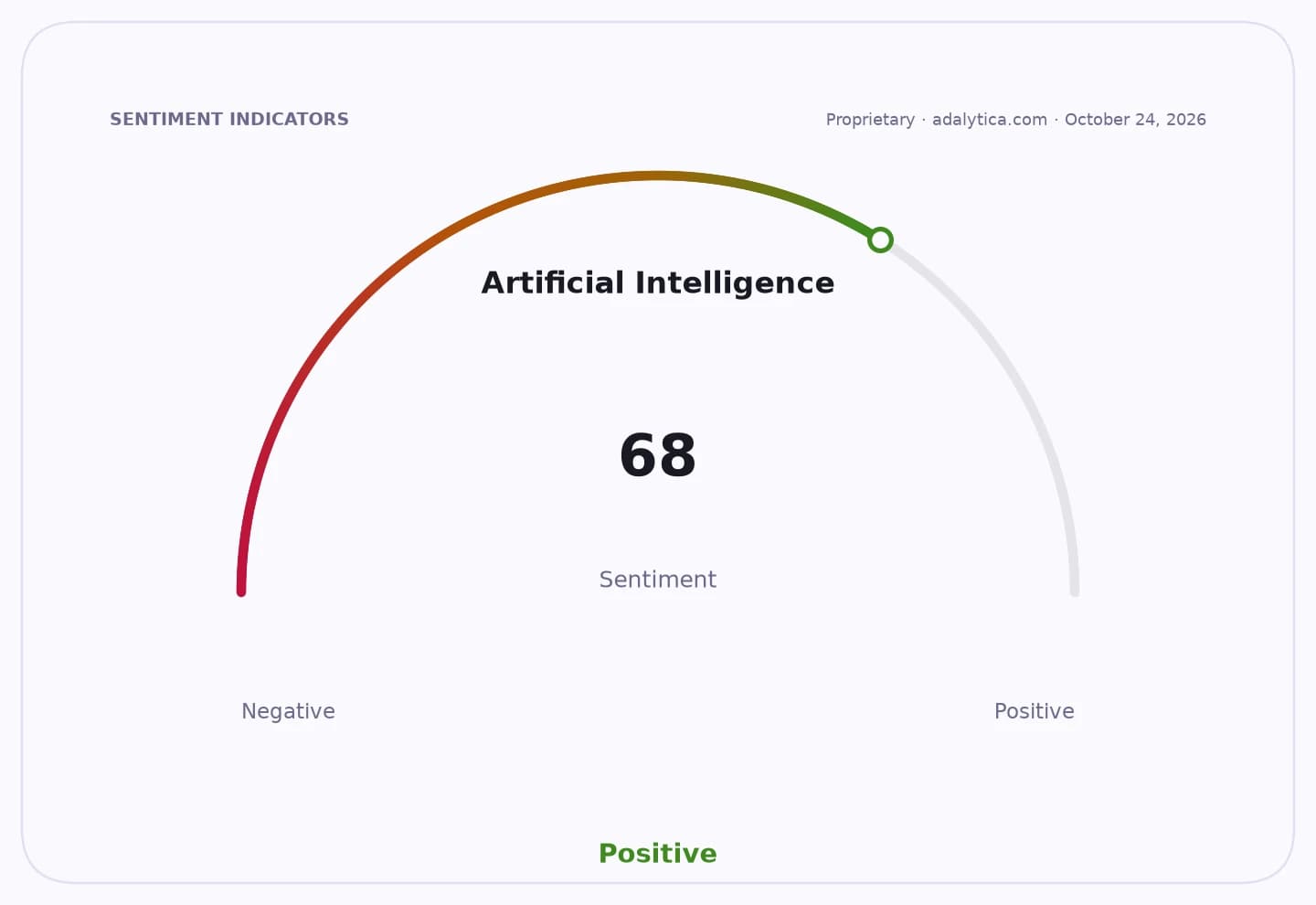
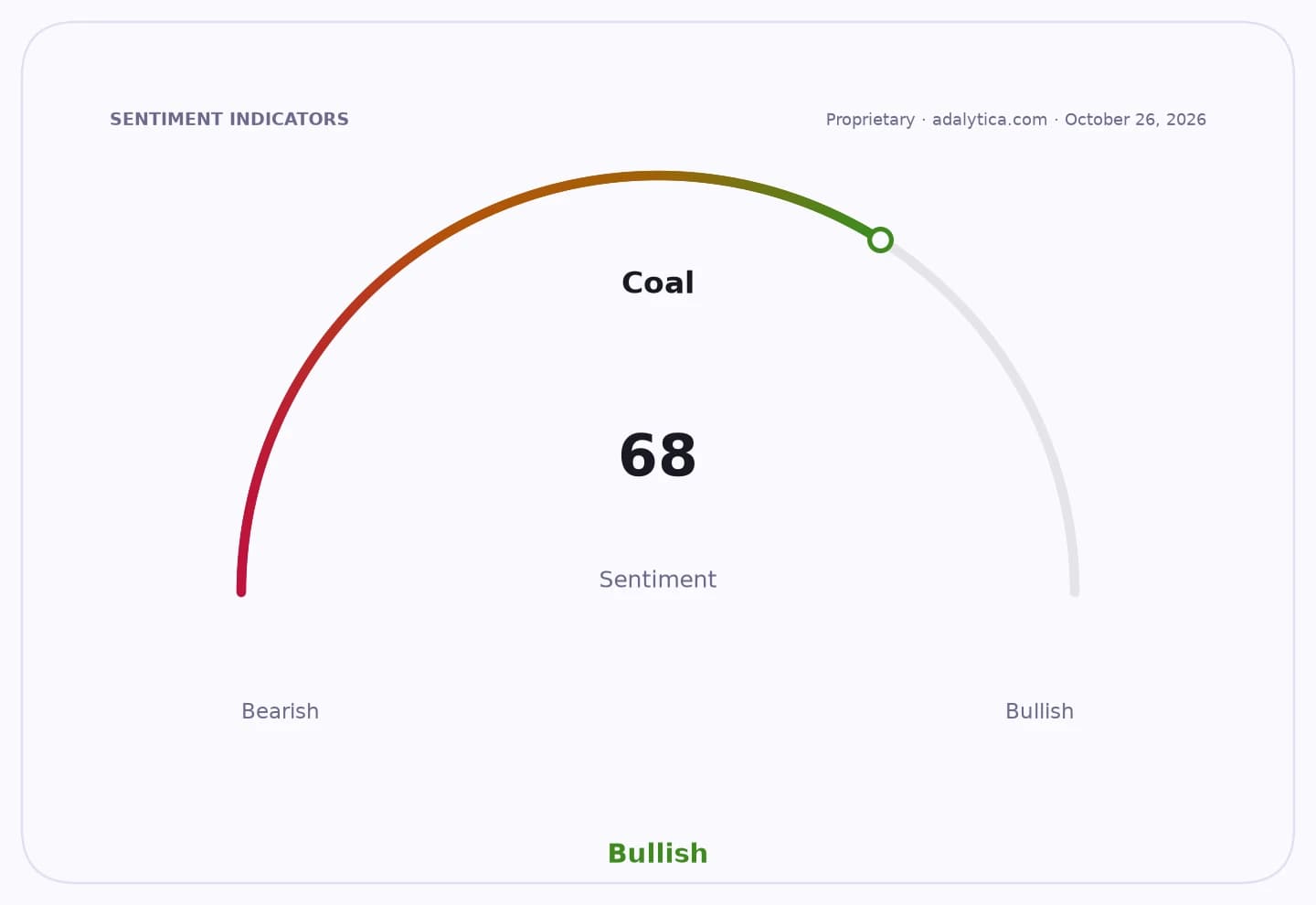
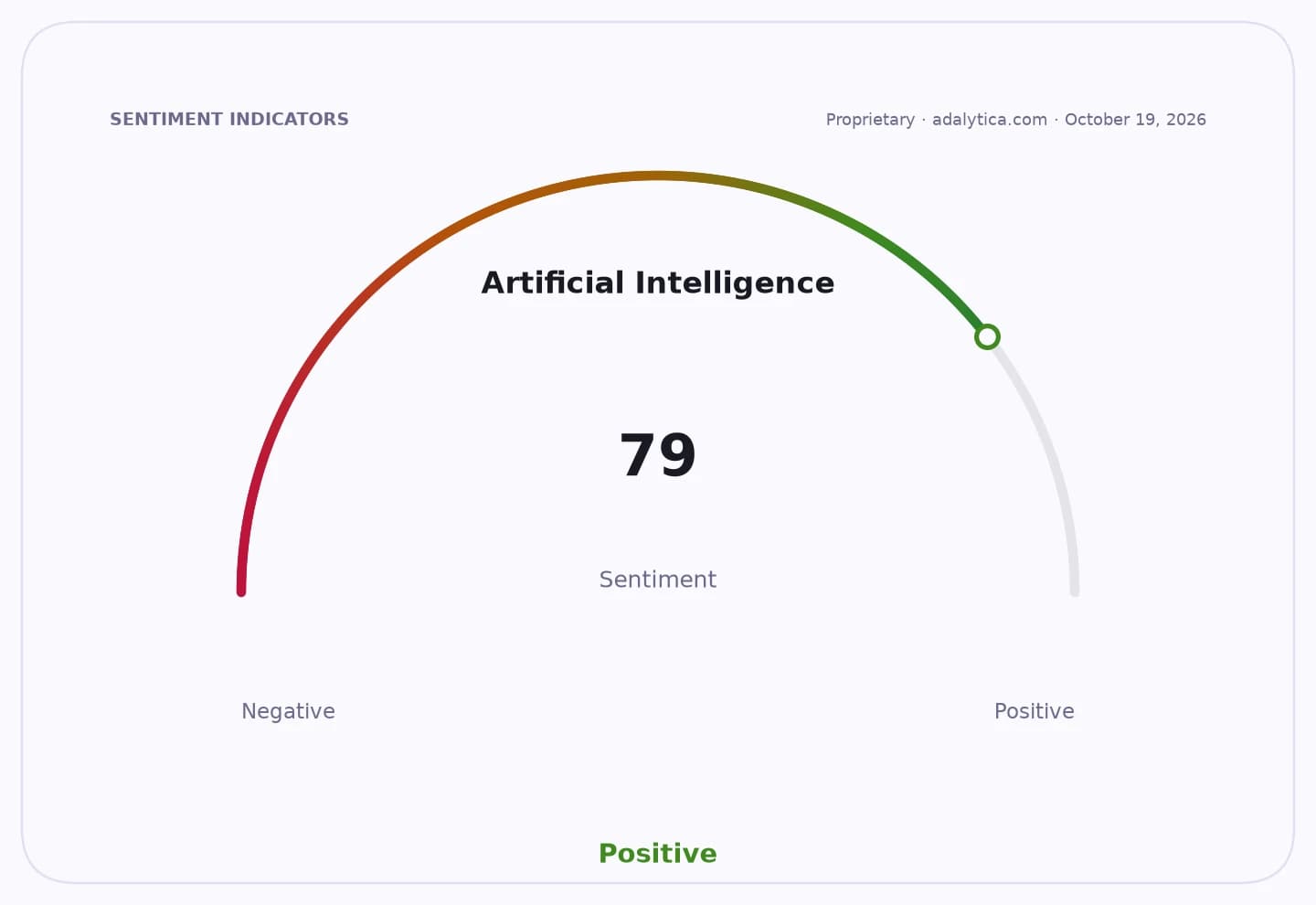
Sentiment Indicators
The appeal is speed. Rystad says connecting large loads to the US grid can take three to six years, a timeline that is too slow for cloud companies under pressure to bring AI capacity online quickly. Fuel cells allow developers to bypass some of that wait, with Bloom Energy saying it delivered power to Oracle’s Utah site in less than two months and secured planning approvals for a Nebius project in New Jersey within three months of signing.
That is already feeding through to suppliers. Bloom reported third-quarter revenue up 138% to $1.24 billion and swung to a net profit of $250.3 million from a loss a year earlier, while lifting its 2026 revenue forecast to $4.4 billion to $4.6 billion. Oracle has said it intends to procure up to 2.8 gigawatts of Bloom systems, with 1.2 GW already contracted.
FuelCell Energy is also targeting the same market. Chief Executive Jason Few told Reuters that “time to power has really become as important as cost of power,” and said data centers and related business should account for 75% to 85% of its business within two to three years, versus 25% to 30% now. Rystad puts the industry’s order book at roughly 9 GW, including framework agreements with Oracle, AEP, Equinix and Brookfield, though those deals do not guarantee firm purchases of the full amounts.
The investment case is not without risk. Fuel-cell manufacturing capacity is projected to rise to 4 GW by 2030 from about 1.8 GW now, but projects still need gas connections, permits, transformers and switchgear, all of which can slow deployment. Bloomberg and Reuters data also show the broader energy backdrop remains tight, with West Texas Intermediate crude back near $105 a barrel and the 10-year Treasury yield around 5%, conditions that keep capital costs elevated for infrastructure-heavy projects.
For investors, the story is a split-screen: hyperscalers gain a faster route to power, while fuel-cell makers get a rare growth runway tied directly to AI infrastructure spending. The next catalyst is execution — whether suppliers can convert framework agreements into orders and deliver enough systems, fast enough, to keep pace with the data-center buildout.
| Entity | Gains | Losses |
|---|---|---|
| Bloom Energy | ▲Larger data-center orders | ▼Grid-reliant rivals |
| FuelCell Energy | ▲Higher AI demand exposure | ▼Slow project approvals |
| Hyperscalers | ▲Faster power access | ▼Waiting on utility interconnects |
| Utilities/Grid operators | ▲Deferred load growth | ▼Lost near-term demand to on-site power |