A $100 billion plan to convert a former uranium enrichment site in western Kentucky into a giant AI and power complex could become one of the biggest bets yet on whether artificial intelligence infrastructure can be built at scale without overwhelming the grid, local communities or investors’ appetite for debt.
Brookfield, NextEra back Paducah AI power hub
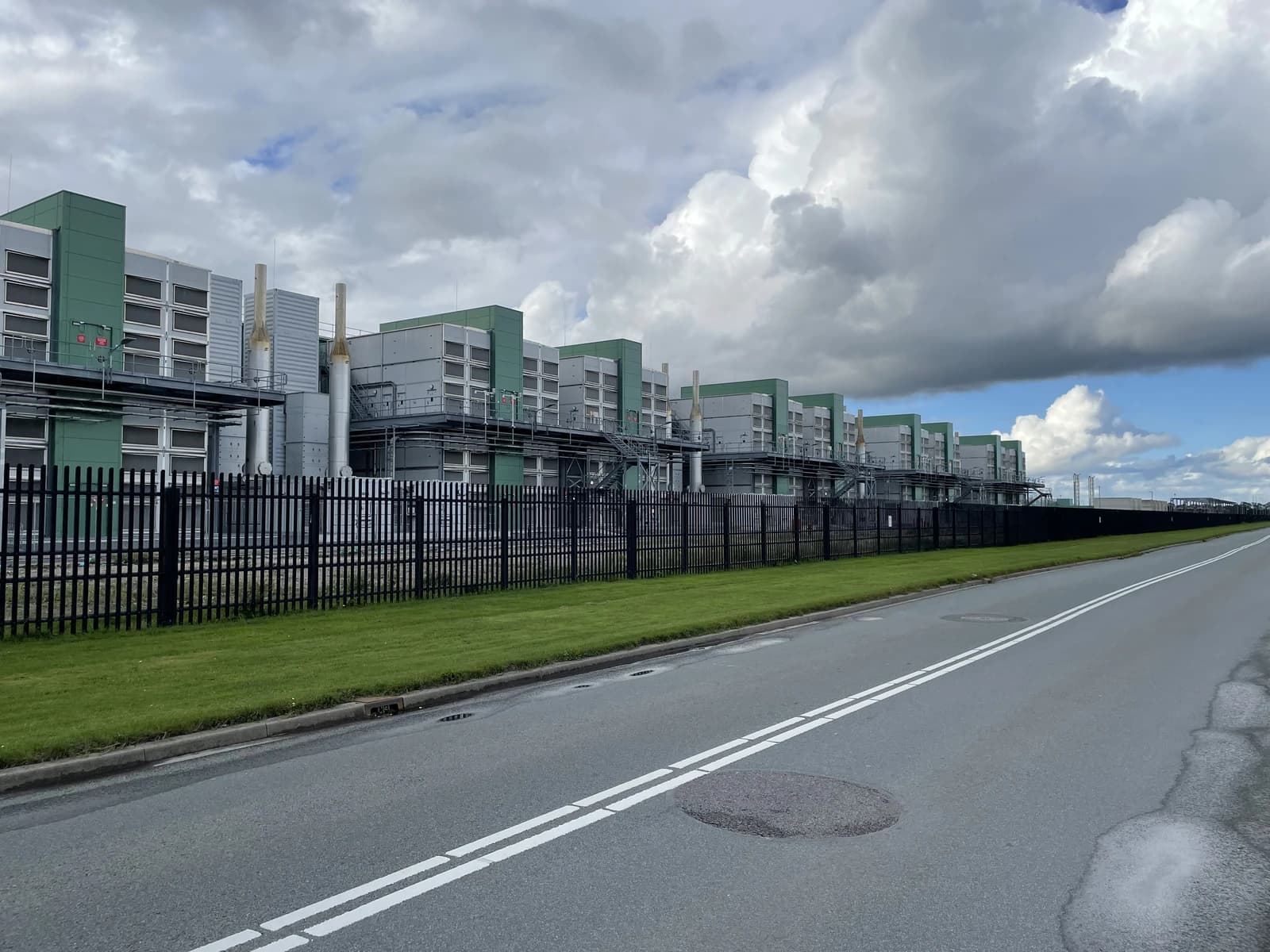
The project, announced by the U.S. Department of Energy and led by Brookfield Asset Management and NextEra Energy, would turn the long-dormant Paducah site into the Paducah American Energy Hub, pairing a 1.8-gigawatt AI and high-performance computing campus with 2 gigawatts of natural gas-fired generation and 2.6 gigawatts of battery storage. The phased buildout is targeted for 2032 and is expected to create about 8,000 construction jobs and 600 permanent jobs.
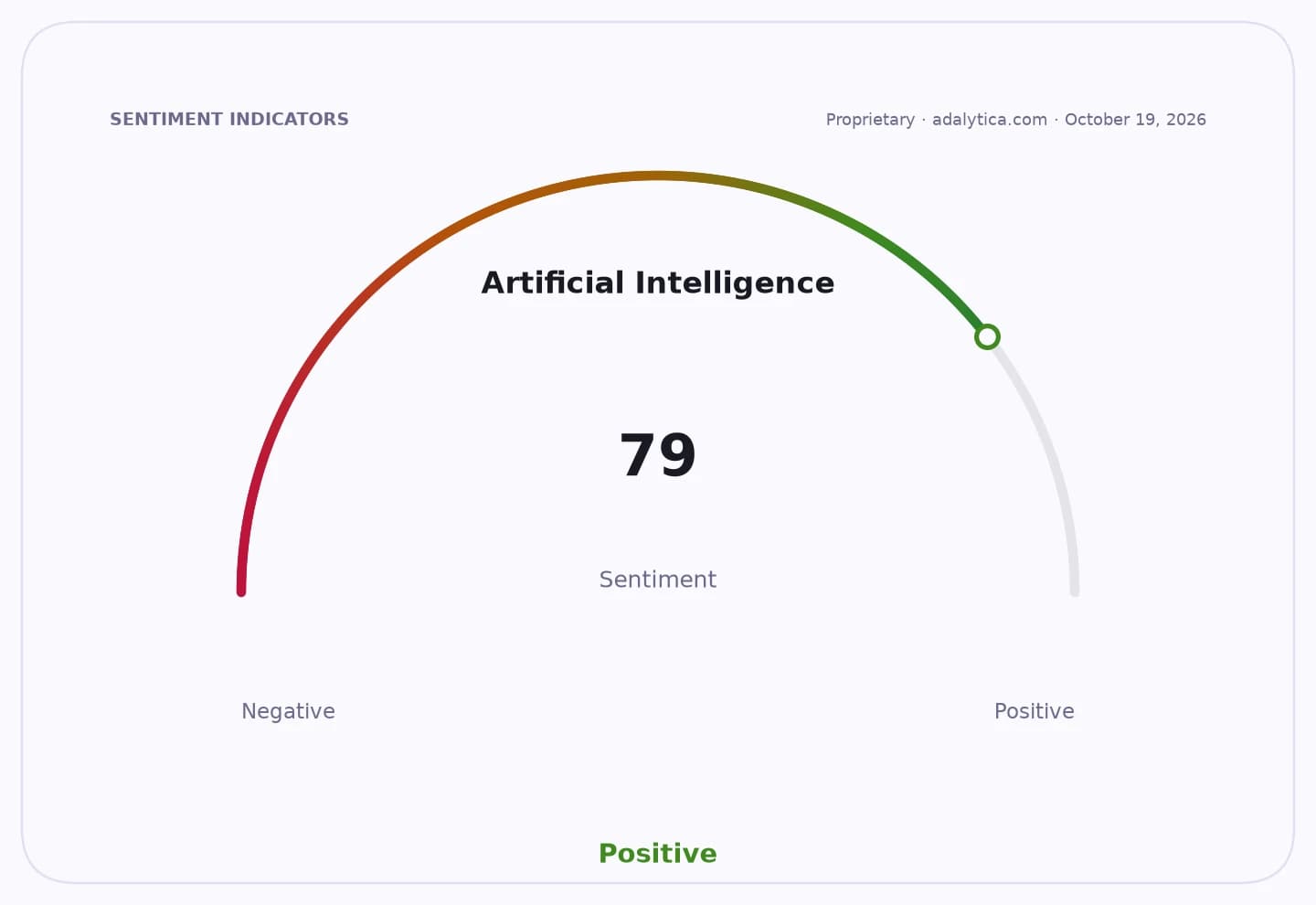
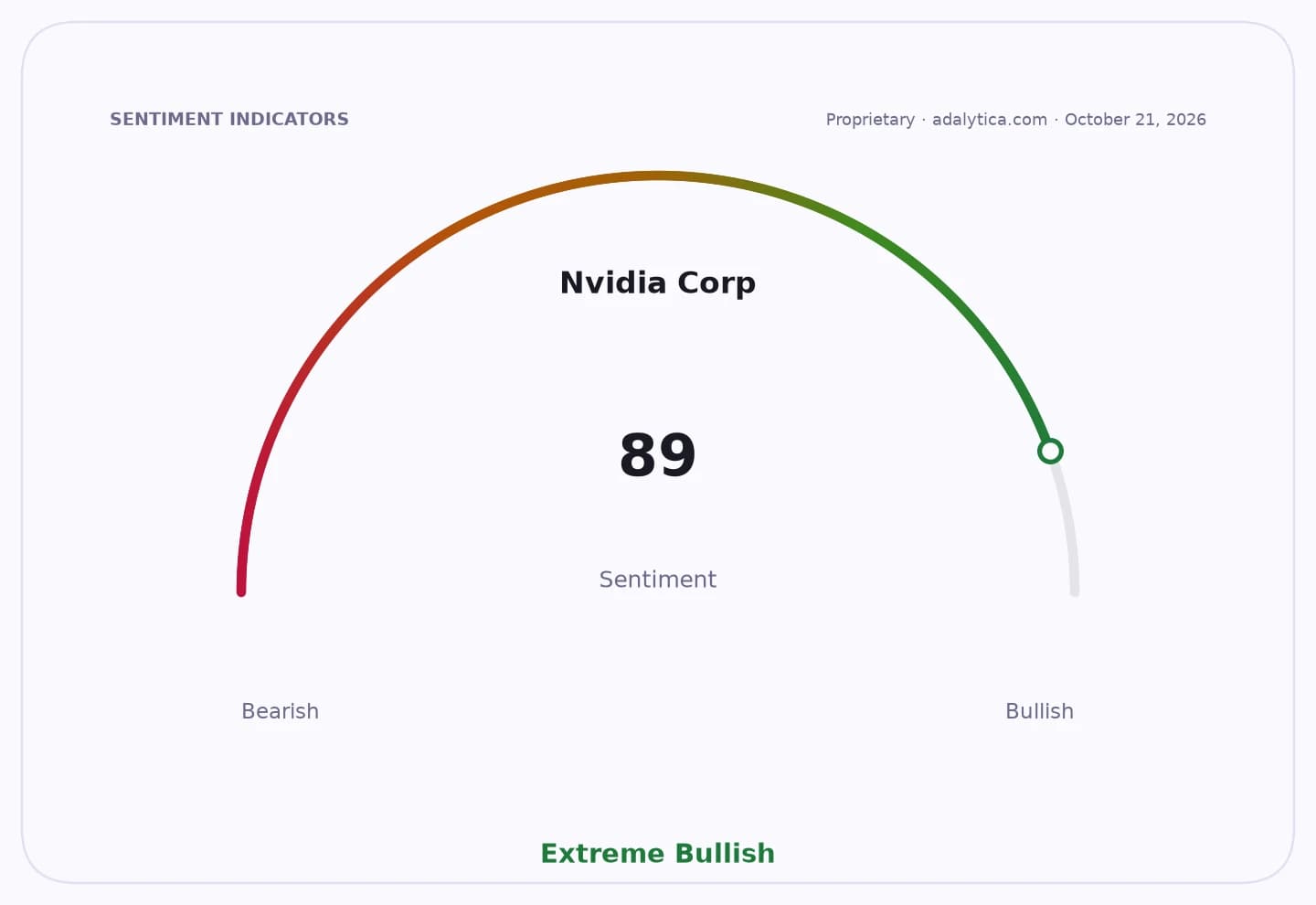
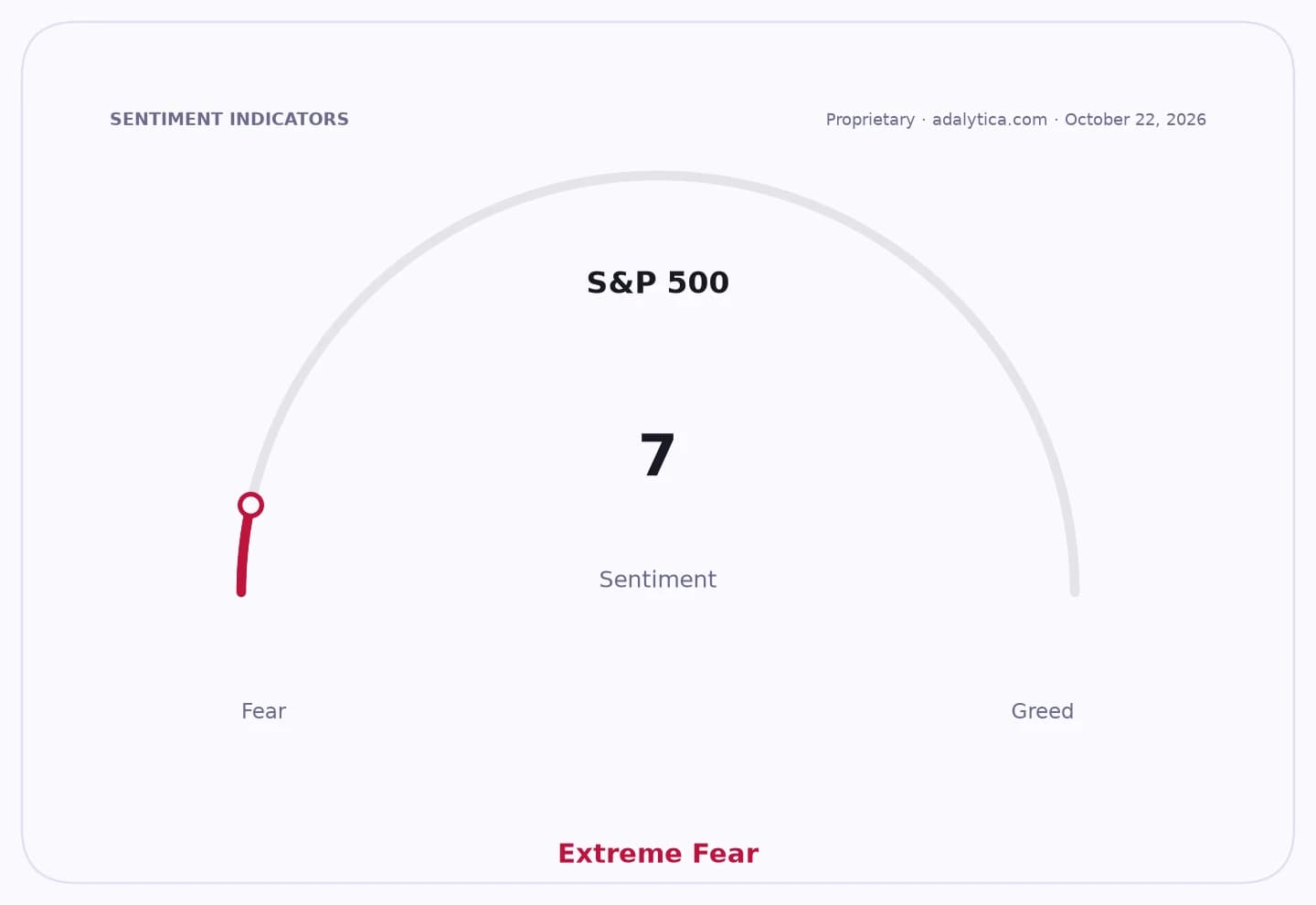
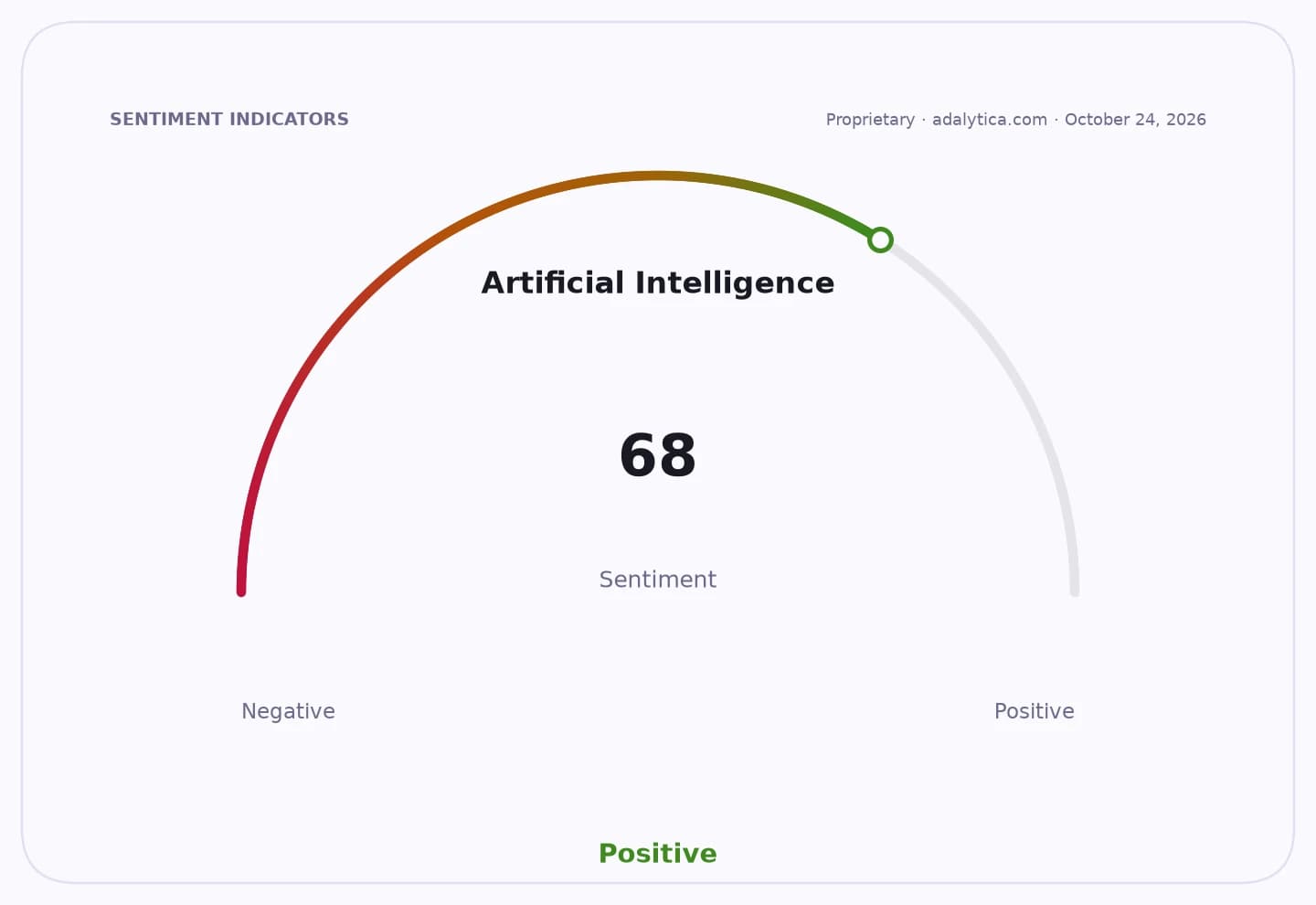
Sentiment IndicatorsⓘProprietary · adalytica.com · October 24, 2026
This is a snapshot — live sentiment, awareness and momentum for 130+ markets update continuously in the dashboard.Open AlphaPulse
Economically, the project is significant because it links two of the hardest constraints on AI expansion: power and permitting. Data centers for frontier AI models are no longer limited by chips alone. They now require utility-scale electricity, transmission access and reliable water and cooling systems. By siting the campus on a former Cold War nuclear facility and pairing it with dedicated generation, the developers are trying to avoid the kind of local backlash and ratepayer concerns that have slowed other hyperscale projects across the U.S. and abroad.
That matters for investors because the AI buildout is increasingly being judged less by headline ambition than by financing structure and execution risk. Banks and investors have grown cautious toward projects dependent on a single tenant or a narrow group of customers after trouble syndicating debt tied to the Stargate AI venture and after Oracle-related data center financing faced setbacks. OpenAI has also paused work on its planned UK facility, while other projects have stalled over land-use permits and electricity costs. The Kentucky hub is meant to show that the next wave of AI infrastructure can be anchored by industrial power assets, not just speculative cloud demand.
Brookfield is emerging as one of the most direct beneficiaries of that shift. The company has been building a larger footprint in digital infrastructure, and a project of this scale reinforces the case that investors are willing to back firms with land, power and project-finance expertise rather than pure software exposure. NextEra, meanwhile, gains a new avenue to monetize its generation and storage capabilities at a time when utilities and independent power producers are being pulled into the AI supply chain.
The market reaction has been more mixed. Brookfield’s stock has remained technically firmer than earlier in the year, but NextEra’s shares have been volatile even as they hold above key moving averages. For both companies, the longer-term question is whether the economics justify the capital intensity. A 2032 target leaves ample room for cost inflation, regulatory changes and shifts in AI demand. The bull case is that power scarcity makes these assets strategically valuable; the bear case is that the industry is still building ahead of proven monetization.
The project also highlights a broader policy and industrial strategy. The U.S. is trying to keep the most energy-intensive layer of AI infrastructure onshore, while using former industrial sites to reduce land-use conflict. The design aims to recycle water and feed excess power back into the regional grid, addressing two of the biggest objections to new data centers: utility bills and resource consumption.
For investors, the key catalyst will be whether Paducah moves from announcement to construction without the debt, permitting and community resistance that have slowed rival projects. If it does, it could become a template for the next generation of AI campuses. If it doesn’t, it will reinforce a growing market view that the AI infrastructure boom is running into the hard limits of capital, power and public tolerance.
| Entity | Gains | Losses |
|---|---|---|
| Brookfield Asset Management | ▲Digital infrastructure scale | ▼Execution and financing risk |
| NextEra Energy | ▲Gas and storage demand | ▼Capital intensity, regulatory scrutiny |
| Kentucky / Paducah region | ▲Jobs, investment | ▼Local infrastructure strain |
| AI data center rivals | ▲Template for power-backed buildout | ▼Slower permitting and tougher financing |