Mozambique is moving to build its own oil and gas leadership pipeline by training young citizens in the United Arab Emirates, a step that could reduce reliance on foreign executives in the country’s fast-growing energy projects and keep more of the sector’s value at home.
Mozambique Trains Oil and Gas Managers in UAE
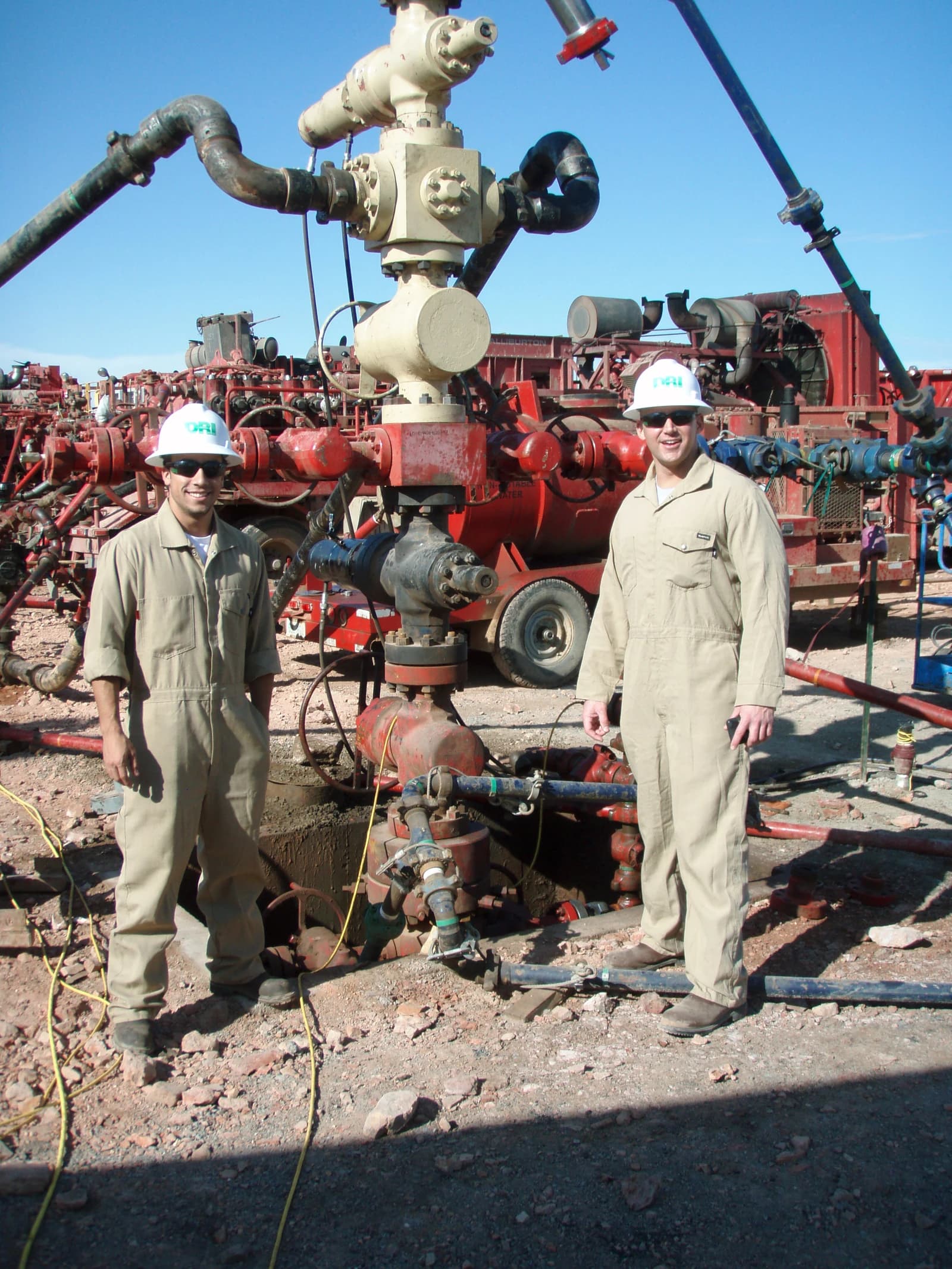
President Daniel Chapo said in Abu Dhabi that the government wants Mozambicans to take over management roles in major energy developments within five years, using Emirati training capacity to prepare local staff for senior jobs in gas and oil. He said the long-term goal is to replace foreign managers gradually, from the top of project hierarchies down through technical and operational posts.
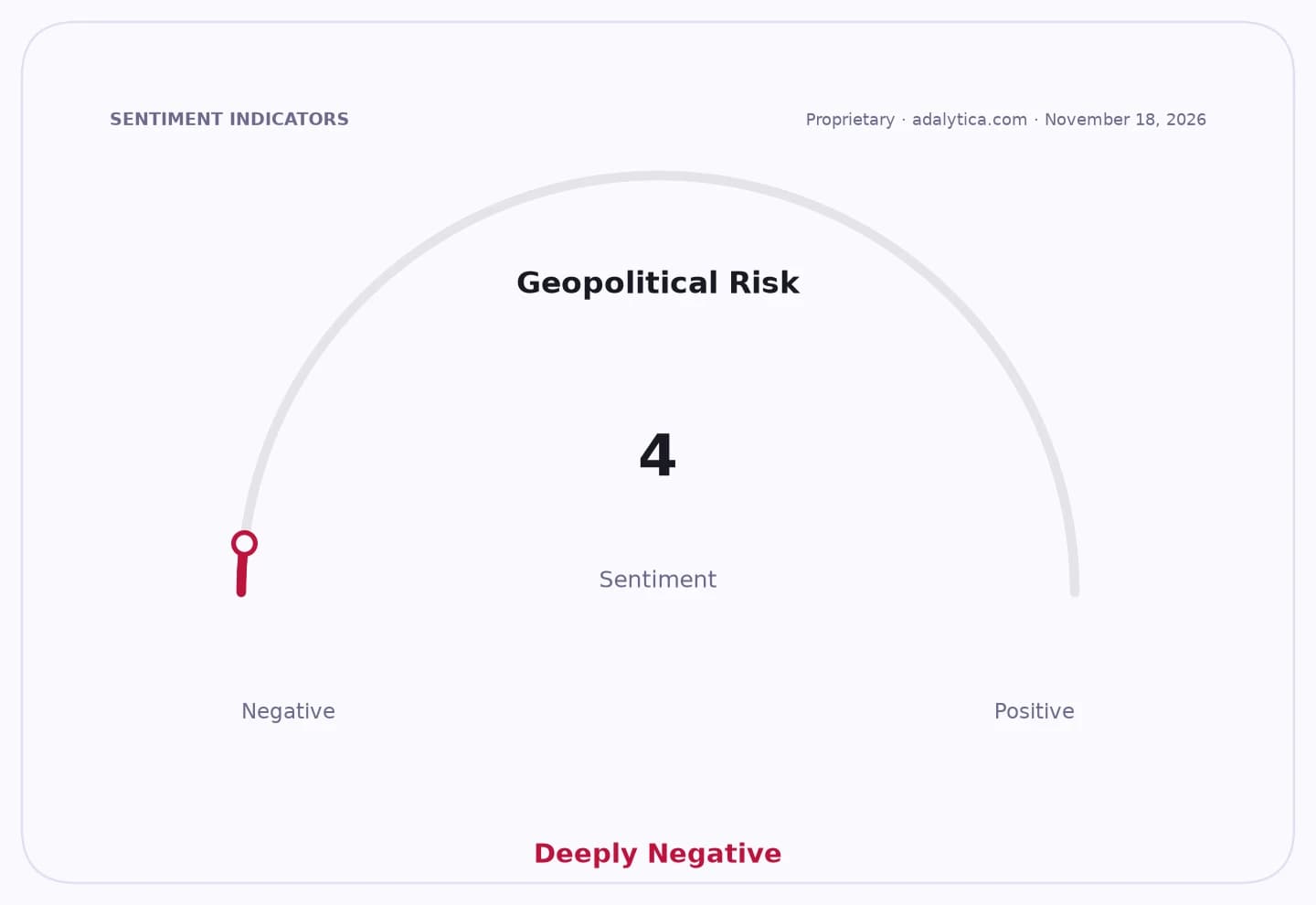
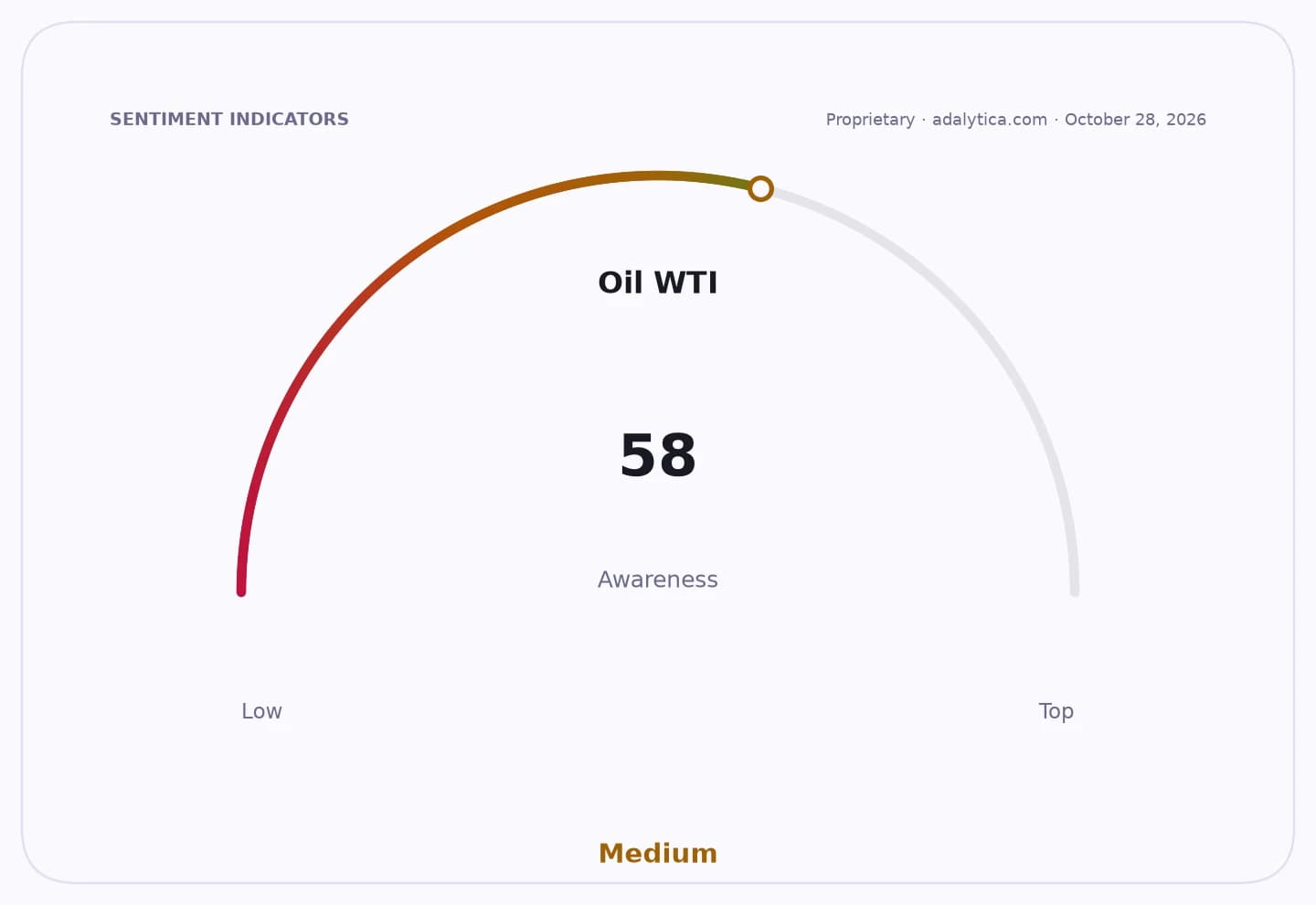
Sentiment Indicators
The plan matters because Mozambique is trying to convert gas wealth into durable economic capacity, not just export revenue. Building domestic management skills can improve local participation, strengthen state oversight and increase the share of wages and procurement that stays in-country as multibillion-dollar energy projects advance.
For investors in Mozambique’s energy chain, the move points to a more localized operating environment over time. Oilfield service groups, developers and partners including Exxon Mobil, Chevron and ConocoPhillips all face pressure across emerging markets to show workforce development, local content and smoother permitting, and a deeper Mozambican talent pool could lower execution risk if projects scale as planned.
The announcement also underscores the geopolitical value of Abu Dhabi as a training and investment partner for resource-rich African states. Chapo said the United Arab Emirates is seen as a global reference point in gas and oil skills development, and the two governments are already discussing broader cooperation as Mozambique seeks to professionalize a sector central to future growth.
Oil prices around $87 a barrel also keep the broader energy backdrop supportive, while conventional market indicators on Exxon, Chevron and ConocoPhillips remain stronger over longer time frames despite recent pullbacks. The next test for Mozambique’s strategy is whether the training pipeline produces enough qualified mid-level and senior managers fast enough to match the pace of project development.
| Entity | Gains | Losses |
|---|---|---|
| Mozambique government | ▲Local expertise, stronger control | ▼Dependence on foreign managers |
| Young Mozambican workers | ▲Training, senior job prospects | ▼Slow access to top roles |
| UAE training partners | ▲Influence, partnerships | ▼None material |
| Foreign project operators | ▲Better local staffing pipeline | ▼Pressure to localize management |