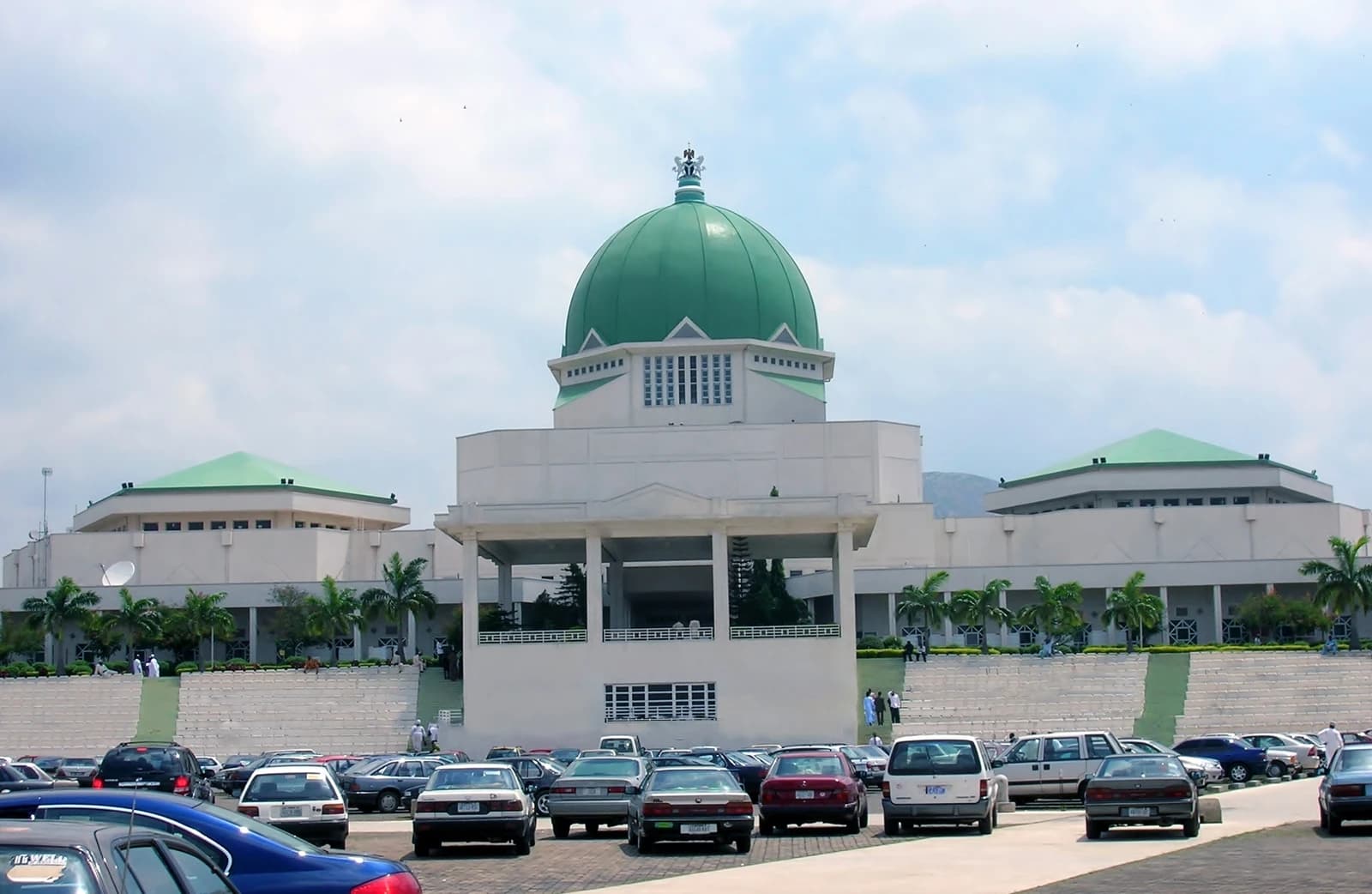
Nigeria’s Petroleum Ministry has begun building a framework to assess the country’s oil and gas infrastructure, a move that could shape where scarce capital goes next in a sector weighed down by aging assets, unreliable output and the need to attract private investment.
Nigeria petroleum ministry builds oil infrastructure framework
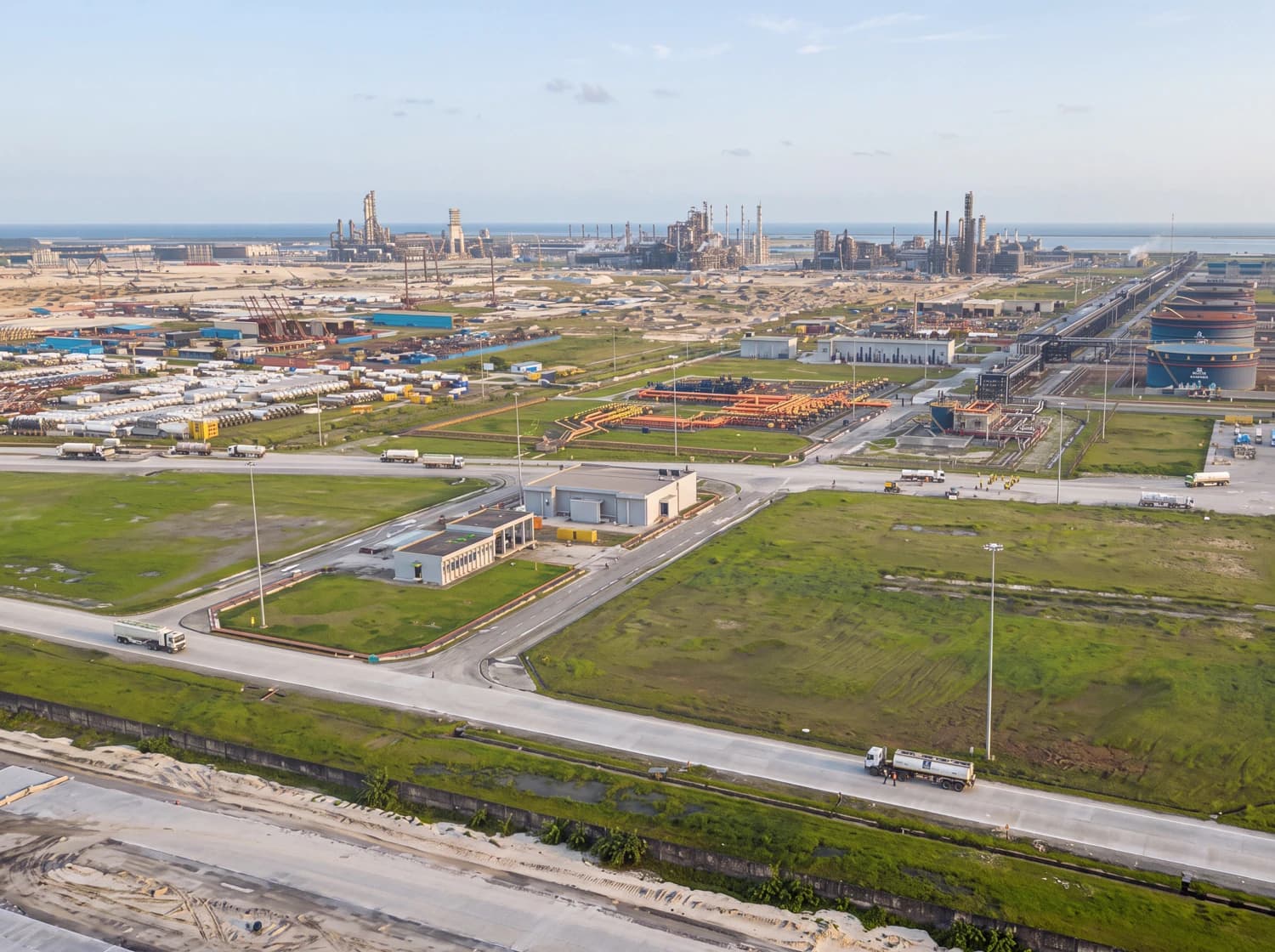
The ministry said the proposed feasibility study and modelling framework is meant to identify investment opportunities, guide rehabilitation and expansion of critical facilities and support policy decisions across the upstream, midstream and downstream value chain. That matters because infrastructure bottlenecks have long constrained Nigeria’s ability to turn hydrocarbons into dependable revenue, exports and domestic energy supply.
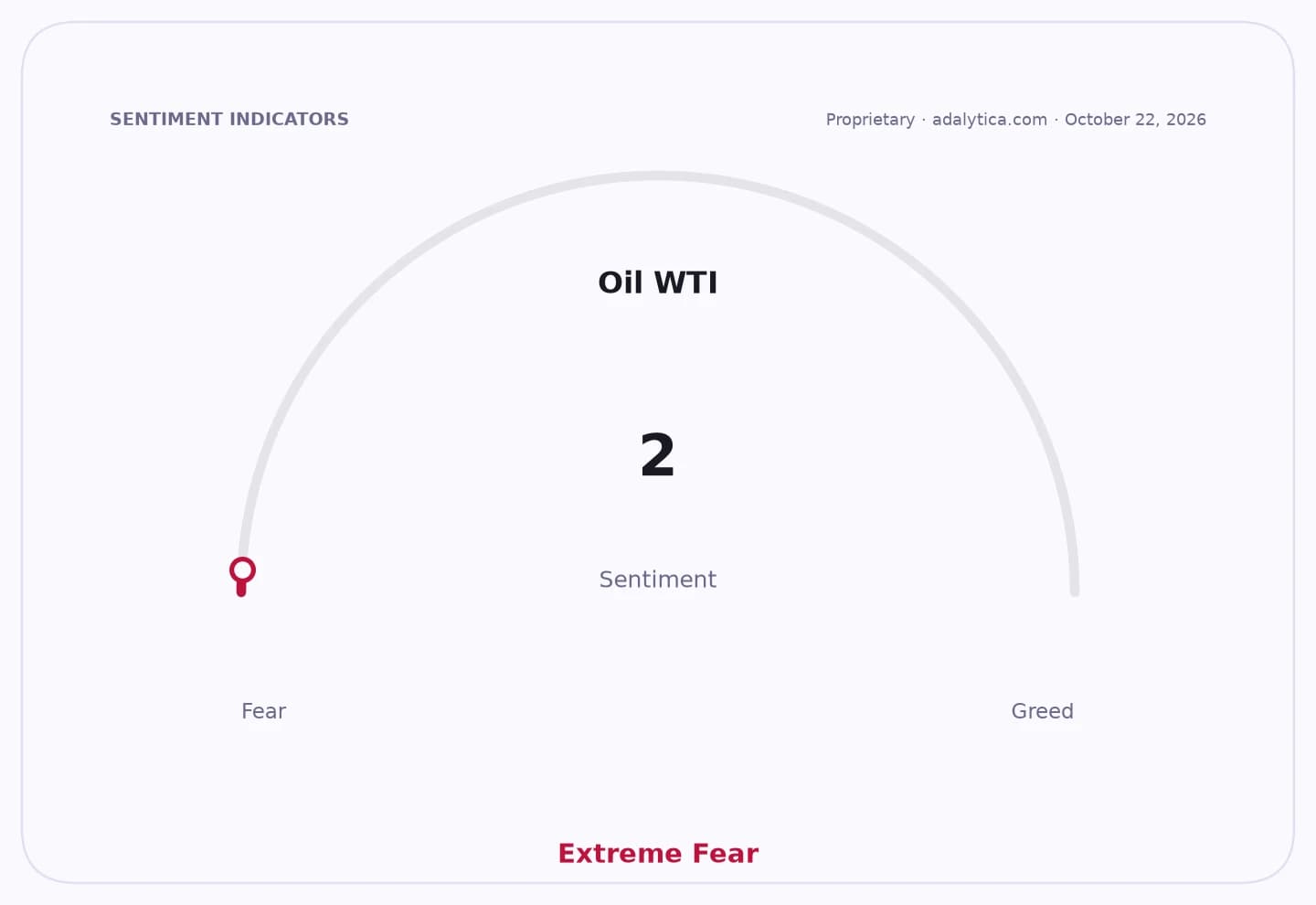
Sentiment Indicators
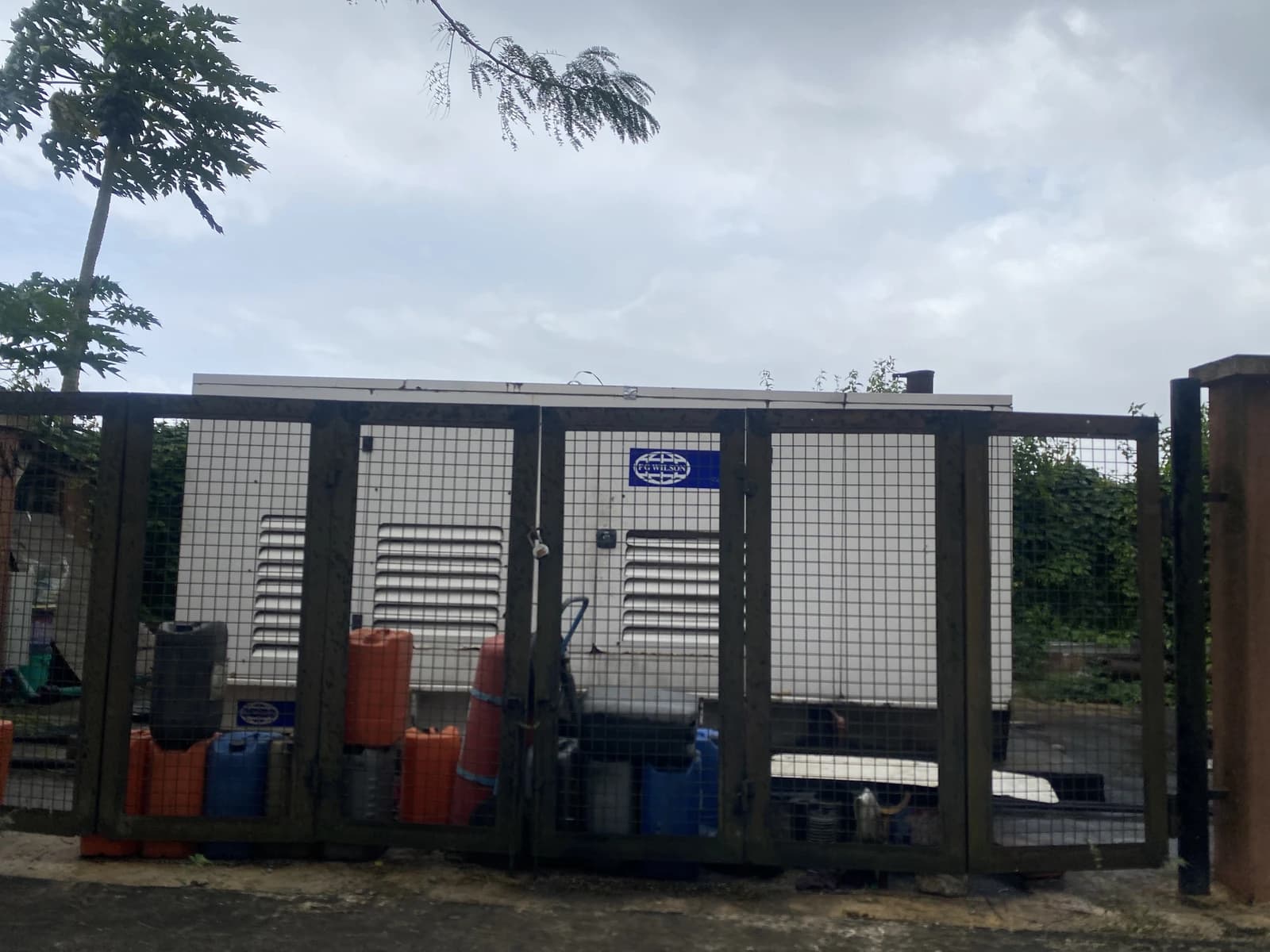
Officials said ageing equipment and facilities have been undermining asset performance and operational efficiency, making a structured national assessment “imperative.” For a producer economy still heavily reliant on oil receipts, the practical benefit is not just technical planning but the chance to prioritize projects that can lift throughput, reduce losses and improve the economics of existing fields, pipelines, terminals and processing plants.
The initiative also points to a broader policy shift: Nigeria is trying to move from ad hoc repairs toward a mapped pipeline of bankable projects. By identifying areas for private-sector participation, the government is signalling that it may lean more on capital providers and operators to fund upgrades rather than rely only on public budgets, which remain under pressure.
For investors, that is significant because the state’s ability to diagnose and rank infrastructure needs can improve visibility on potential deals in pipelines, storage, processing and other midstream assets. It could also reduce one of the biggest risks in frontier oil markets: committing capital without a clear picture of asset quality, rehabilitation costs or regulatory priorities.
The timing is also relevant. Global oil prices remain elevated by historical standards, with Brent around the high-$80s to low-$90s a barrel in recent trading and U.S. yields near 5.1%, keeping financing conditions restrictive even as energy companies continue to spend on core hydrocarbon assets. In that environment, projects that can quickly improve reliability and returns tend to get preference over long-dated greenfield bets.
Nigeria’s effort comes against a backdrop of fragile global oil infrastructure, from regional pipeline disruptions to geopolitical strain across supply routes. That underscores why asset integrity, transport capacity and export reliability are becoming increasingly central to energy security discussions, not just in Nigeria but across producing economies.
For now, the ministry’s exercise is a planning step rather than a spending commitment. But if it produces a credible investment map, it could become a catalyst for rehabilitation work, private capital inflows and a more disciplined approach to managing one of Africa’s most important hydrocarbon systems.
| Entity | Gains | Losses |
|---|---|---|
| Nigeria government | ▲Better project prioritization | ▼Less room for ad hoc spending |
| Private investors | ▲Clearer asset pipeline | ▼Higher scrutiny on returns |
| Oil and gas operators | ▲Potential rehab opportunities | ▼More regulatory oversight |
| Consumers and exporters | ▲Improved supply reliability | ▼Delays if reforms stall |