Nigeria’s worsening electricity shortage is increasingly a question of where the bottleneck really sits, and the answer matters for the economy, utilities and investors. The Nigerian National Petroleum Company says its gas transport network is not the problem, pushing back against claims that limited gas deliveries are driving lower generation.
Nigeria NNPC Denies Gas Pipeline Bottleneck
That distinction is important because gas-fired plants provide a large share of Nigeria’s grid power. If the constraint is gas availability or delivery, then the fix points to upstream production, pipeline reliability and commercial settlement. If the issue sits elsewhere, such as plant maintenance, unit availability or hydro output, then throwing more gas at the system will not solve the outages households and businesses are enduring.
Sentiment Indicators
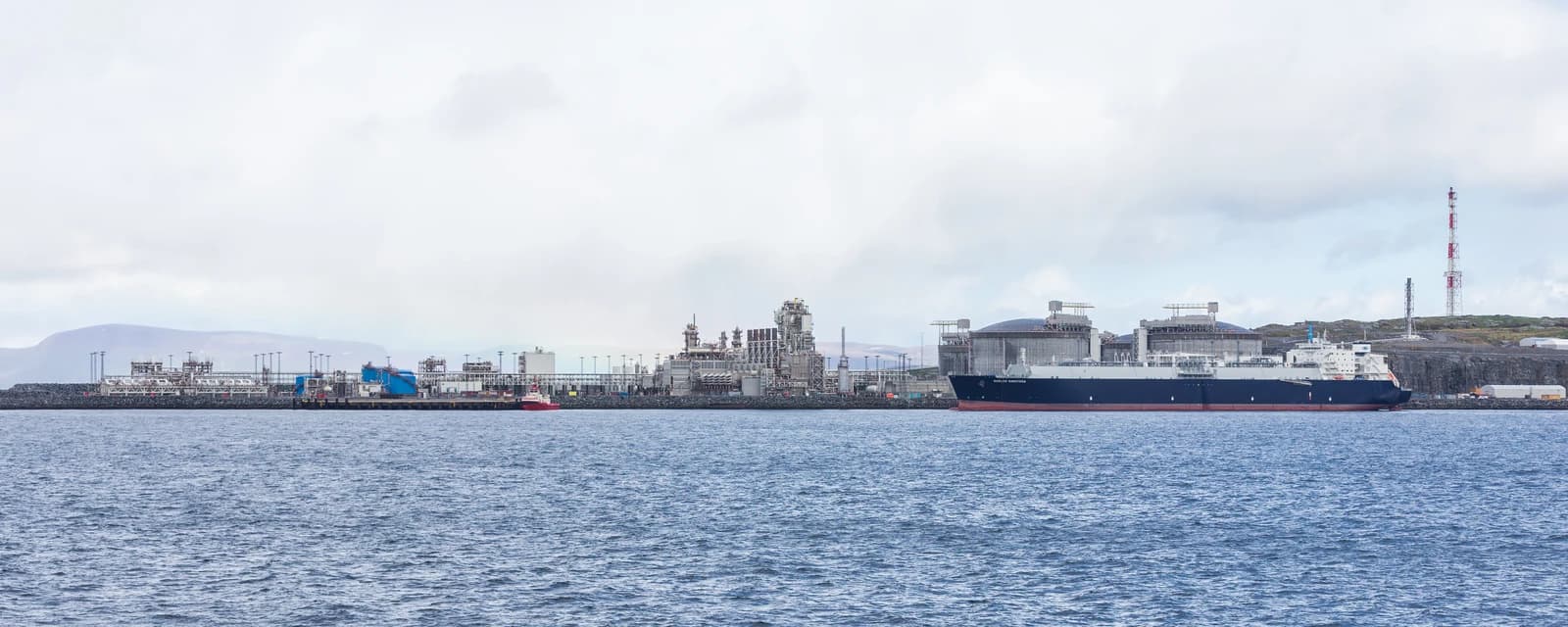
NNPC said its pipelines, operated by NNPC Gas Infrastructure Company, remain available to supply power plants nationwide and that its records show no transportation-related constraints that would explain the current drop in generation. The company also said gas production has risen by about 10% year to date in 2026 as it pursues the government’s gas development and monetisation agenda.
The statement came after the Nigerian Independent System Operator said the decline in power generation was linked in part to limited gas availability and reduced water inflows to hydropower stations. NNPC disagreed with that framing, arguing that gas production, commercial supply deals and actual deliveries to each plant should be assessed separately from the condition of the transport network.
For investors, the split matters because Nigeria’s power sector has long suffered from a chain of failures rather than a single one. Even when fuel is available, generation can still be held back by plant maintenance, weak grid coordination and underperforming equipment. That means earnings recovery for power-linked assets, energy infrastructure projects and industrial users depends less on one headline fix than on a broader operational turnaround.
The company’s call for a coordinated review with suppliers, transporters, generators and the system operator is sensible, but it also underscores how fragmented accountability remains in Nigeria’s electricity market. Until the sector can pin down where gas is being lost, delayed or left unused, the country will keep cycling through the same shortages.
For long-term investors, the takeaway is straightforward: Nigeria’s power challenge is still a systems story, not just a supply story. Any company that can help improve gas monetisation, pipeline efficiency, grid stability or distributed power should stay on the watchlist, because reliable electricity is what eventually unlocks industrial growth, consumer spending and better returns across the economy.
| Entity | Gains | Losses |
|---|---|---|
| NNPC | ▲Defends reputation | ▼Faces accountability pressure |
| Power plants | ▲Clearer attribution | ▼Still face supply gaps |
| Nigerian households and firms | ▲Better diagnosis of outage causes | ▼Continued unreliable electricity |
| Gas infrastructure investors | ▲Potential validation of pipeline assets | ▼Delayed sector confidence |