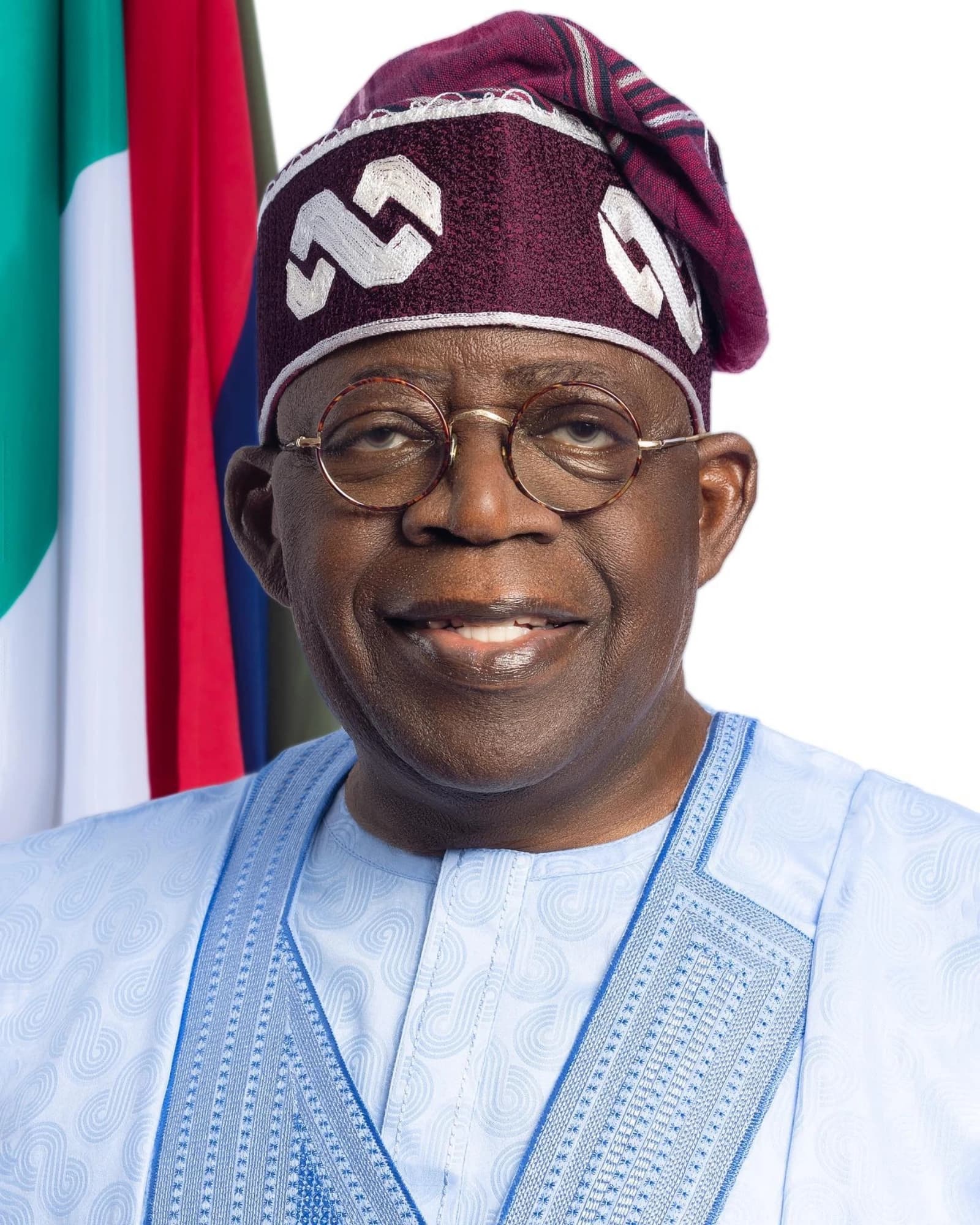
President Bola Tinubu is under renewed political fire over Nigeria’s economy and security, with former vice-presidential adviser Hakeem Baba-Ahmed saying the administration has not delivered relief on living costs, road safety or access to education in areas hit by banditry.
Nigeria Tinubu Faces Criticism Over Economy and Security
The criticism matters because it goes to the core of Tinubu’s governing case: that painful reforms would eventually restore macroeconomic stability and improve daily life. Instead, Baba-Ahmed says millions of children in insecure areas still cannot attend school, roads remain dangerous and the cost of living is still squeezing households, blunting the political payoff from higher oil revenue and policy changes.
Sentiment Indicators
His comments on Channels Television also highlight the widening gap between official economic statistics and public sentiment. Nigeria has been trying to project a recovery narrative after subsidy cuts and other reforms, but the broader backdrop remains fragile, with inflation, weak purchasing power and insecurity weighing on consumption, investment and mobility. Adalytica’s Global Stability Sentiment gauge is neutral at 61, but its awareness reading sits in fear territory at 18, underscoring how security risk continues to dominate perceptions even when policy momentum improves.
For investors, that split matters. A government that can claim progress on macro stabilization but not on security or living standards faces a tougher path to durable consumer demand, private-sector confidence and capital formation. In practical terms, persistent insecurity raises logistics costs, disrupts school attendance and labour participation, and keeps a drag on northern Nigeria’s economic potential, while also complicating infrastructure delivery on key corridors such as the Abuja-Kaduna highway.
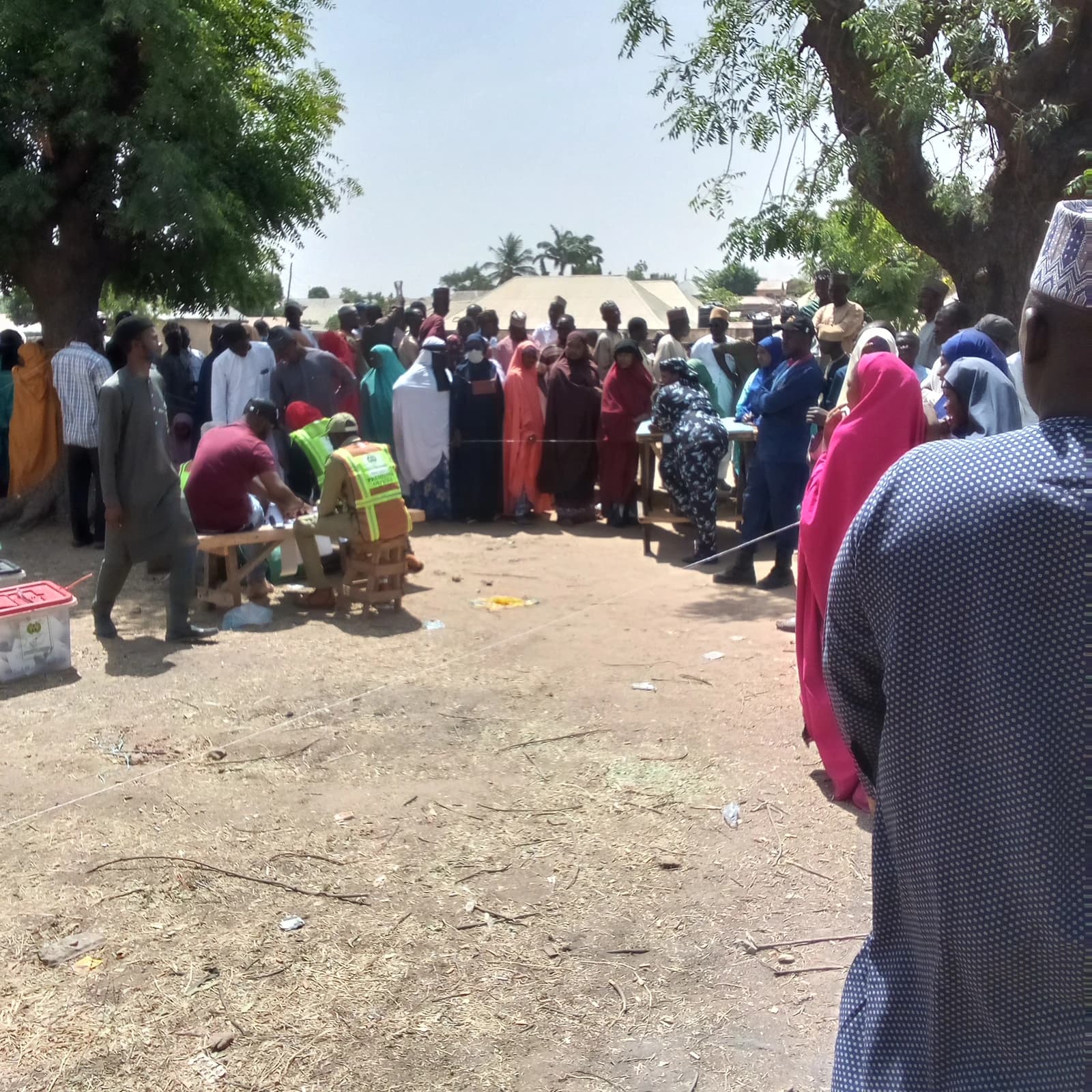
Baba-Ahmed, who once served as an aide to Vice President Kashim Shettima and as INEC secretary, extended the critique into the 2027 election cycle, warning that insecurity could limit voter turnout and that weak election management could deepen mistrust. That adds a political-risk layer to an already difficult policy environment: even if reform momentum continues, implementation, communication and election credibility will shape how much of the economic recovery translates into voter support.
The bull case for Tinubu remains that reform pain is temporary and that higher oil receipts, subsidy savings and a focus on non-oil growth can eventually strengthen the fiscal position. The bear case, which Baba-Ahmed is amplifying, is that growth without visible safety, food-price relief and reliable public services may not be politically sustainable — or economically inclusive enough to prevent another cycle of disillusionment.
| Entity | Gains | Losses |
|---|---|---|
| Tinubu administration | ▲Reform credibility if recovery holds | ▼Political support if hardship persists |
| Nigerian households | ▲Potential longer-term stabilization | ▼Higher living costs, insecurity |
| Investors | ▲Reform-led macro discipline | ▼Delayed demand recovery, policy risk |
| Opposition figures like Baba-Ahmed | ▲Political traction | ▼Little downside if government falters |