Nigeria’s parliament has opened an inquiry into a string of prolonged gas seepage and oil spills in the Niger Delta, turning a local environmental emergency into a test of regulatory enforcement and the credibility of the country’s oil governance.
Nigeria Parliament Opens Niger Delta Spill Inquiry
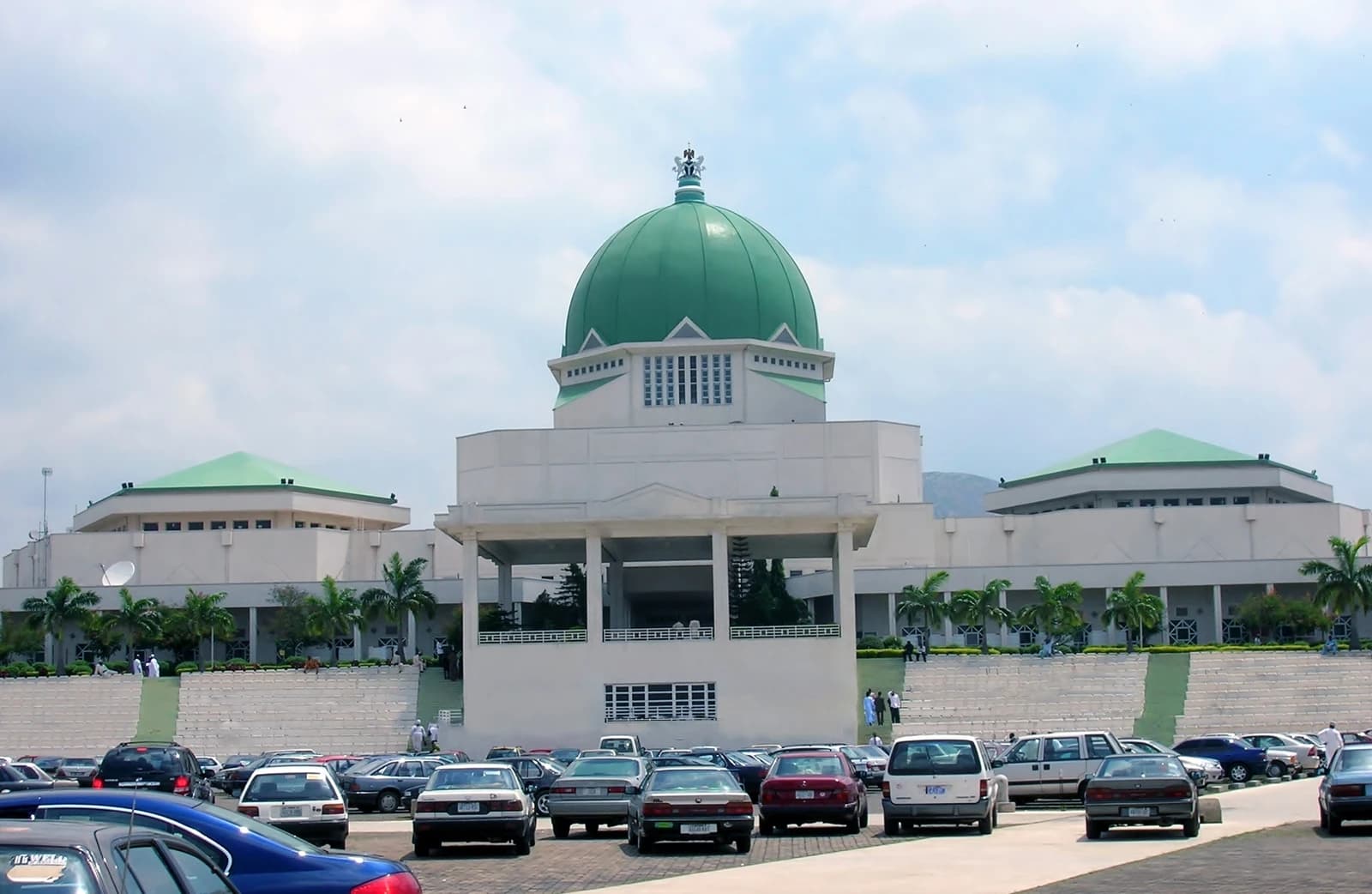
The House of Representatives committee on South-South development said on Thursday it would examine the nearly year-long gas seepage in Bille, Rivers State, and spills in Delta State communities including Odidi, Ogulagha and Odimodi, with oil companies, regulators and ministers asked to explain what caused the incidents, how far containment and cleanup have progressed and why remediation has been slow.
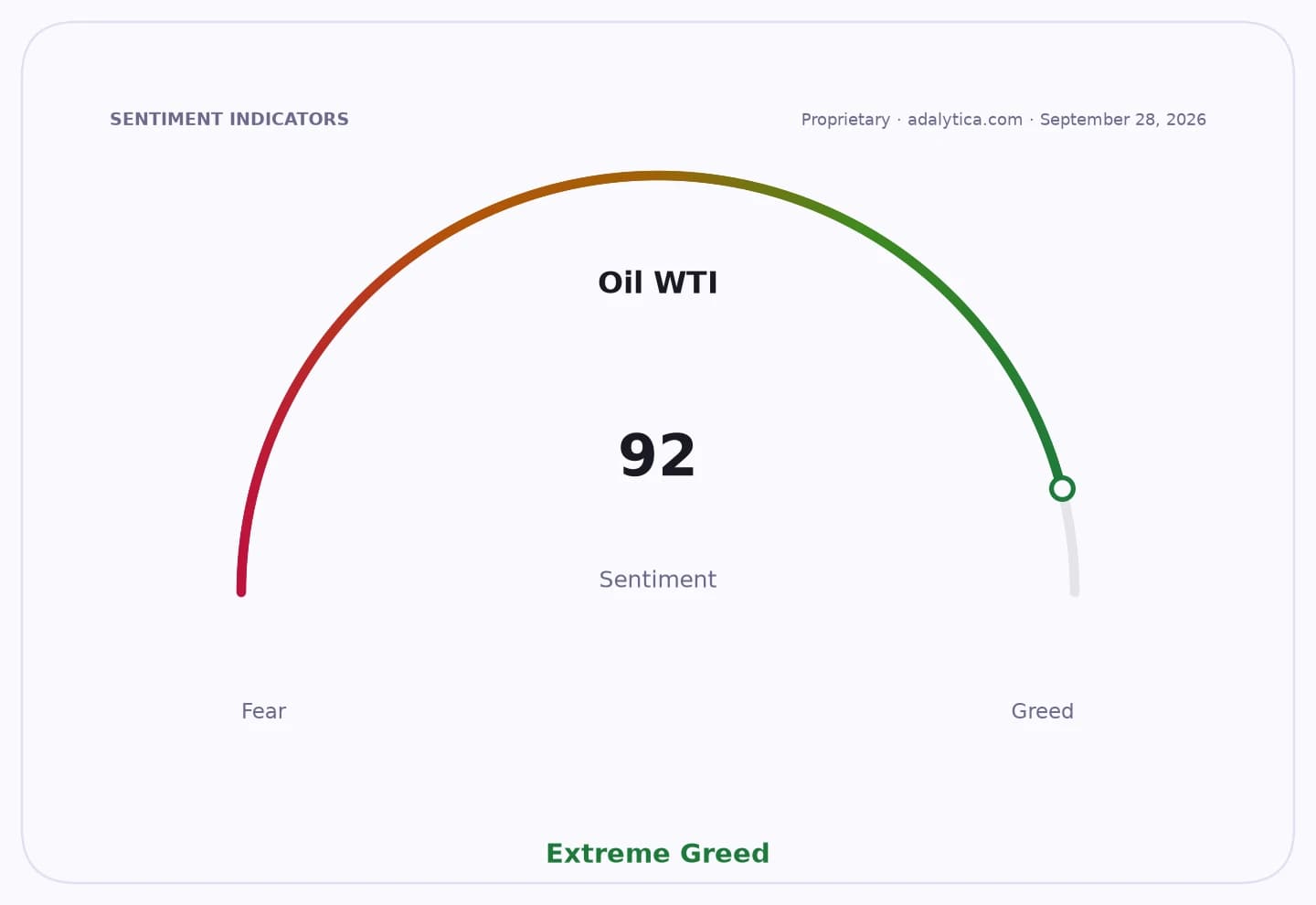
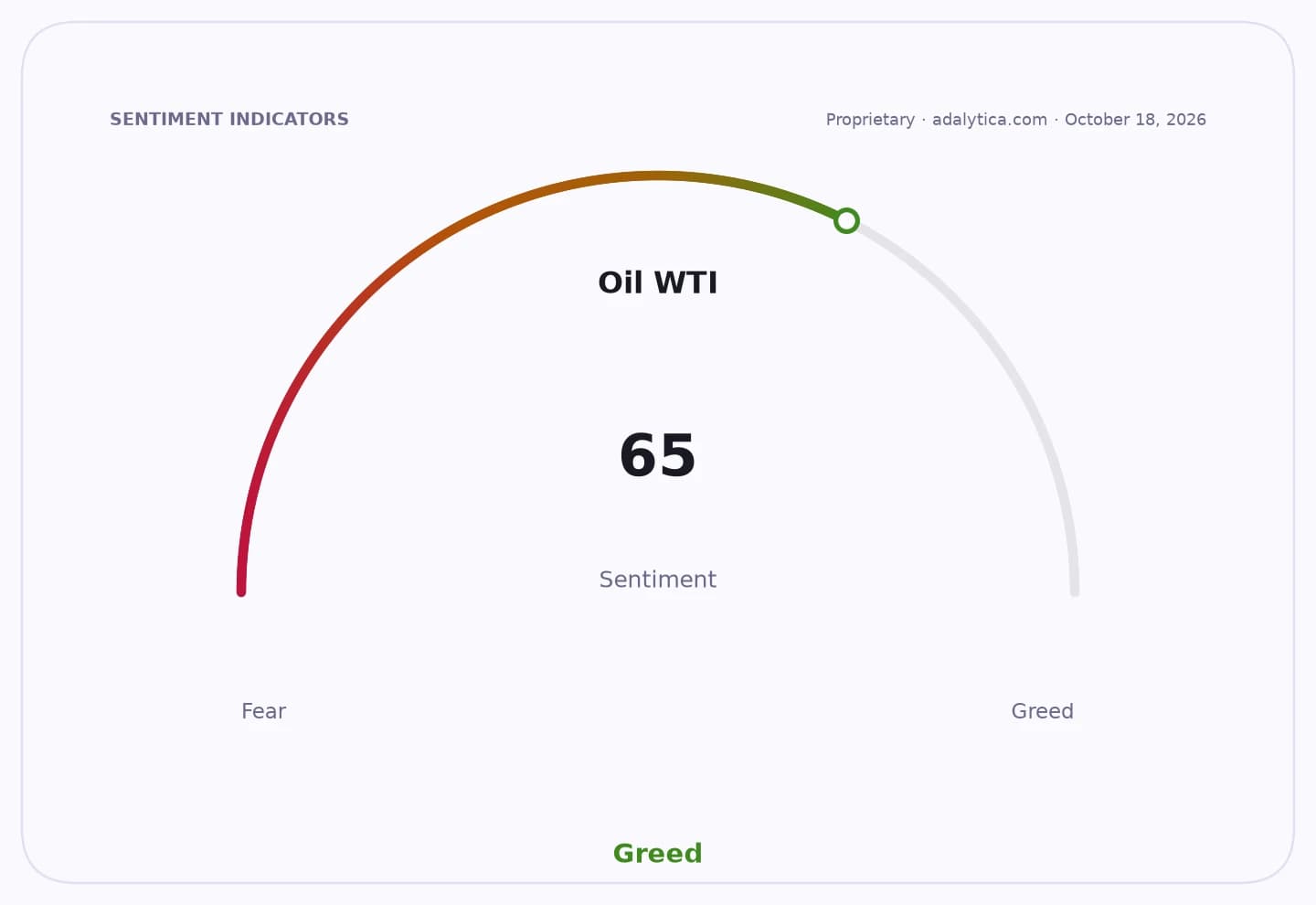
Sentiment Indicators
The scale of the damage is what makes the hearing economically important. The committee said the Odidi spill is reported to have affected more than 200 communities, with consequences for waterways, fishing and farming — the local industries that still support much of the Niger Delta economy. In a region where oil production coexists with subsistence livelihoods, prolonged pollution translates quickly into lost income, food insecurity and higher social costs for the state.
The investigation also puts renewed scrutiny on operators including Heritage Energy Operational Services and Chevron Nigeria, as well as the Nigerian Upstream Petroleum Regulatory Commission and NOSDRA, whose response capacity has long been questioned by host communities and investors alike. For international oil companies, repeated spill incidents in Nigeria add to operational and reputational risk, and can delay production, raise compliance costs and complicate capital allocation decisions in one of Africa’s most important but legally fraught oil provinces.
For investors, the hearing matters because Nigeria’s upstream sector is already under pressure from theft, aging infrastructure and community unrest. Those risks have weighed on output stability and kept the country from fully capturing the benefit of firmer crude prices. Any perception that remediation is weak or regulation is uneven can make the operating environment more expensive for producers and more uncertain for shareholders, particularly in assets tied to onshore and shallow-water operations.
There is a broader policy angle as well. Lawmakers are effectively asking whether Nigeria can protect oil revenue while also protecting the host communities that bear the environmental burden. If the inquiry produces enforceable timelines, verified cleanup and compensation, it could strengthen confidence in the sector’s governance. If it stalls, it will reinforce the view that spills remain a structural drag on Nigeria’s production outlook and a recurring liability for operators.
The committee said it may carry out field verification and further oversight visits, a sign that the matter could extend beyond a single hearing. For now, the key question for the oil industry is not only who caused the spills, but whether Nigeria can force a credible response fast enough to limit the economic damage.
| Entity | Gains | Losses |
|---|---|---|
| Affected Niger Delta communities | ▲More scrutiny and potential relief | ▼Environmental damage and lost livelihoods |
| Nigerian regulators and ministries | ▲Chance to show enforcement | ▼Credibility if cleanup remains slow |
| Oil companies in Nigeria | ▲Opportunity to clarify response | ▼Legal, reputational and operating risk |
| Investors in Nigerian upstream assets | ▲Better visibility on liabilities if action follows | ▼Higher uncertainty and compliance costs |