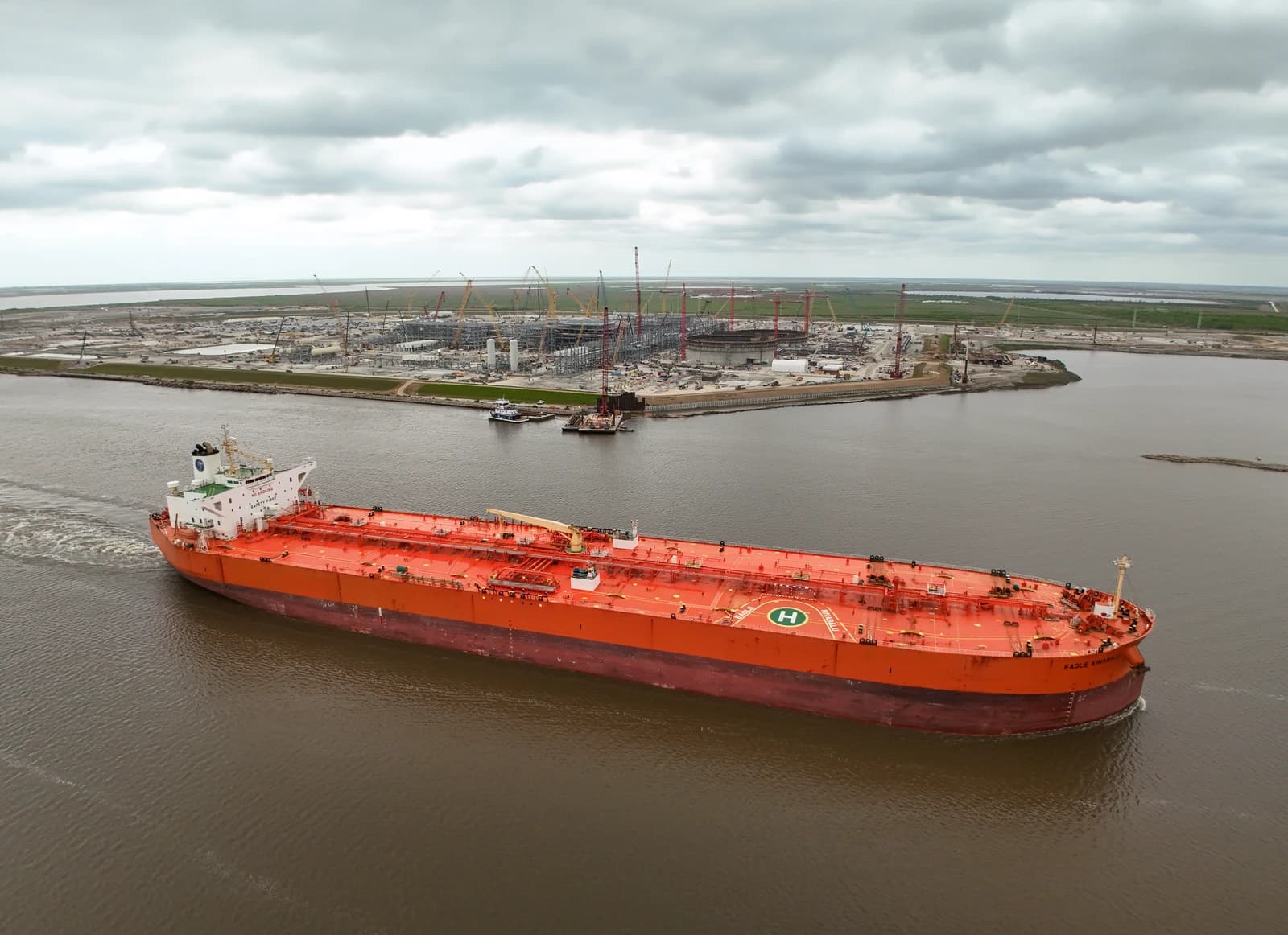
Imported petrol in Nigeria has become theoretically cheaper than fuel from Dangote Petroleum Refinery after a sharp drop in global crude prices cut estimated landing costs to about ₦1,072 a litre, or more than ₦227 below the refinery’s gantry price.
Nigeria petrol imports turn cheaper than Dangote
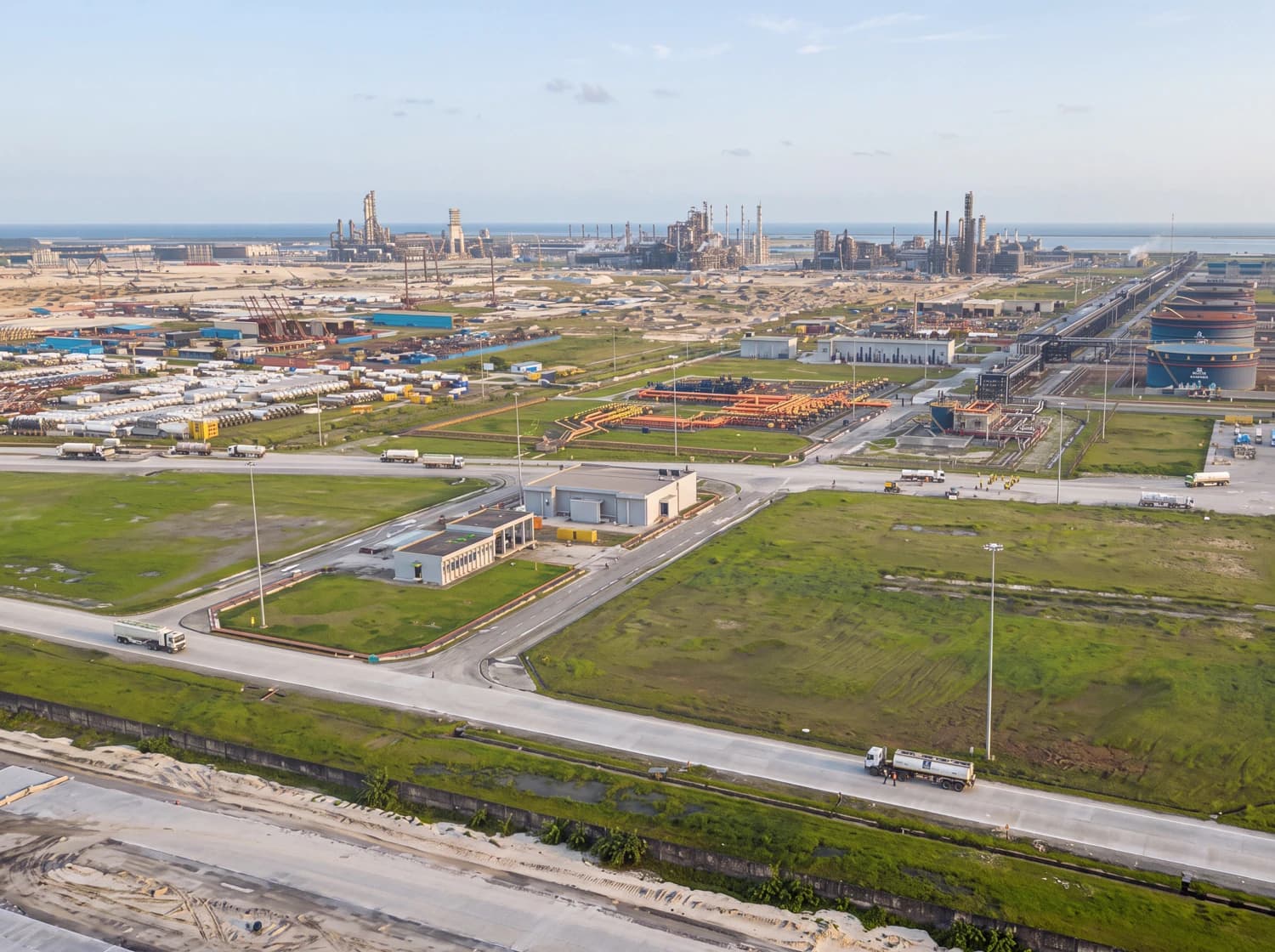
The gap matters because it could revive price competition in Nigeria’s downstream market, strengthen the hand of importers and depot operators, and put fresh pressure on Dangote’s pricing power just as motorists are looking for relief from high fuel costs.
Sentiment Indicators
Figures from the Major Energies Marketers Association of Nigeria showed the spot import parity price of Premium Motor Spirit fell to ₦1,072.72 per litre at ASPM Jetty and ₦1,071.72 at NPSC-NOJ Jetty in Apapa, Lagos, down from a 30-day average of ₦1,252.02. That implies a drop of roughly ₦179 to ₦180 per litre in less than a month.
By comparison, Dangote’s PMS gantry price stood at ₦1,300 per litre on Nov. 5, while its coastal price was ₦1,250. Imported petrol was therefore ₦227.28 cheaper than the gantry price and ₦177.28 below the coastal price at ASPM, with slightly wider gaps at NPSC-NOJ.
The move follows a sell-off in international oil markets on Nov. 4, when Brent crude fell about 8.1% to $95.21 a barrel and West Texas Intermediate dropped 8% to $88.40. Lower crude prices feed directly into import parity calculations, which also reflect freight, financing, foreign exchange and other charges.
Still, motorists should not expect an immediate drop at the pump. MEMAN said its estimate used a seven-day average exchange rate of ₦1,347.44 to the dollar, a 32% annual financing assumption and a 10-day shipping period, meaning the figures are indicative rather than actual selling prices. Cargo costs, depot pricing and distribution margins will determine how much of the savings reach consumers.
For investors, the key implication is that Nigeria’s fuel market may be entering another round of margin compression and pricing jockeying, with importers potentially able to undercut local supply if crude stays weak. That dynamic could reshape depot flows, squeeze retail spreads and test how quickly Dangote adjusts prices in response to import competition.
The next catalyst is whether international crude weakness persists and whether downstream marketers begin passing through the lower landing cost into depot and retail prices.
| Entity | Gains | Losses |
|---|---|---|
| Fuel importers | ▲Cheaper landing costs | ▼Less pricing pressure |
| Depot operators | ▲More supply competition | ▼Thinner spreads if cuts pass through |
| Dangote Refinery | ▲— | ▼Weaker pricing power |
| Nigerian motorists | ▲Potentially lower pump prices | ▼Delayed relief at stations |