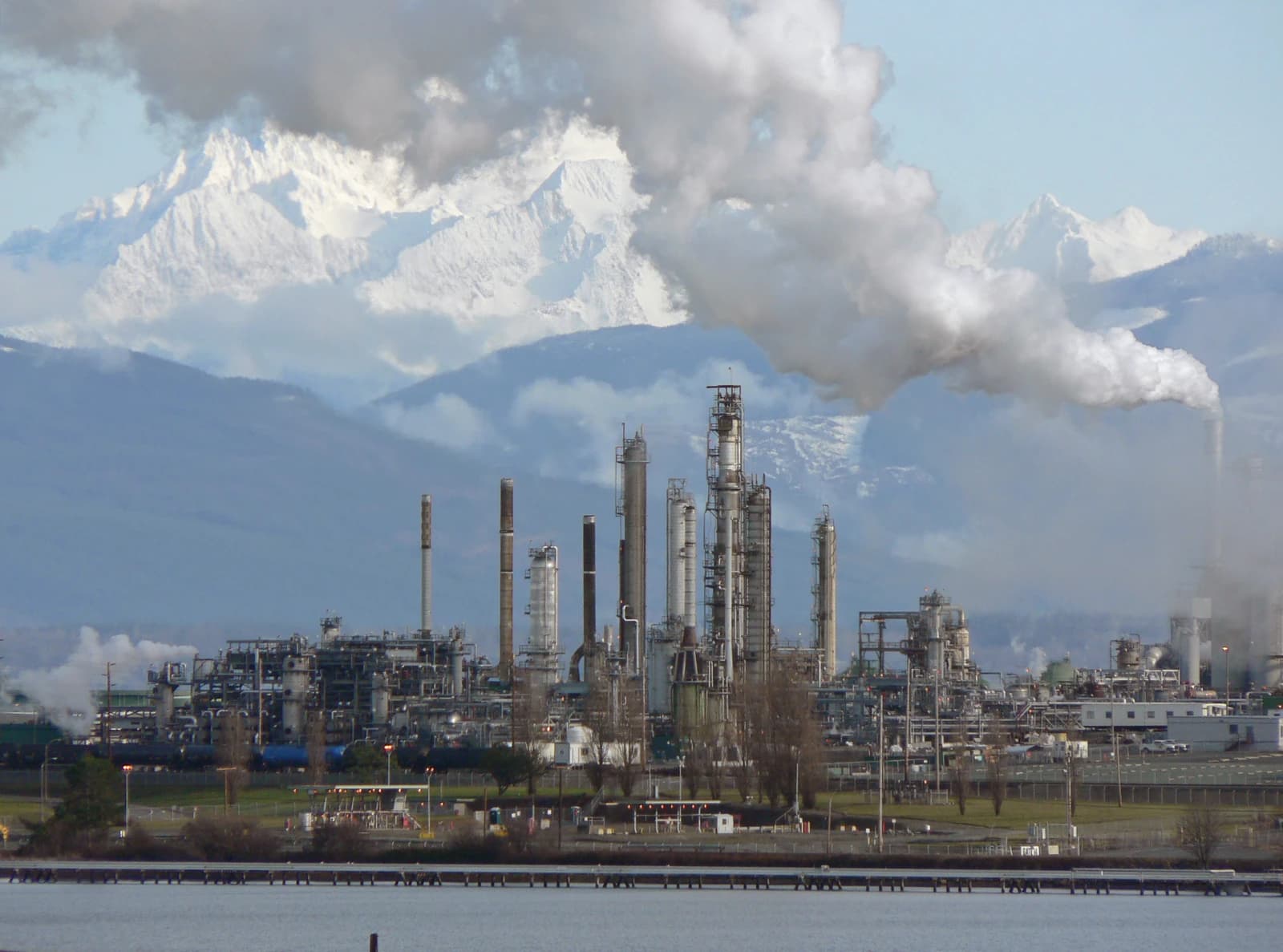
Oil prices are on track for a steep weekly decline even with Brent still trading just below $100 a barrel, as investors rapidly unwind the geopolitical risk premium that had built around the Middle East.
Oil Prices Fall as Middle East Risk Premium Eases
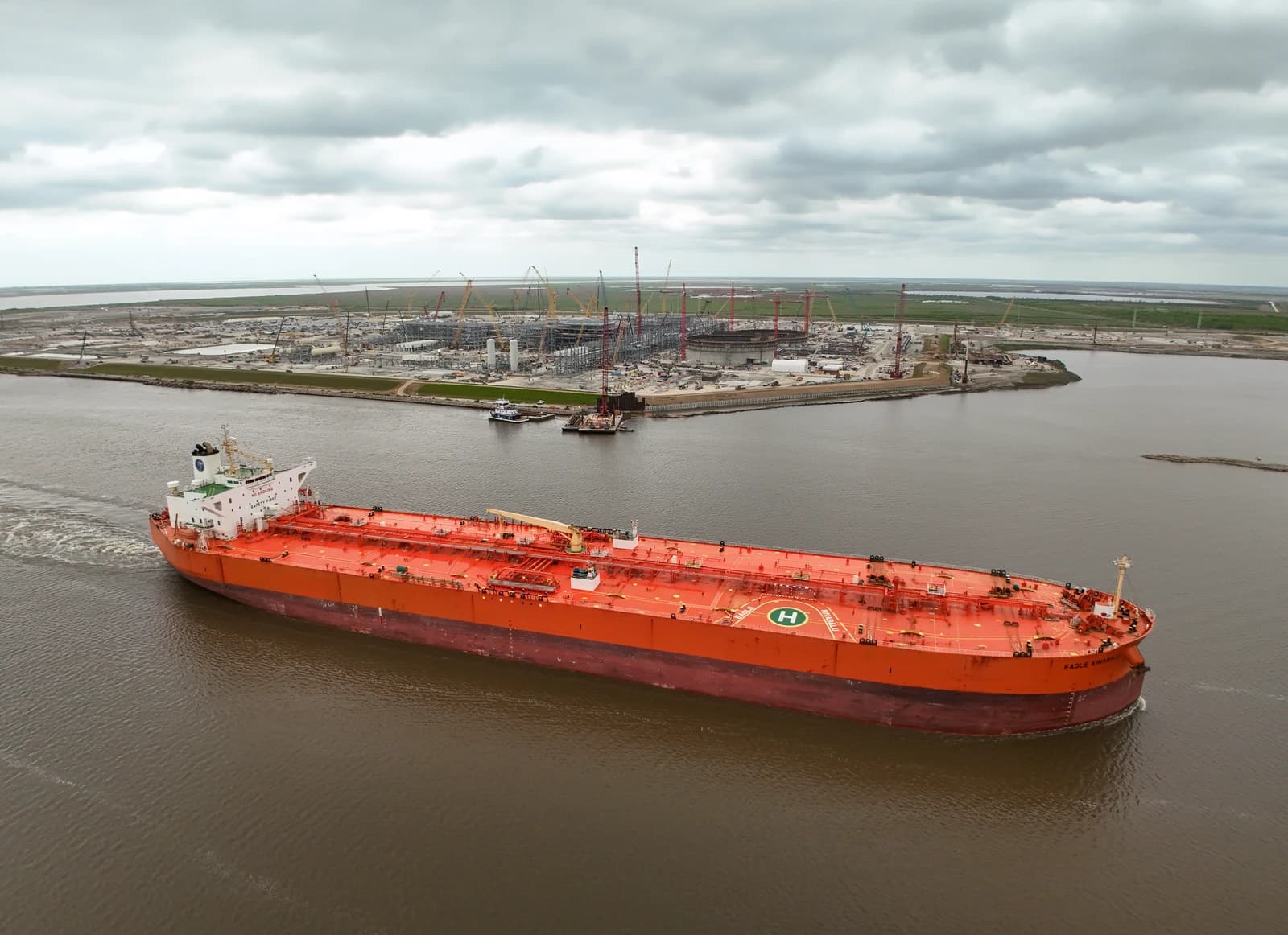
Brent futures for January delivery were last up 1.6% at $99.86 a barrel, while U.S. West Texas Intermediate gained 1.2% to $91.62, but both benchmarks remain headed for weekly losses of about 12%. The move matters because it marks a sharp repricing of one of the market’s most important inflation and growth inputs: traders are now betting that the threat of a broader disruption to Middle East supply is easing faster than physical barrels are being lost.
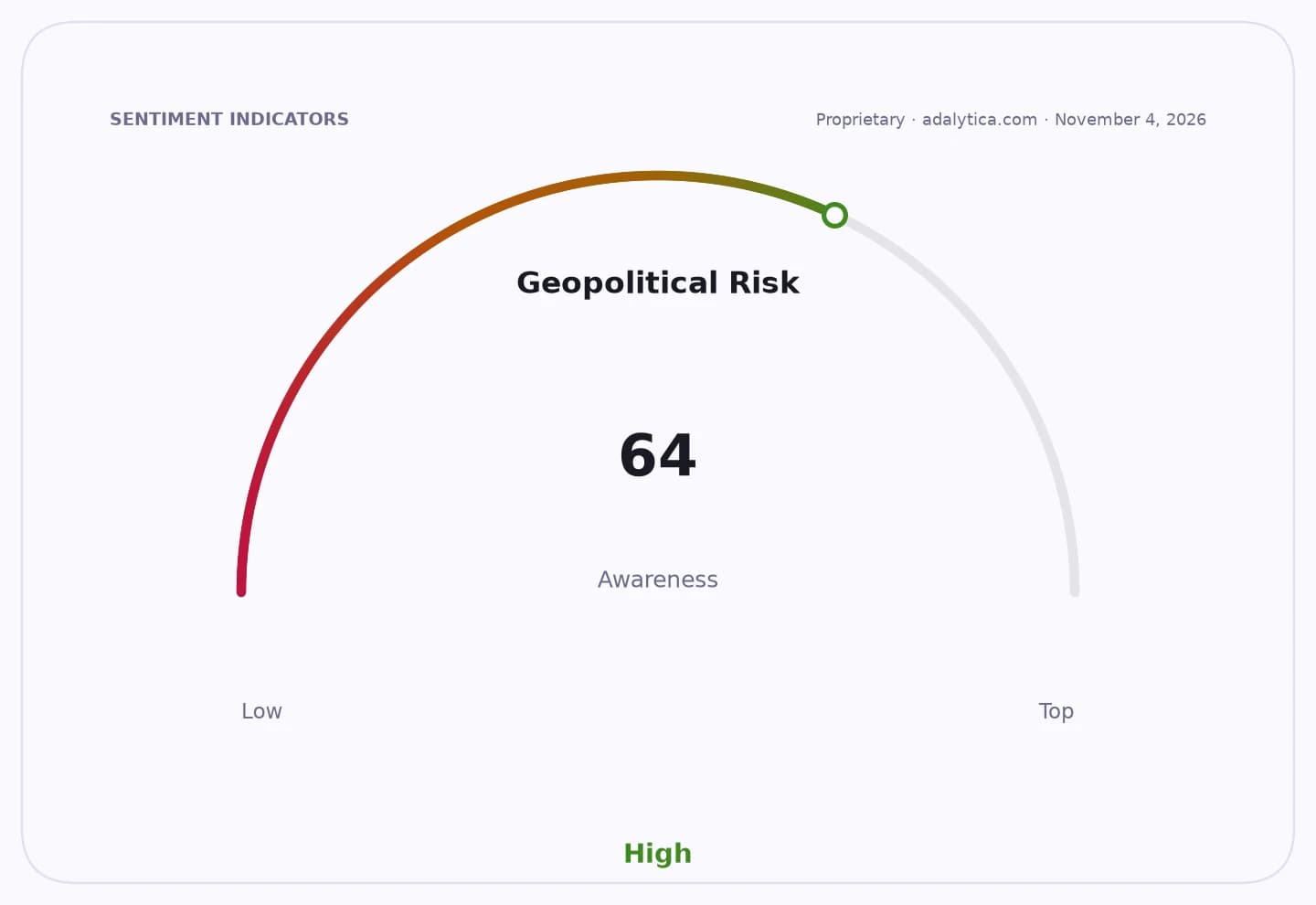
Sentiment Indicators
Oil WTI
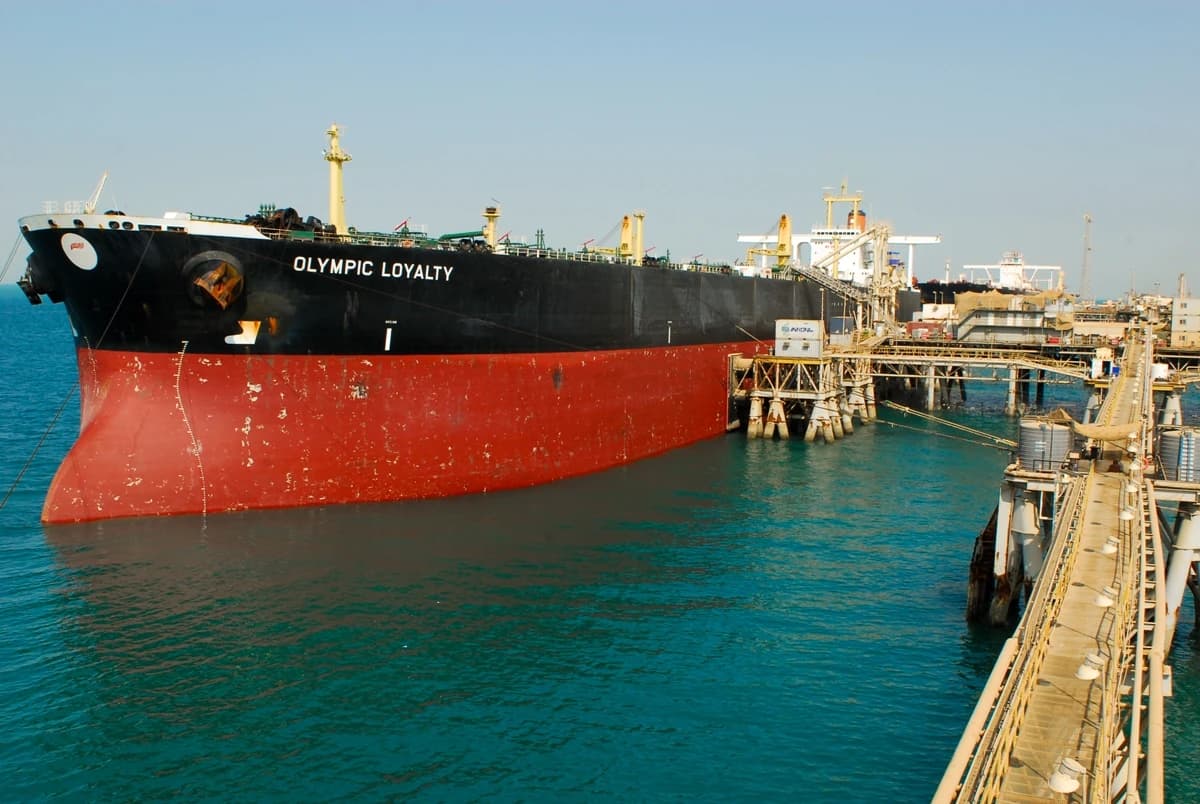
The selloff follows a week in which crude fell as much as 8% in a single session to a two-month low after U.S. midterm election results raised expectations of a softer stance on military pressure against Iran and its regional allies. That political shift has reduced the market’s fear of a direct supply shock, even as attacks on tankers in the Gulf and Strait of Hormuz have kept a floor under prices. Iran said three more vessels were hit, and UK Maritime Trade Operations data show the pace of tanker targeting remains close to record levels.
For consumers and policymakers, lower crude prices can ease gasoline and diesel costs and trim headline inflation, especially after months in which energy inflation fed into broader price pressures. For producers, the drop is a reminder that oil’s rally has been built on a fragile risk premium rather than a cleaner improvement in underlying supply-demand fundamentals. That distinction matters for balance sheets across the sector, from exploration and production groups to oilfield services names that have benefited from tighter markets and higher cash flow.
The price action also highlights how quickly oil can swing between geopolitical fear and recession-style demand concerns. Brent trading near $100 still leaves the market elevated by historical standards, but a weekly decline of this size suggests traders are increasingly comfortable pricing out some of the war premium even while shipping risks remain unresolved.
Investors will be watching whether tanker attacks intensify enough to reverse the move, or whether the market continues to focus on easing political risk and a more modest near-term supply picture. If the former does not materialize, crude could remain under pressure, with implications for energy equities, inflation expectations and currencies tied to commodity exports.
| Entity | Gains | Losses |
|---|---|---|
| Oil consumers | ▲Lower fuel costs | ▼None |
| Airlines and transport firms | ▲Cheaper input costs | ▼Less pricing pressure relief on hedges |
| Oil producers | ▲— | ▼Lower realized crude prices |
| Energy equity longs | ▲— | ▼Geopolitical risk premium unwinds |