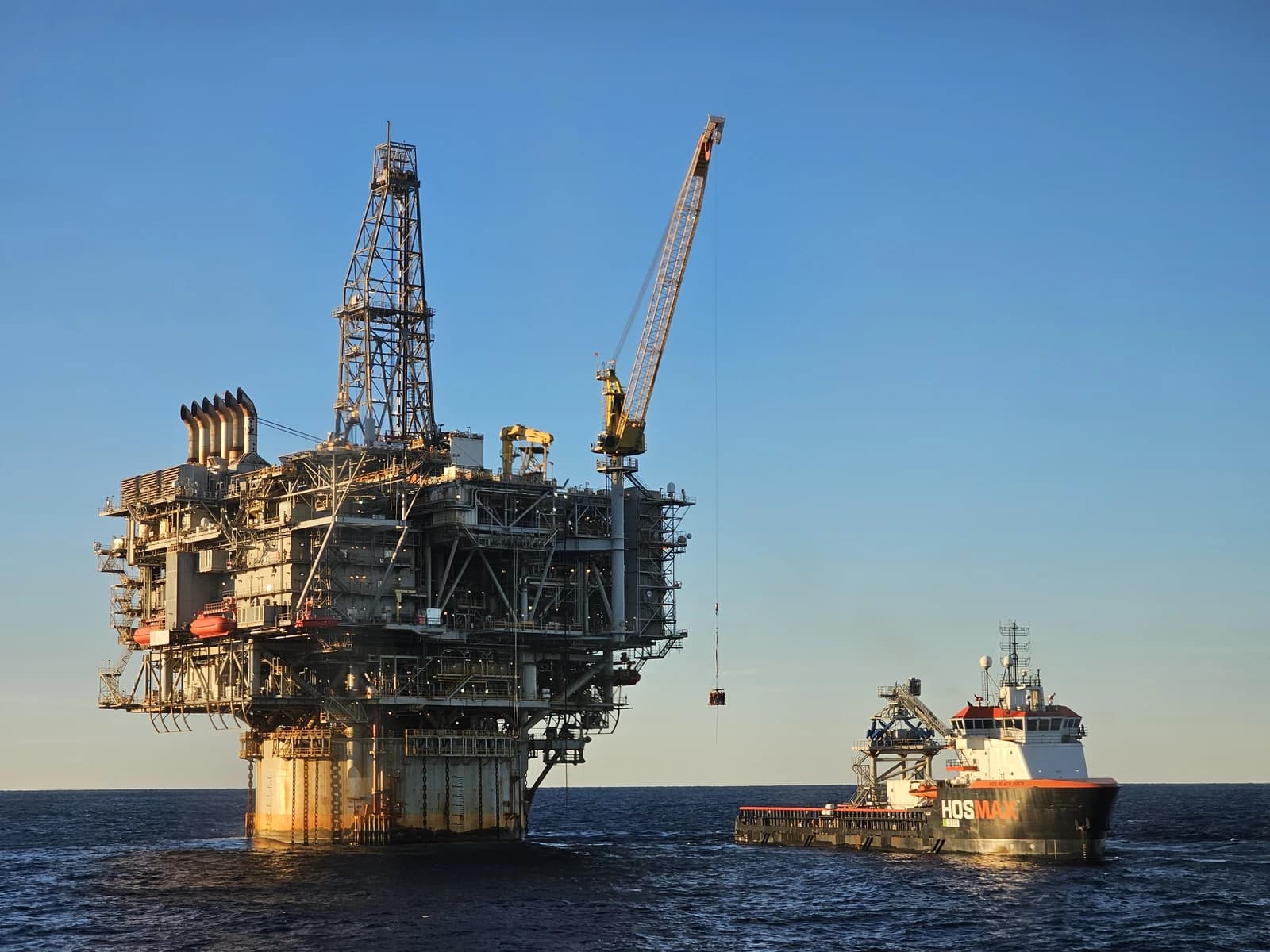
Egypt’s oil ministry is turning to hydraulic fracturing and horizontal drilling in the Western Desert as it tries to arrest declining domestic output, reduce imports and make more barrels commercial without waiting for large new discoveries.
Egypt Oil Ministry Expands Fracturing in Western Desert
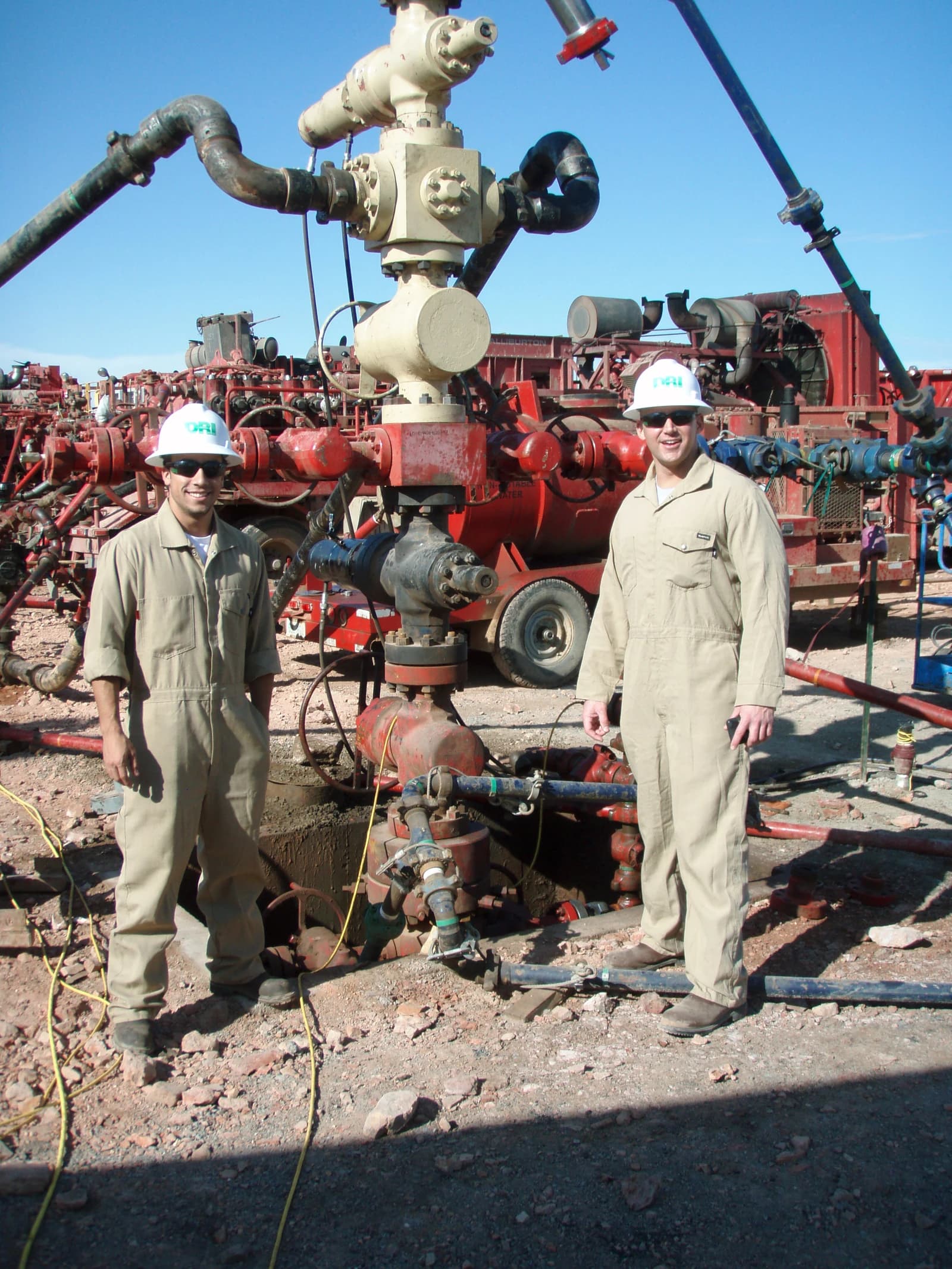
Petroleum Minister Karim Badawi witnessed the signing of two agreements that will expand the use of modern drilling technologies in the concessions of Khalda Petroleum and Petroneen, in partnership with Eagle International for Oil and Gas Services and Technology. The plan targets as many as 30 wells at most, including 15 to 20 in Khalda’s acreage and three to 10 in Petroneen’s blocks, underscoring a more technical approach to production growth in mature fields.
Sentiment Indicators
The economics matter because Egypt is trying to squeeze more value from geological formations that cannot be produced efficiently with conventional methods. The ministry said it has adjusted cost-recovery mechanisms to improve project viability, a key incentive in a sector where the upfront cost of advanced drilling can be high and returns depend on well performance, service costs and the speed of bringing incremental barrels on stream.
For investors, the signal is less about a single contract than about the direction of capital spending and service demand. A broader rollout of hydraulic fracturing and horizontal drilling typically benefits oilfield service providers with completion, drilling and production-optimization expertise, while improving the outlook for domestic producers if the wells deliver higher recovery rates. It can also support Egypt’s balance of payments by cutting crude and gas imports, a meaningful macro tailwind for a country that remains sensitive to energy costs.
The agreements fit a wider pattern in global upstream markets: producers are leaning on technology rather than frontier exploration to raise supply. The minister cited the experience of the US, Canada and Saudi Arabia, where unconventional and enhanced drilling methods have helped unlock reserves once considered uneconomic. In Egypt’s case, the Western Desert is the proving ground, and the key question is whether the geology can deliver repeatable gains at acceptable cost.
That creates a clear bull-and-bear split. Bulls will argue that lower-cost incremental production, better recovery and knowledge transfer from international service companies can raise output with limited exploration risk. Bears will note that technical success is not guaranteed, that advanced completions can be expensive, and that a handful of wells may not be enough to materially shift national production trends unless the pilot phase scales.
The immediate market relevance is to service names and regional upstream contractors, not to global oil prices. But with crude markets already sensitive to supply news, any sustained improvement in Egypt’s production profile would support local energy security and modestly tighten the regional balance. The next catalyst will be execution: well results, cost discipline and whether Cairo can turn these agreements into a broader development program across other fields.
| Entity | Gains | Losses |
|---|---|---|
| Egypt’s oil producers | ▲Higher recovery potential | ▼Upfront drilling costs |
| Oilfield service firms | ▲More contract demand | ▼Pressure to prove results |
| Egypt’s energy balance | ▲Lower import needs | ▼Less reliance on quick imports |
| Conventional drilling methods | ▲Less central role | ▼Share of new work |