India is preparing a new model for offshore gas development by pushing Reliance Industries, ONGC and BP toward shared infrastructure in the Mahanadi Basin, a move that could make smaller deepwater discoveries commercial by lowering the cost of bringing gas to market.
India Plans Shared Offshore Gas Hub in Mahanadi Basin
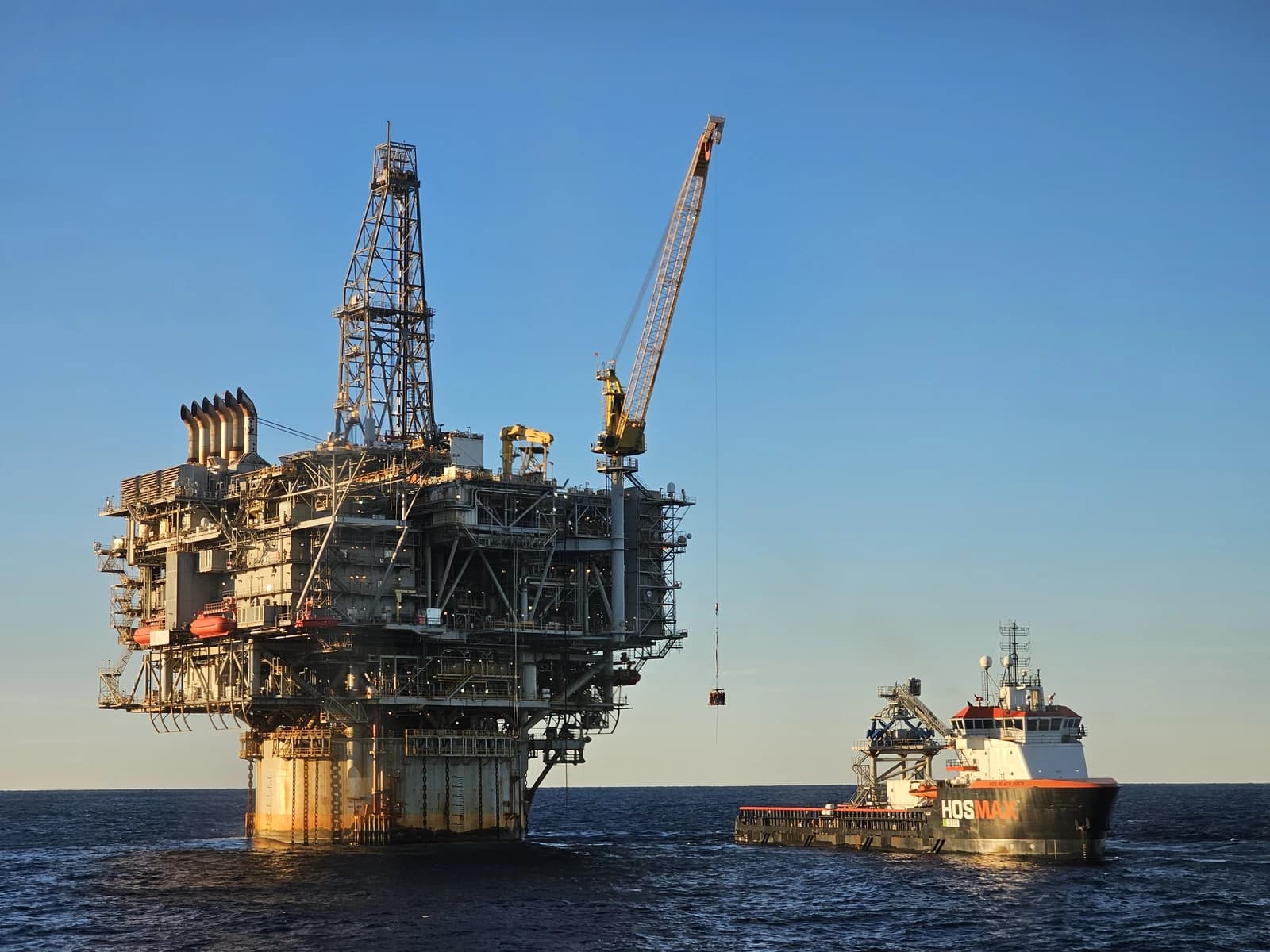
The plan, still at an early stage, would create a joint offshore facility worth about $1 billion to handle natural gas and condensate from deep and ultra-deepwater fields off India’s east coast. Officials say technical consultants may be appointed soon, with the choice still open between a floating production, storage and offloading vessel, or an installed offshore structure that would take longer to build.
Economically, the proposal matters because offshore gas projects are often stranded not by geology but by capital intensity. Separate processing and transport systems can make modest finds uneconomic, especially in deepwater where drilling, subsea pipelines and processing facilities are expensive. A shared hub lowers that threshold, potentially unlocking reserves that would otherwise remain undeveloped and reducing India’s dependence on imported energy over time.
For policymakers, the attraction is straightforward: India wants higher domestic hydrocarbon output without forcing each operator to duplicate infrastructure. A tolling-style system, similar to models used in the North Sea, would allow multiple producers to feed gas through the same facility and pay fees for access. That could accelerate monetisation of small discoveries and support a broader gasification push in an economy where energy demand remains structurally strong.
For Reliance, ONGC and BP, the appeal is different but complementary. Shared infrastructure could improve project economics, shorten the time to first revenue and spread risk across operators. It may also encourage collaboration in a basin where geology is promising but development costs are a deterrent. The model could especially benefit smaller or lower-yielding finds that are hard to justify on a standalone basis.
The timing is also relevant for investors because offshore gas spending has been gaining traction globally as deepwater activity recovers and customers look for lower-cost development options. BP has been trimming assets to strengthen its balance sheet, but it remains active in partnership-led upstream projects. ONGC, meanwhile, continues to seek ways to lift domestic production, while Reliance has long used scale and infrastructure integration to improve returns in energy assets.
There are still important execution risks. The project is only in the discussion phase, the engineering choice has not been made and the build-out could take three to four years. Shared infrastructure also requires agreement on tariffs, access terms, operating control and reservoir scheduling — all areas where commercial interests can diverge. If those hurdles slow progress, the project could remain a policy aspiration rather than a production catalyst.
Still, the broader narrative is clear: India is trying to turn offshore gas from a high-cost, company-by-company effort into a shared industrial platform. If the Mahanadi Basin model works, it could become a template for other basins and a significant lever for domestic gas supply, capital efficiency and upstream returns.
| Entity | Gains | Losses |
|---|---|---|
| Reliance Industries | ▲Lower development costs | ▼Less infrastructure control |
| ONGC | ▲Faster field monetisation | ▼Higher coordination burden |
| BP | ▲Access to shared offshore hub | ▼Capital tied up in a slow build |
| Small gas discoveries | ▲Commercial viability | ▼Standalone project economics |