Reliance Industries, BP and other major operators are discussing a $1 billion shared offshore infrastructure plan for India’s deepwater gas fields, a move that could make smaller discoveries commercially viable and accelerate domestic gas output.
India weighs shared offshore gas hub plan
The proposal, being floated by the Ministry of Petroleum and Natural Gas, is at a preliminary stage but could reshape how India develops costly ultra-deepwater resources, where standalone facilities are often too expensive for individual fields. Executives familiar with the talks say the model would let two or more producers jointly build a common hub, then route gas and condensate through it on a tolling basis.
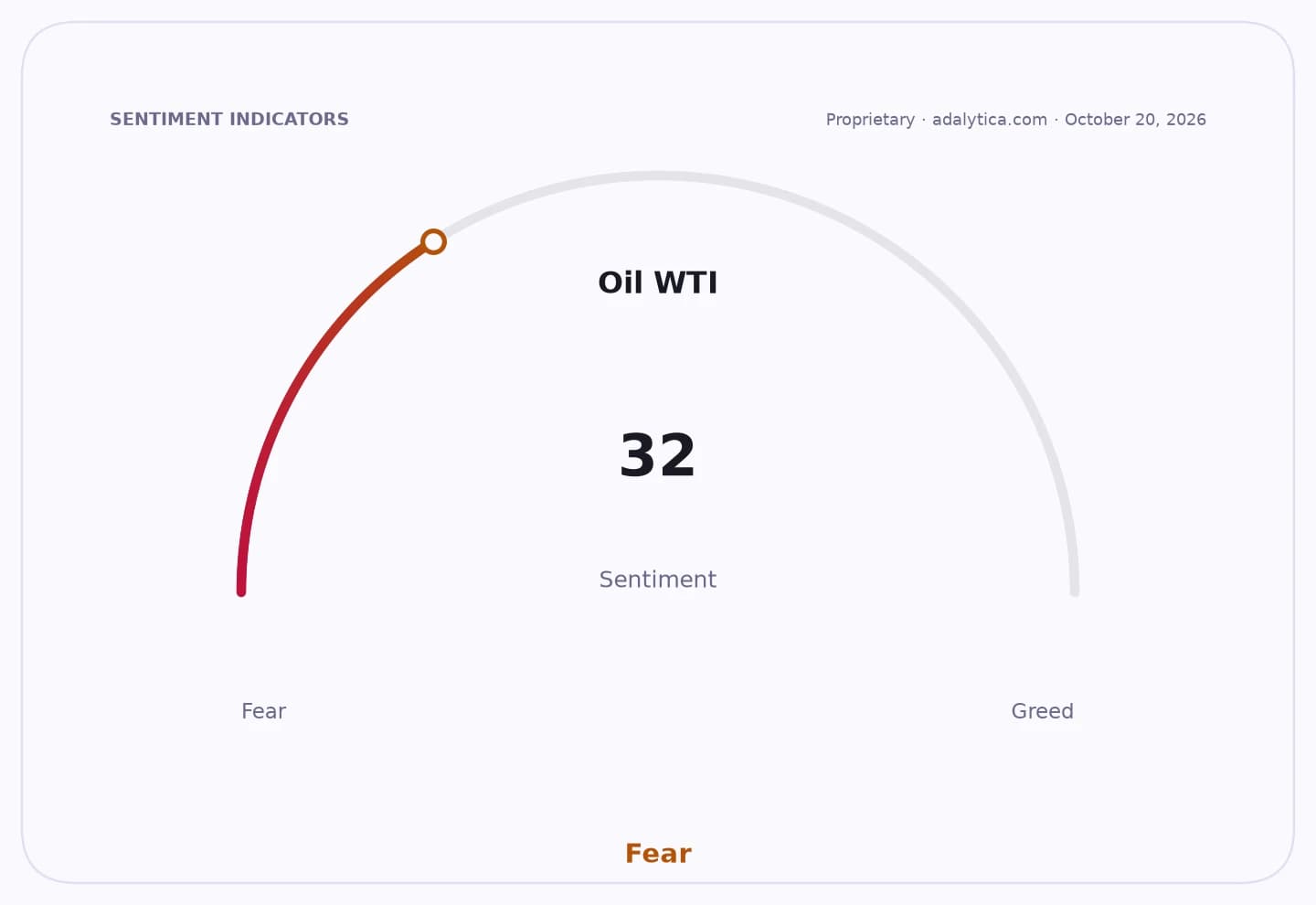
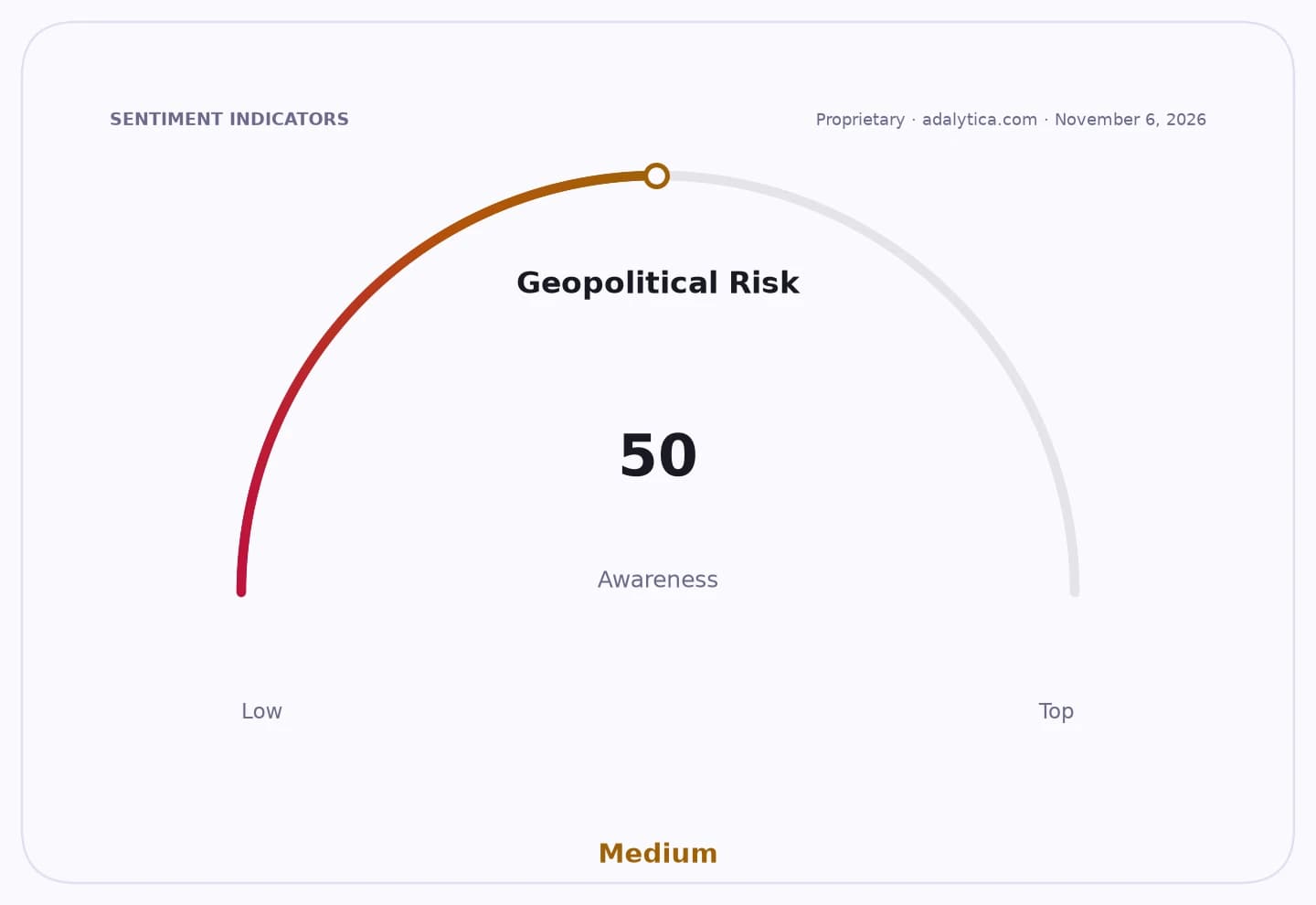
Sentiment Indicators
For investors, the significance is twofold: it lowers the capital burden for explorers and improves the economics of future drilling campaigns in a country still reliant on imports to meet energy demand. A shared hub also reduces the risk that promising finds stay stranded because the infrastructure bill is too large relative to field size.
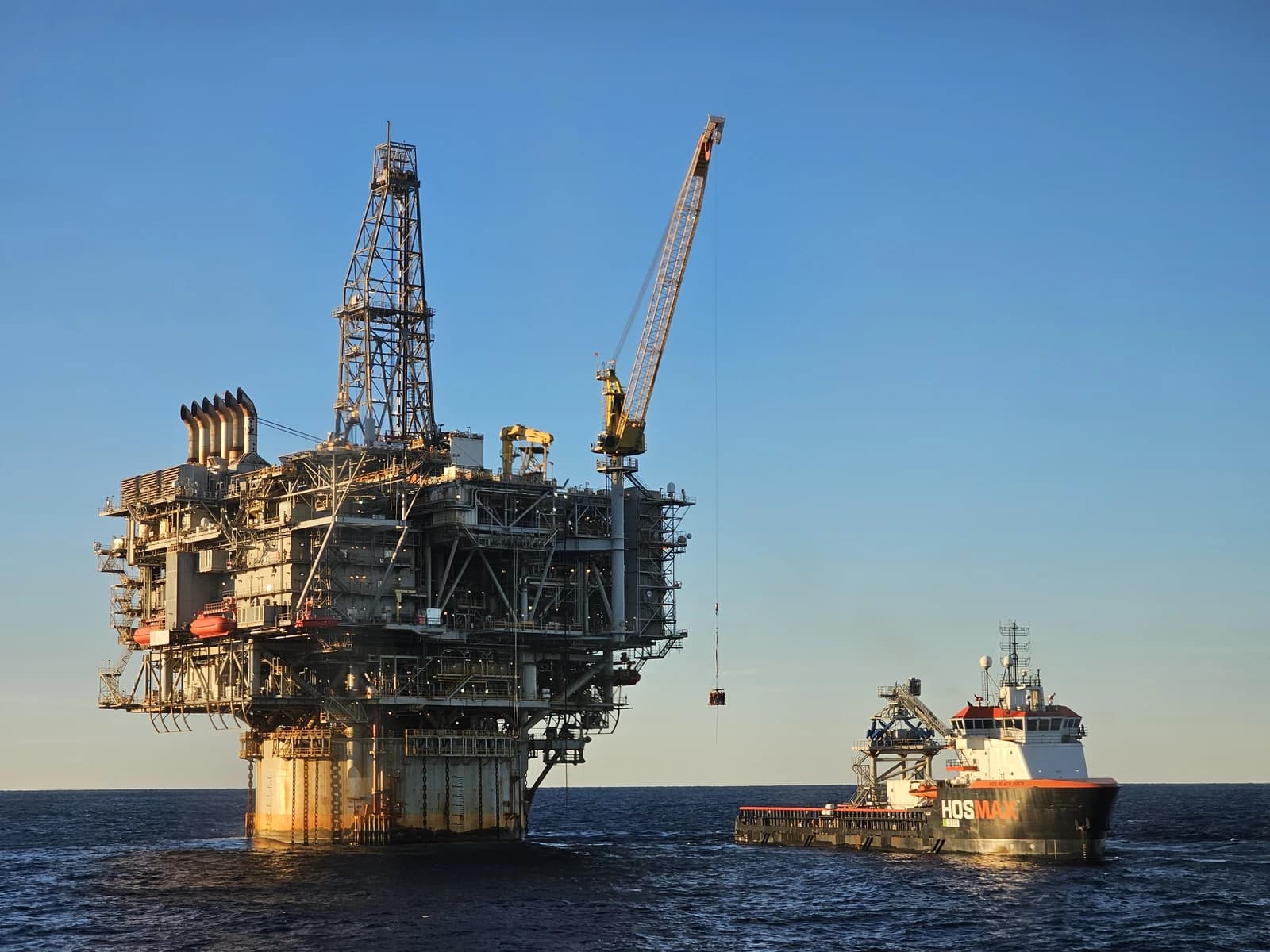
The concept mirrors systems already used in places such as the North Sea, where shared platforms have helped squeeze more output from mature basins. In India, the ministry is looking to extend that approach to deepwater and ultra-deepwater projects, where infrastructure costs are especially heavy and development timelines can stretch three to four years.
The plan would likely involve floating production, storage and offloading units, or a fixed offshore facility, with technical consultants expected to be appointed soon. ONGC, BP and Reliance, India’s biggest private oil and gas player, did not respond to questions.
The backdrop is a global offshore market where operators are again funneling spending into deepwater, helped by firmer upstream economics and a push to secure long-life supply. Halliburton and SLB have both pointed to growing international deepwater activity in recent filings, underscoring the broader industry case for large shared infrastructure.
The next catalyst will be whether the ministry moves beyond preliminary discussions and identifies which blocks and producers could anchor the hub. If adopted, the framework could become a template for future offshore gas development in India and improve returns across the value chain.
| Entity | Gains | Losses |
|---|---|---|
| Reliance Industries | ▲Lower development costs | ▼Solo infrastructure burden |
| BP | ▲Better project economics | ▼Standalone capex risk |
| ONGC | ▲Access to shared hub | ▼Delayed monetization if excluded |
| Indian gas consumers | ▲More domestic supply | ▼Continued import dependence |