China’s restart of the Lingshui 17-2 deepwater gas field matters because it restores a key domestic supply source just as natural gas markets are being pulled by geopolitical risk, thin inventories and volatile prices.
CNOOC Lingshui 17-2 gas field restarts in Q4
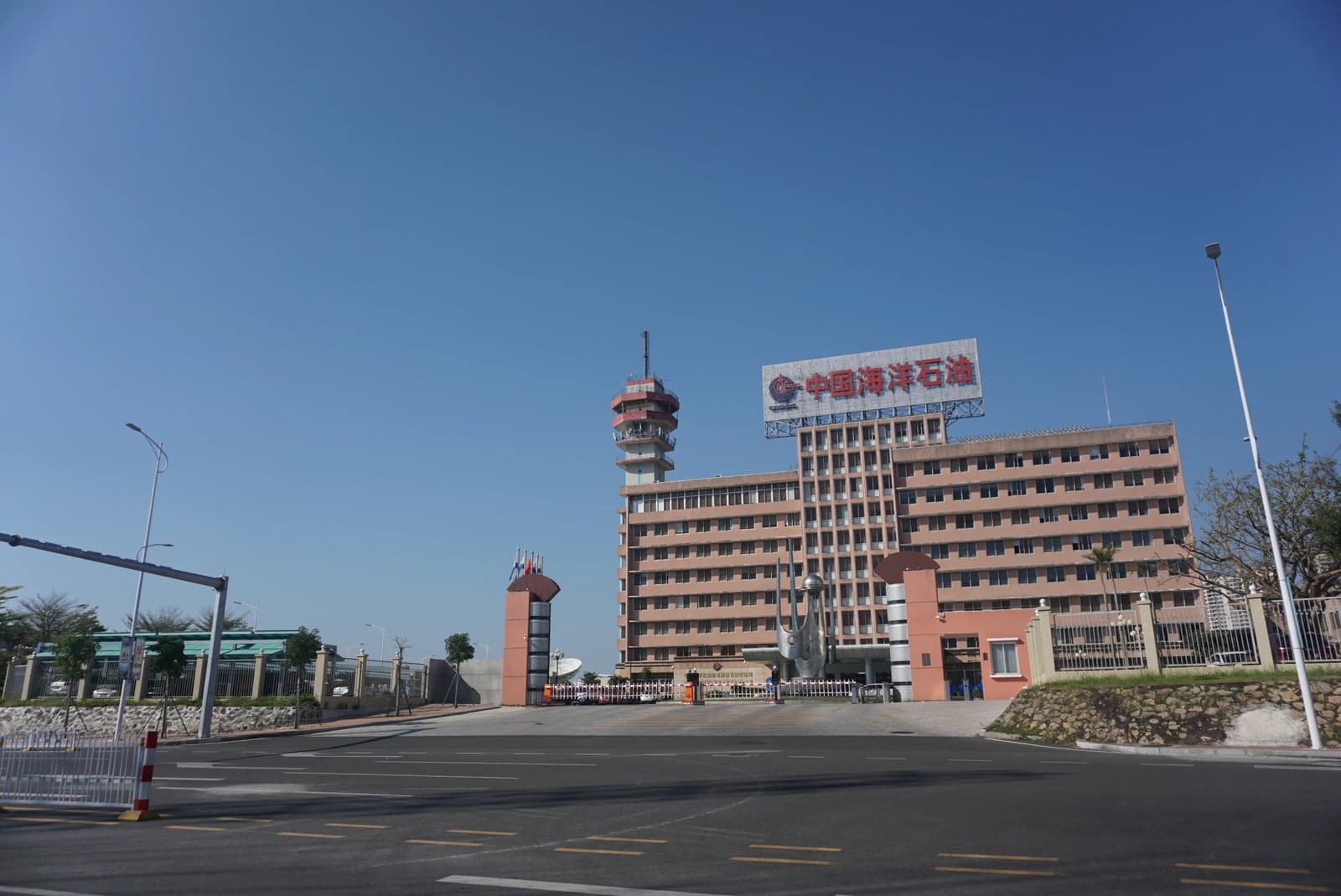
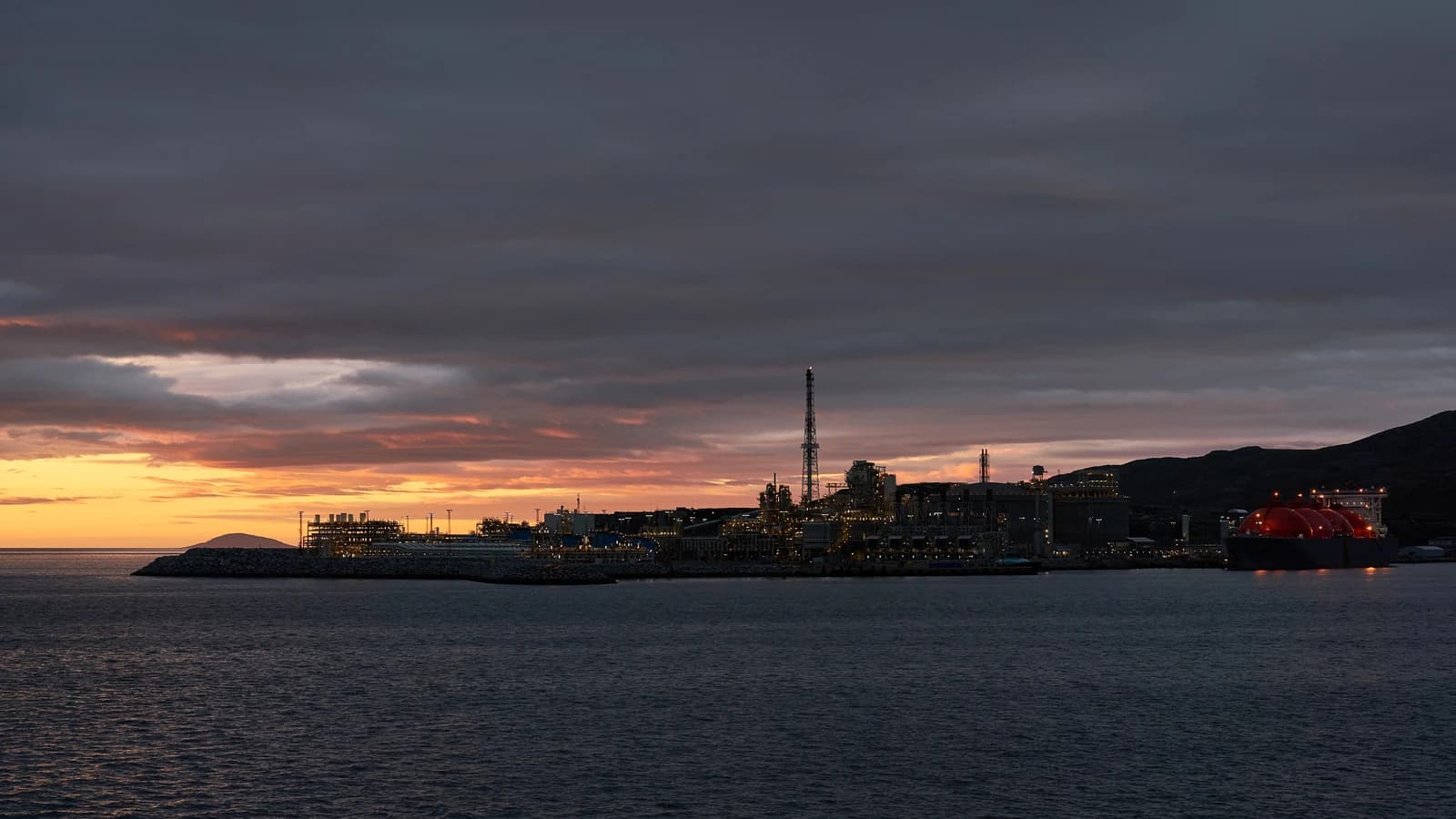
CNOOC plans to resume production in the fourth quarter after an accident earlier this year shut the project, which sits about 150 kilometers south of Hainan in waters averaging 1,500 meters deep. The field holds more than 100 billion cubic meters of reserves and can produce 4.5 billion cubic meters of gas a year across two development phases, making it one of the company’s most important southern China supply assets.
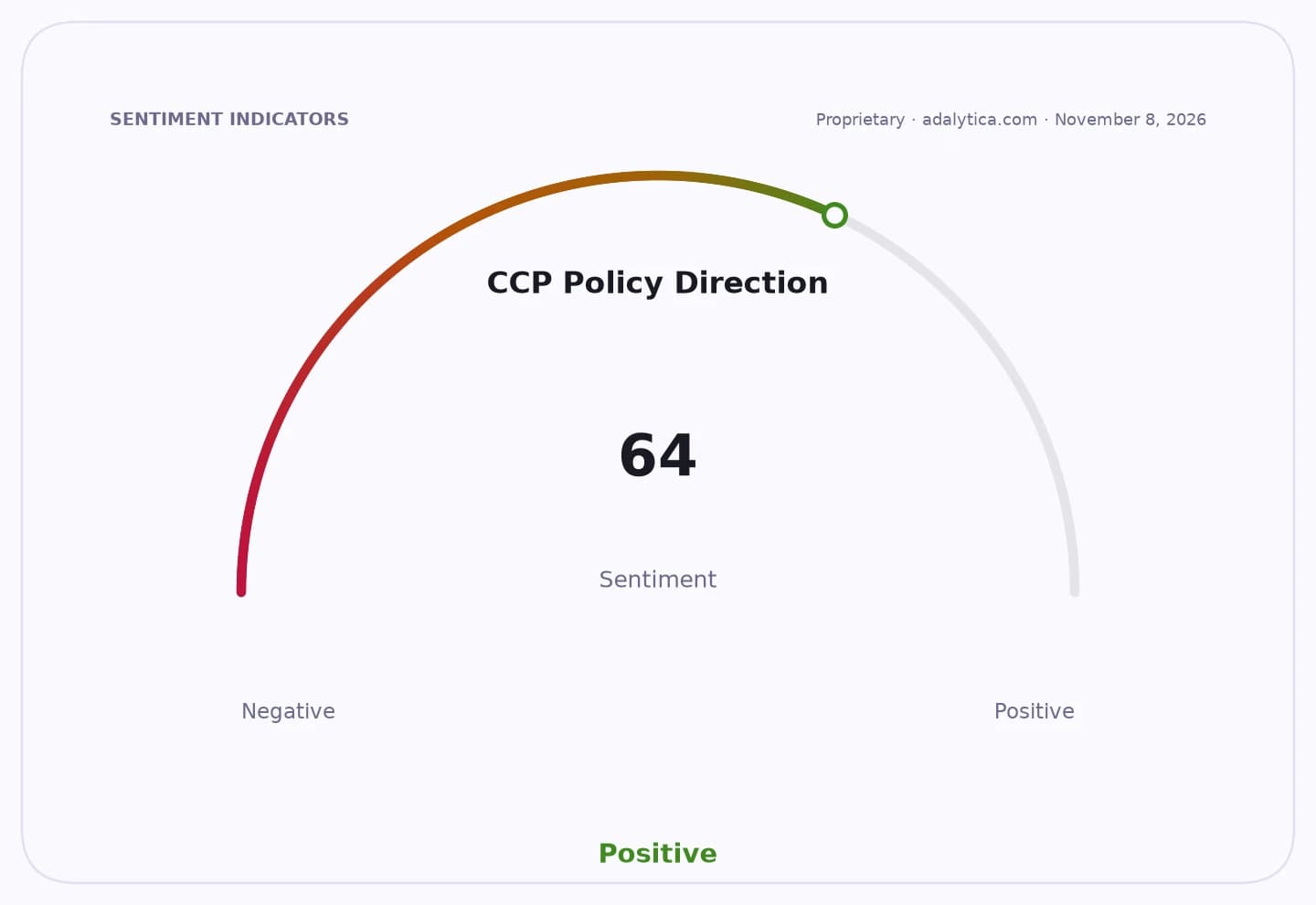
Sentiment Indicators

For Beijing, the restart is more than a maintenance update. China is still building out domestic gas output to reduce reliance on imported fuel, and every large offshore barrel-equivalent that comes back online helps blunt exposure to shipping disruptions, contract pricing swings and foreign suppliers. The timing also matters because LNG and pipeline supply competition remains intense across Asia, while Europe’s own gas anxiety keeps global balances tight.
The Lingshui field is especially important because it is CNOOC’s first deepwater gas project that it fully owns and operates. That gives the company more control over production, while also underscoring how strategically valuable China’s offshore assets have become as the country pushes to diversify energy supply. The field already feeds southern China and Hong Kong, so any interruption can ripple through regional gas flows.
The broader message for investors is that natural gas remains a structural winner in the energy transition, not a fading bridge fuel. China’s push to restore and expand domestic supply, combined with Russia’s continued pipeline deliveries to China, reinforces the view that gas infrastructure still commands capital and political support. That is constructive for offshore service companies, deepwater equipment suppliers and large integrated producers with exposure to Asia’s tightening energy system.
The trade setup is straightforward: the market is underestimating how much supply security still drives investment in gas. If China continues to prioritize domestic production and import diversification, projects like Lingshui and the wider offshore basin should keep attracting capital even in a choppy price environment. For energy investors, that argues for staying positioned in gas-linked producers, offshore drillers and the picks-and-shovels names that profit when governments decide reliability matters more than ideology.
| Entity | Gains | Losses |
|---|---|---|
| CNOOC | ▲Restored output | ▼Outage-related losses |
| China gas consumers | ▲More supply security | ▼Less import flexibility |
| Offshore service firms | ▲Resumed project activity | ▼Idle-equipment risk |
| LNG exporters | ▲Less incremental demand | ▼Tighter China upside |