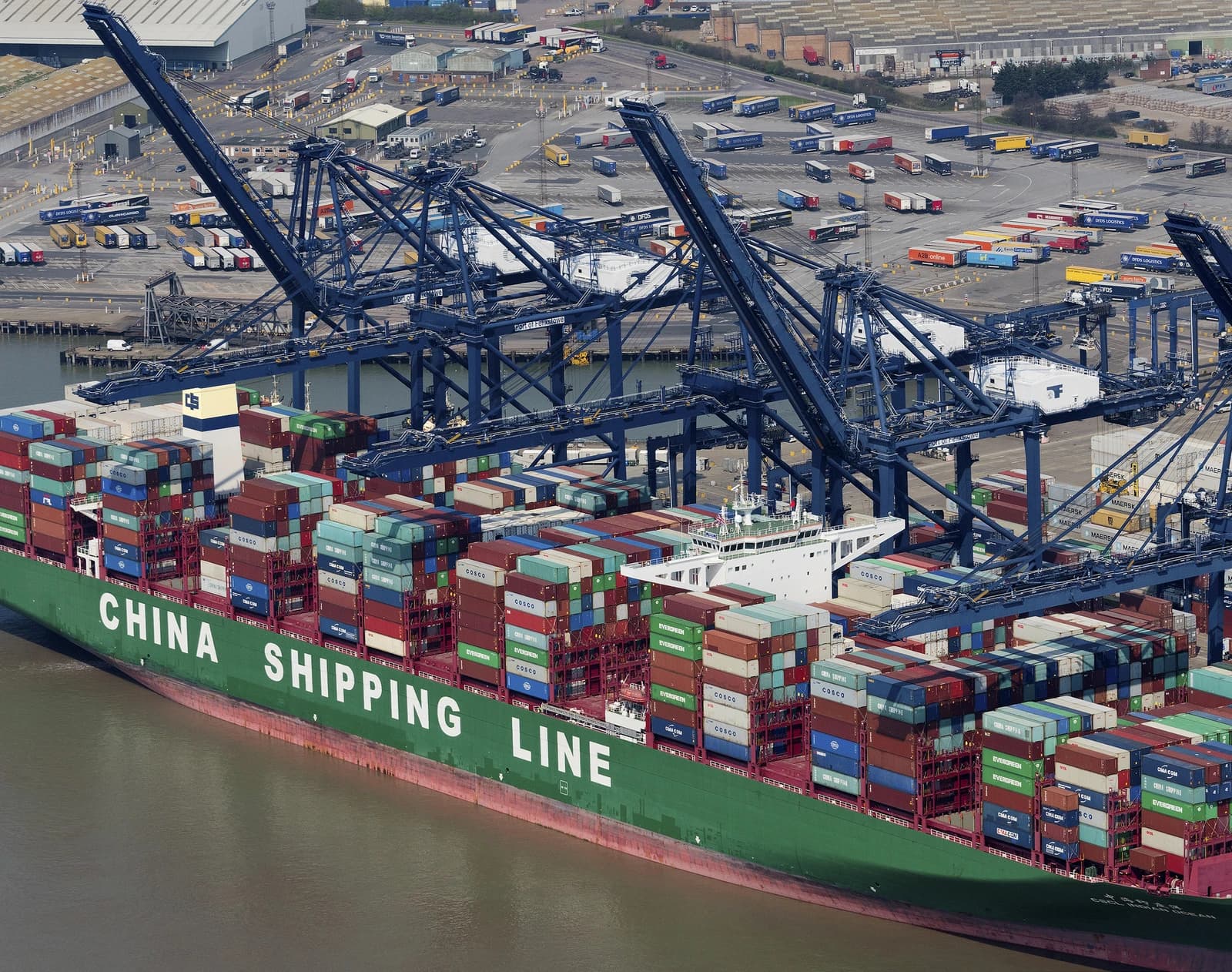
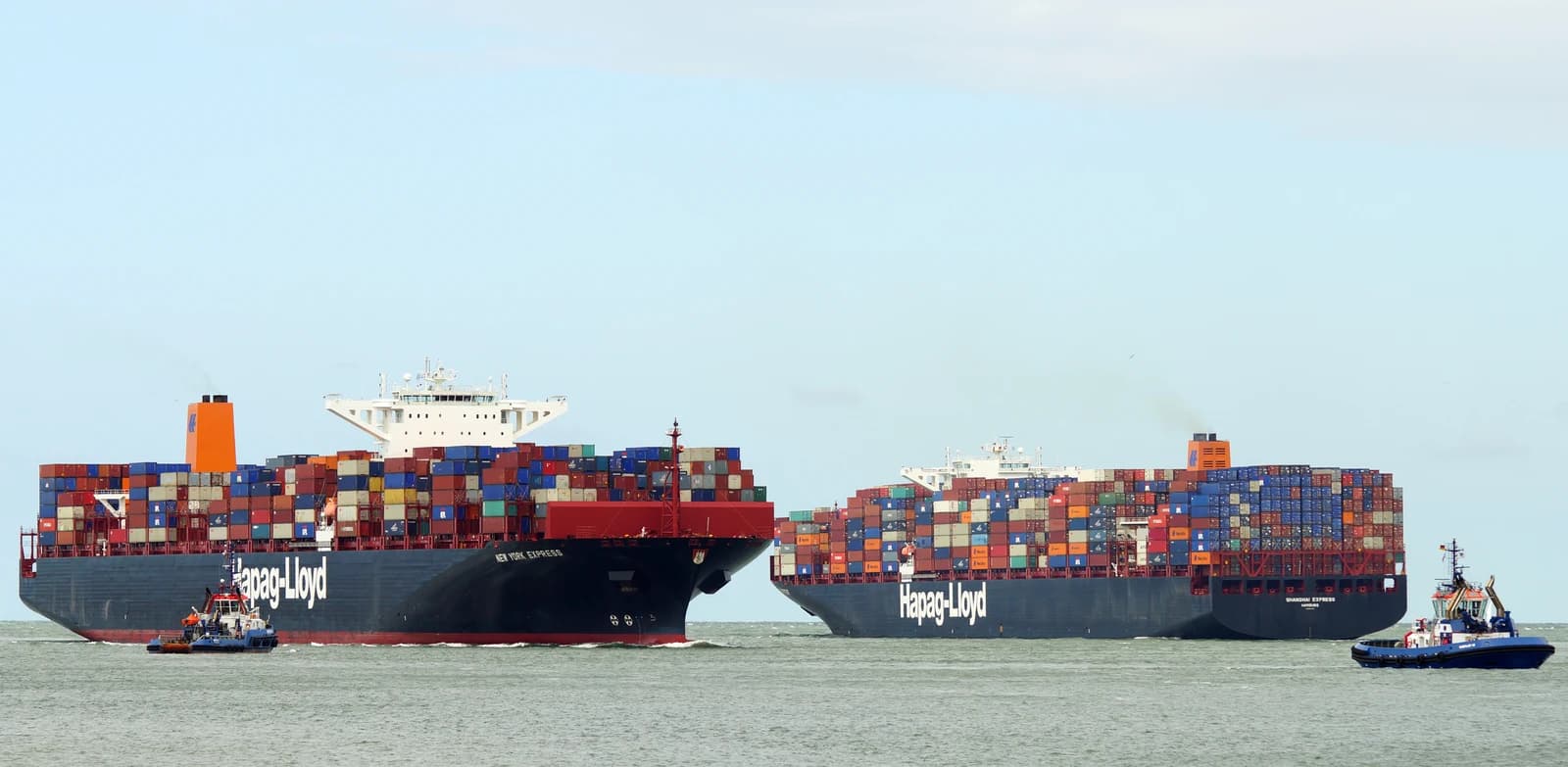
China’s shipyards captured 81.8% of new global vessel orders in the first nine months of the year, underscoring the country’s grip on the world’s shipbuilding market as prolonged trade routes, fleet renewal and cleaner-fuel demand keep carriers ordering more tonnage.
China Shipyards Win 81.8% of Global Orders

That share rose from 67.3% a year earlier, with Chinese yards booking 175.3 million gross tons of new orders, up 163.2% from the same period last year, according to China’s Ministry of Industry and Information Technology. Output at Chinese shipyards climbed 50.7% to 58.1 million gross tons, while their order book swelled to 399.1 million gross tons, equal to 72.4% of the global total.
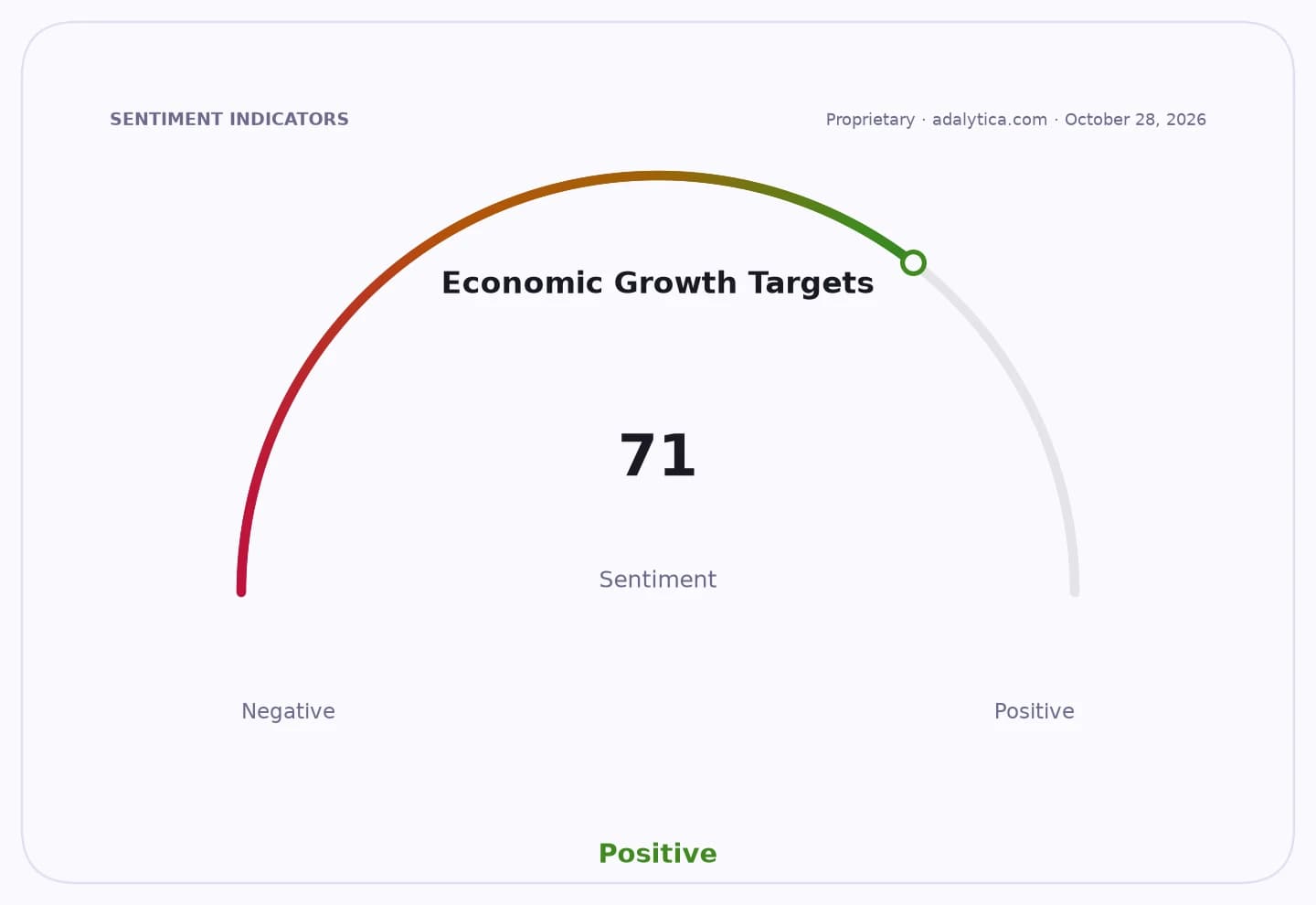
Sentiment Indicators
The figures matter because shipbuilding is becoming a strategic industrial advantage for China, not just a cyclical export business. The country is also taking 74.1% of global orders for green-fuel vessels, a share that highlights how the energy transition at sea is feeding into Chinese industrial dominance.
For investors, the data points to continued support for Chinese shipbuilders and their supply chains, while also reinforcing the pressure on South Korean and Japanese rivals to defend higher-value segments. The sheer volume of orders also suggests sustained demand for shipping capacity at a time when vessels are being re-routed around the Cape of Good Hope instead of the Suez Canal, lengthening voyages and tightening effective fleet supply.
UNCTAD has warned that those longer routes are boosting the need for capacity, which helps explain why carriers continue to order ships even as global trade remains uneven. At the same time, Beijing’s headline market share is measured in gross tons, which does not necessarily capture the value or technological complexity of the vessels being built.
The shipping cycle now looks set to stay supportive for yard activity into the coming quarters, with geopolitical disruptions, fleet replacement and emissions rules likely to keep order flow elevated even if the pace normalizes from this year’s surge.
| Entity | Gains | Losses |
|---|---|---|
| Chinese shipyards | ▲Record order flow | ▼Less room for rivals |
| Korean and Japanese builders | ▲Niche high-value work | ▼Market share pressure |
| Global carriers | ▲More capacity options | ▼Higher capital spending |
| Green-fuel vessel suppliers | ▲Stronger demand | ▼Traditional builders lagging in tech |