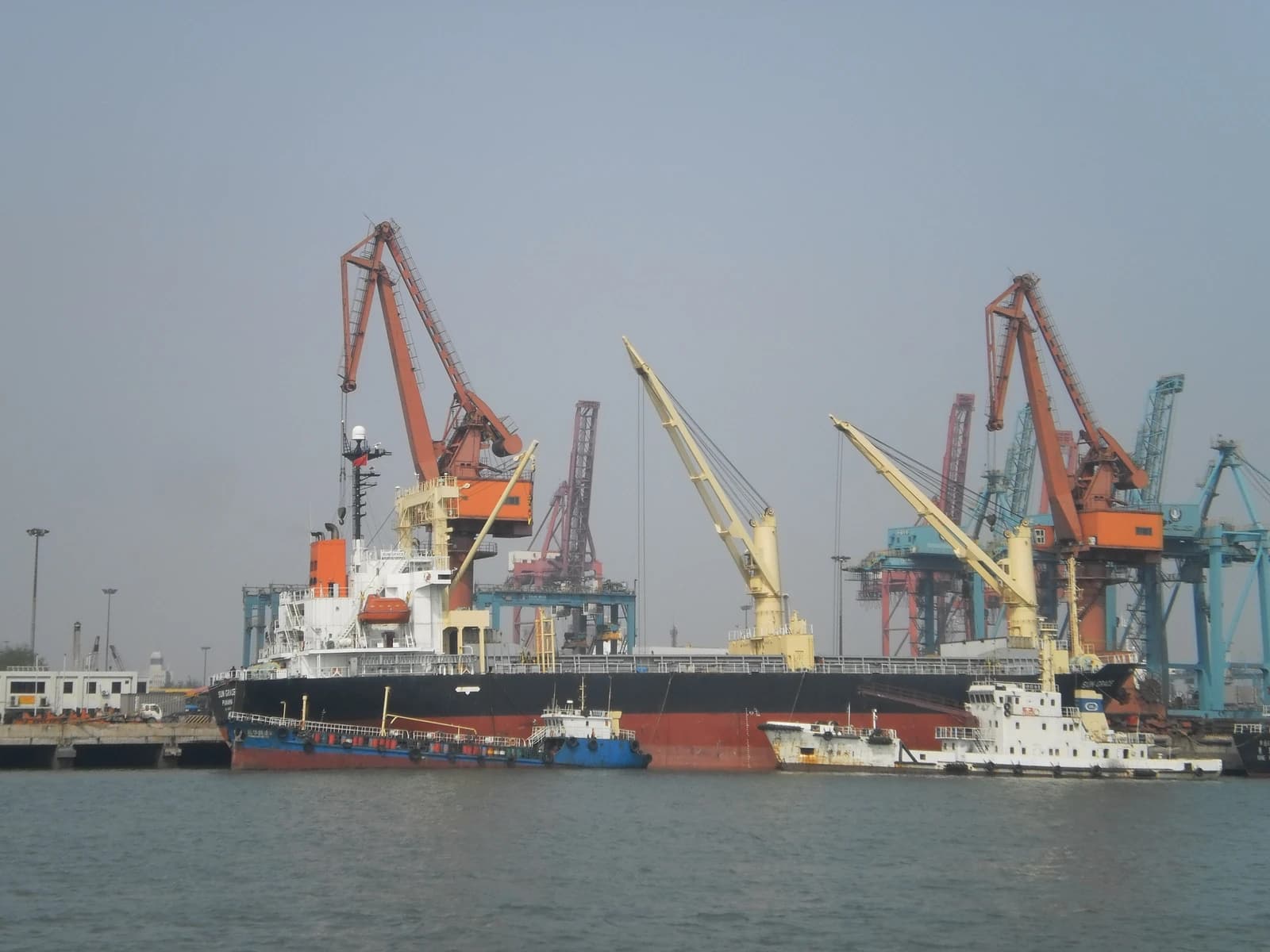
China’s maritime economy is set to exceed 11 trillion yuan in 2025, underscoring how the country’s push into offshore energy, shipping and marine services has become a material pillar of growth at a time when the broader economy is still contending with weak domestic demand.
China maritime economy to exceed 11 trillion yuan in 2025
Economic Growth Targets
The milestone matters because it shows Beijing’s effort to diversify growth beyond property and consumer spending is not just a policy slogan. According to the National Development and Reform Commission and the Ministry of Natural Resources, the maritime economy accounted for 7.9% of GDP in 2025, with a modern marine industrial system taking shape during the 14th five-year plan period. That gives China another large-scale growth engine just as economists warn of structural strains elsewhere in the economy, including excess industrial capacity and subdued household demand.
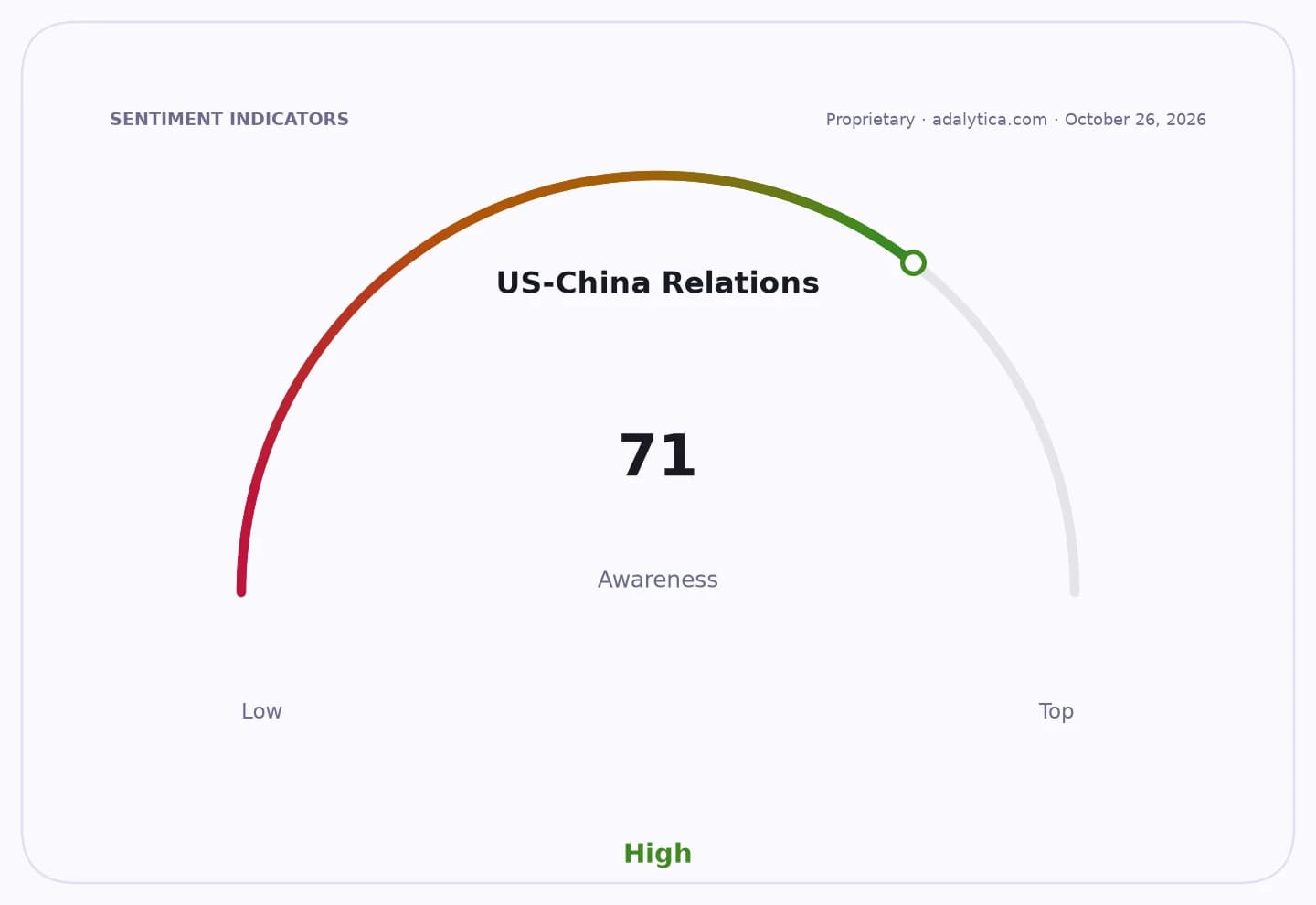
Sentiment Indicators
The report highlights sectors with direct economic and market consequences. China retained its global lead in offshore wind power grid connections and new installed capacity, reinforcing its position in a supply chain that runs from turbines and cables to vessel services and marine engineering. Its seawater desalination projects now produce more than 3 million tonnes a day, a scale that supports water security in coastal provinces and industrial hubs. The country’s self-developed marine drug pipeline also accounts for 28% of global varieties, pointing to an increasingly sophisticated high-tech blue-economy base.
For investors, the message is that China’s maritime buildout is broadening demand across capital goods, energy infrastructure, shipping and marine technology, while also supporting state priorities on energy security and industrial self-sufficiency. That can benefit firms tied to offshore wind, shipbuilding, port logistics and marine equipment, even as it raises the risk of overcapacity in some segments if investment outruns end demand. Foreign suppliers may see opportunities in specialized components and services, but they also face a more competitive Chinese industrial ecosystem that is moving up the value chain.
The story also fits a wider macro narrative: Beijing is leaning harder on strategic industries that can generate growth, exports and technological capability even as consumption remains fragile. If the maritime sector keeps expanding at this pace, it will likely remain a key channel for capital formation and policy support in 2026, with offshore wind, marine biotech and shipping infrastructure the main areas to watch.
| Entity | Gains | Losses |
|---|---|---|
| China maritime sector | ▲Larger GDP contribution | ▼Exposure to overcapacity risk |
| Offshore wind supply chain | ▲More investment and orders | ▼Margin pressure from competition |
| Coastal industry and utilities | ▲Better energy and water security | ▼Higher capital allocation burden |
| Foreign marine rivals | ▲Fewer easy market gaps | ▼Weaker position versus Chinese incumbents |