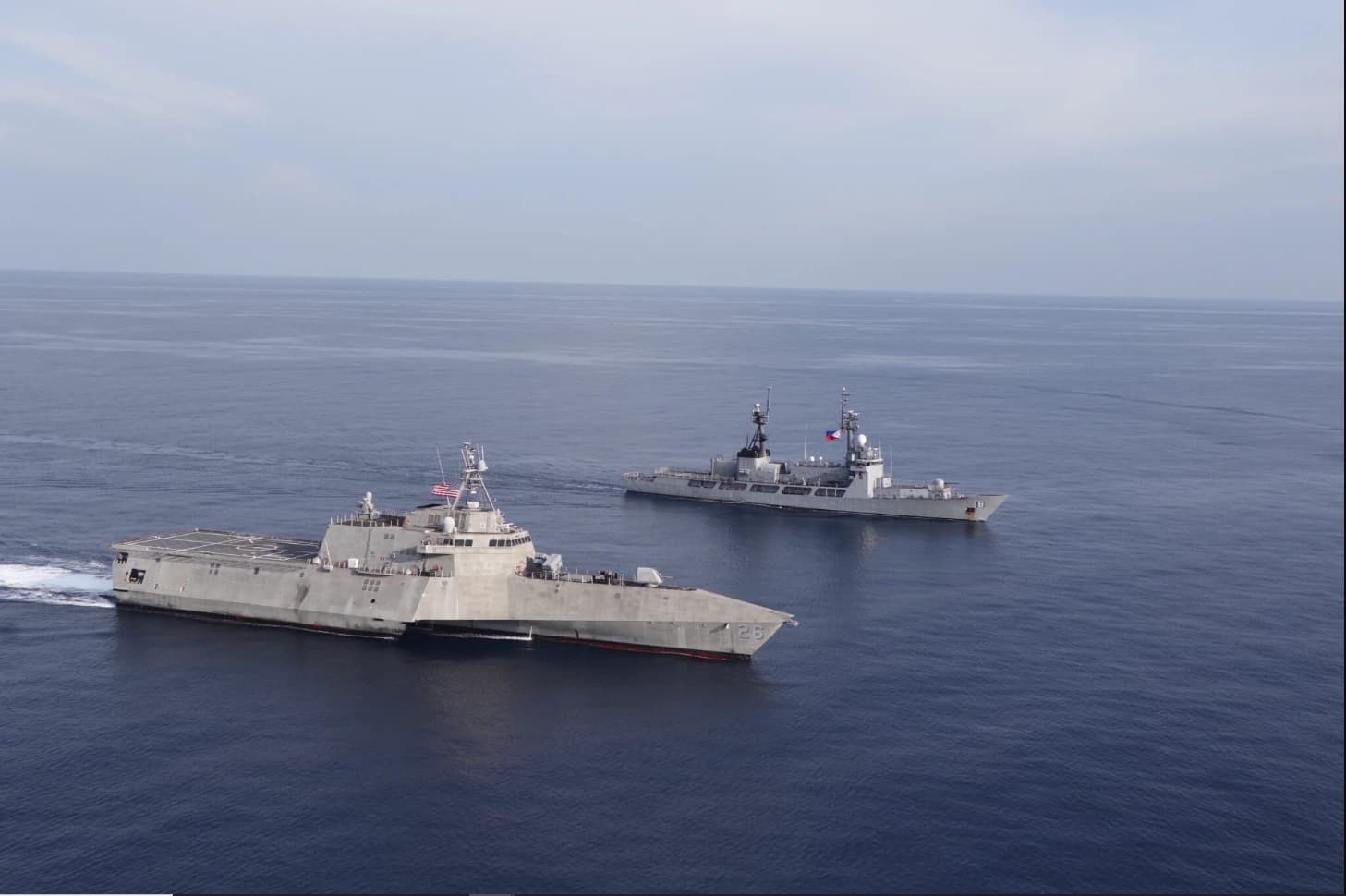
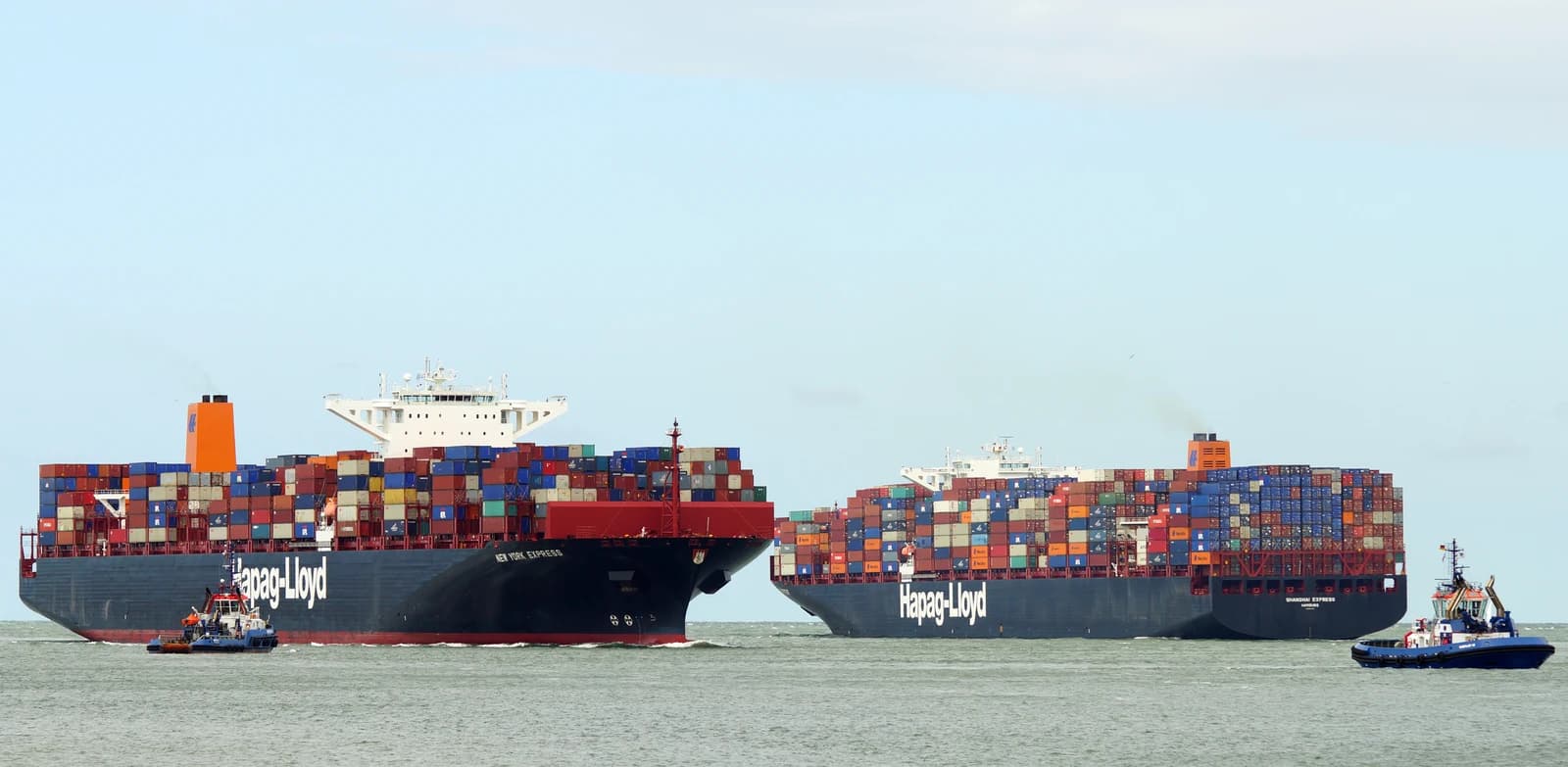
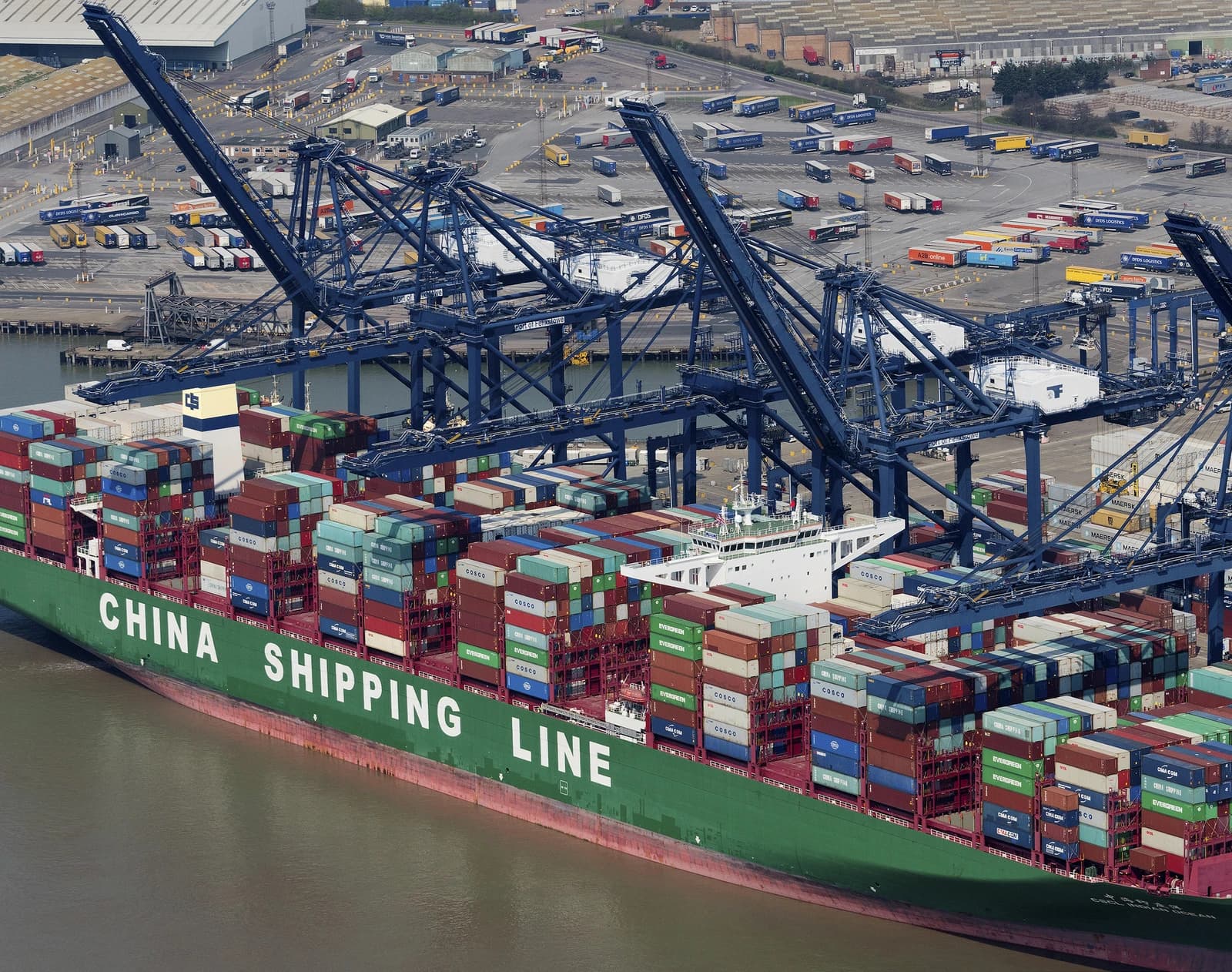
China and Djibouti have used a joint diplomatic statement to put freedom of navigation in the Red Sea back at the center of a widening security crisis, underscoring how fragile one of the world’s most important trade arteries has become just as conflict around Yemen flares again.
China, Djibouti Back Red Sea Freedom of Navigation
That matters because the Bab el-Mandeb Strait is the choke point between the Indian Ocean and the Suez Canal, and any sustained disruption ripples through energy, container, and dry-bulk trade routes that feed Europe and Asia. When major powers and littoral states start publicly emphasizing merchant-ship rights, investors should read it as a sign that rerouting costs, insurance premiums and war-risk pricing are still embedded in the market.
Sentiment Indicators
Beijing and Djibouti said all countries should enjoy freedom of navigation in the Red Sea and that merchant ships should be able to exercise navigation rights under international law. They also warned against worsening security risks and said outside powers should respect regional sovereignty and avoid unilateral sanctions and force.
The timing is the key. The statement came as the US State Department ordered some diplomats and family members to leave missions in Saudi Arabia after an escalation in Yemen, highlighting how the regional conflict triggered by the Israel-Iran confrontation is widening beyond the immediate battlefield. For shipping, that means the Red Sea remains a geopolitical live wire rather than a normalized transit corridor.
For investors, the market is still underpricing the second-order effects. Every fresh bout of Red Sea tension tends to support longer sailing distances, tighter vessel supply and firmer freight rates for carriers able to capture the reroute trade, while raising costs for importers, exporters and cargo owners exposed to the route. That has been a tailwind for selected tanker and shipping names, even as broader global trade remains vulnerable to any snapback in traffic.
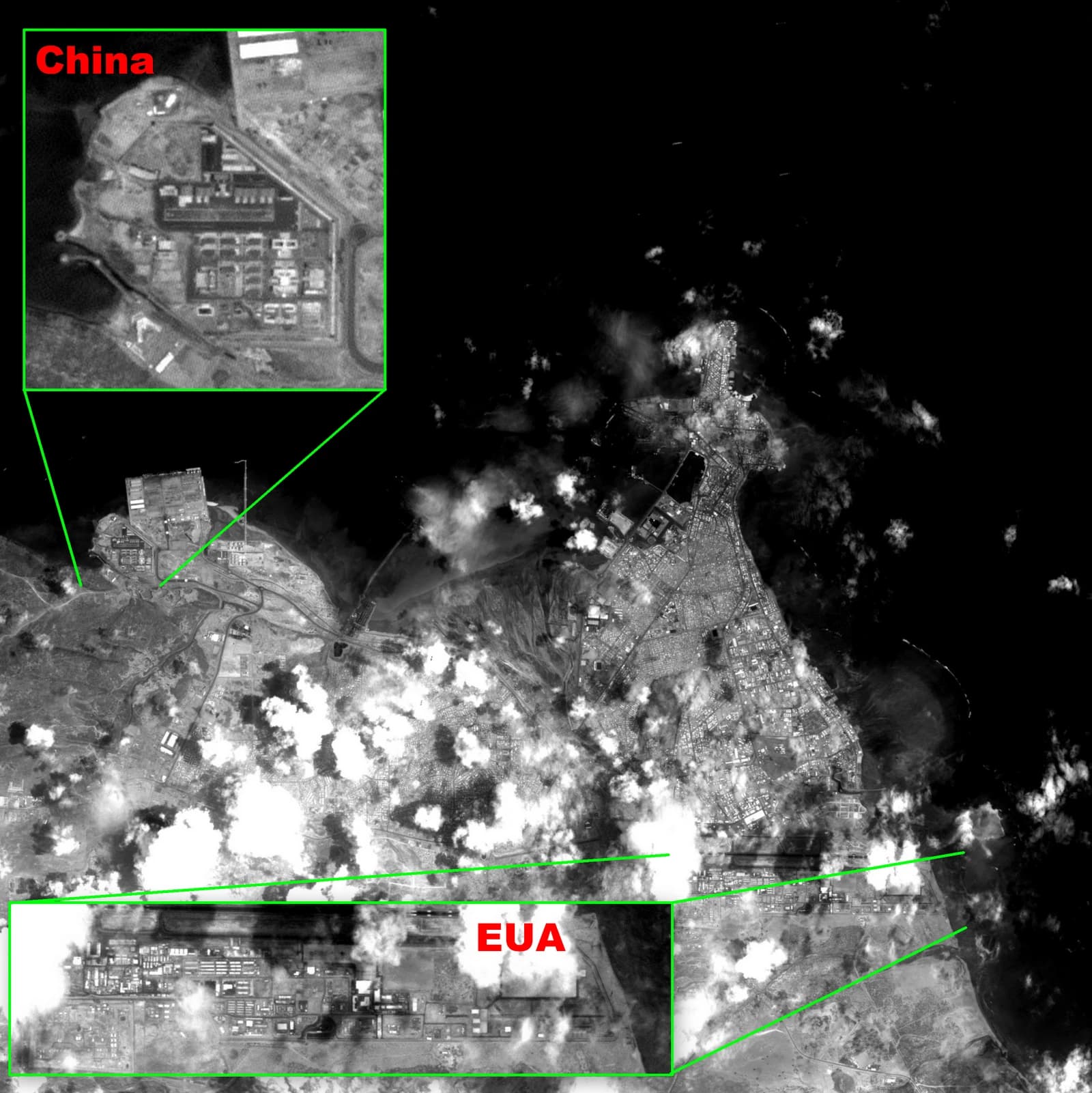
The strategic angle is even more important. Djibouti hosts Chinese, US, Japanese and French military facilities, making it a rare node where great-power competition and maritime security overlap. China’s public alignment with the principle of open navigation is as much about protecting commerce as it is about signaling that it wants a larger say in regional security governance.
The broader takeaway is that Red Sea risk is not disappearing; it is becoming a structural feature of global shipping. That keeps the case alive for beneficiaries of elevated freight volatility and for investors who want exposure to maritime bottlenecks, defense-linked logistics and shipping firms with pricing power. In this environment, the winners are the assets that move cargo through chaos, not the supply chains that assume calm.
| Entity | Gains | Losses |
|---|