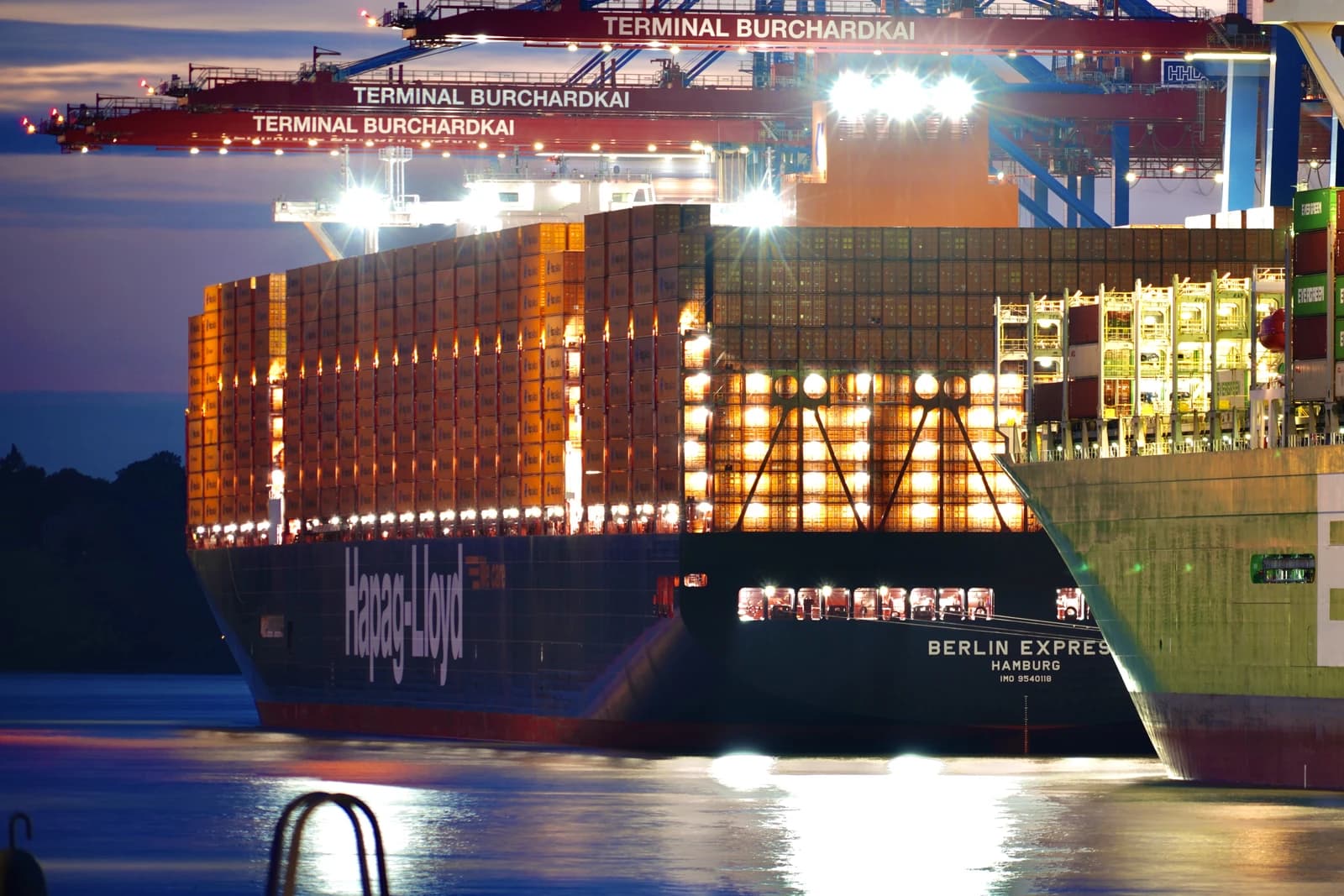
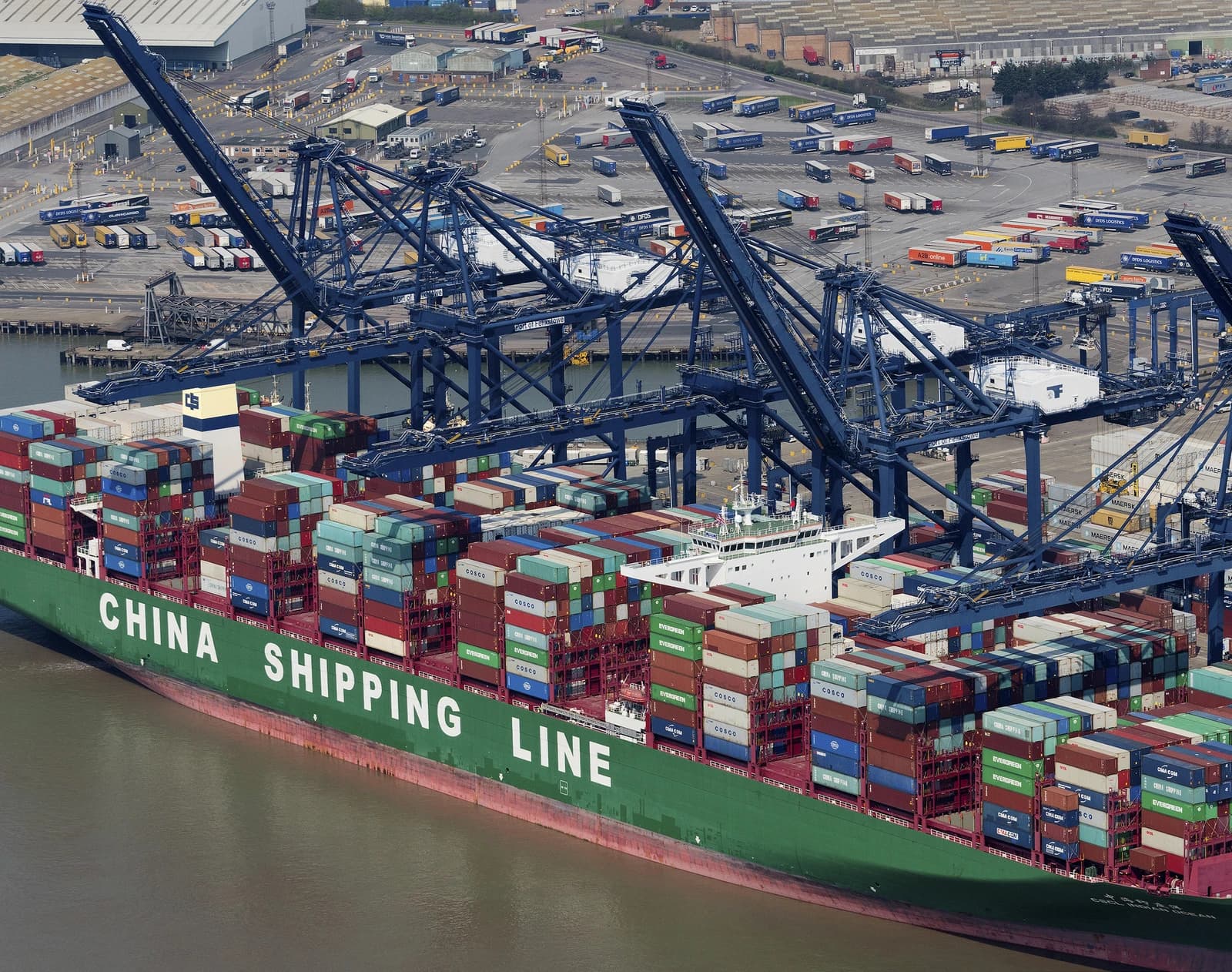
Cargo movement through the Pinglu Canal in Guangxi has crossed 1 million tons, underscoring how one of China’s newest inland-waterway projects is beginning to alter freight flows in the country’s south and strengthen links to the sea.
Pinglu Canal Cargo Tops 1 Million Tons
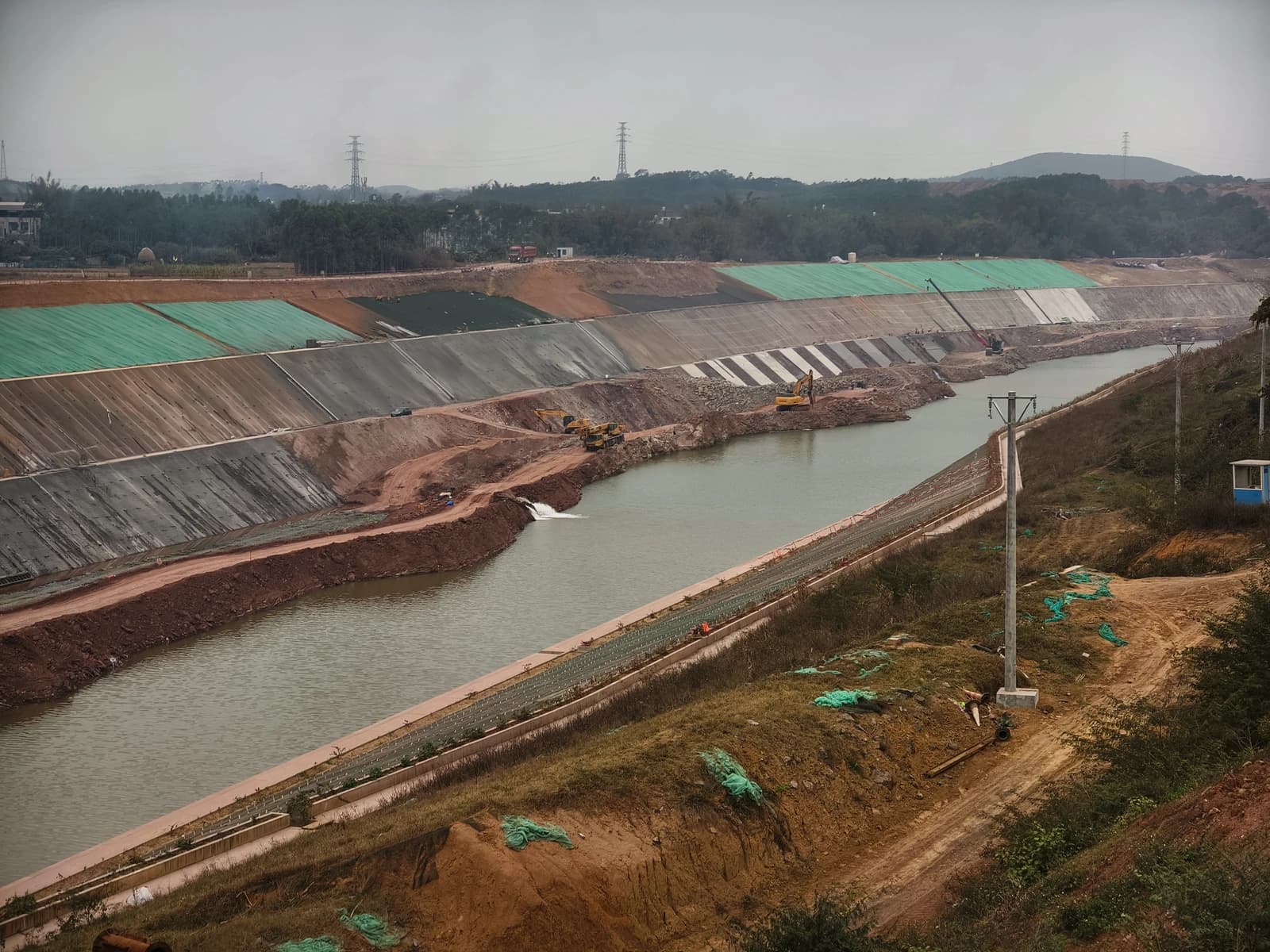
The milestone matters because the canal is designed to do more than add another shipping lane: it is meant to cut logistics costs, ease pressure on overland transport and give inland producers in Guangxi and nearby regions a cheaper route to export markets. In a country where transport efficiency still weighs heavily on industrial margins and trade competitiveness, even modest improvements in freight routing can have outsized economic effects.
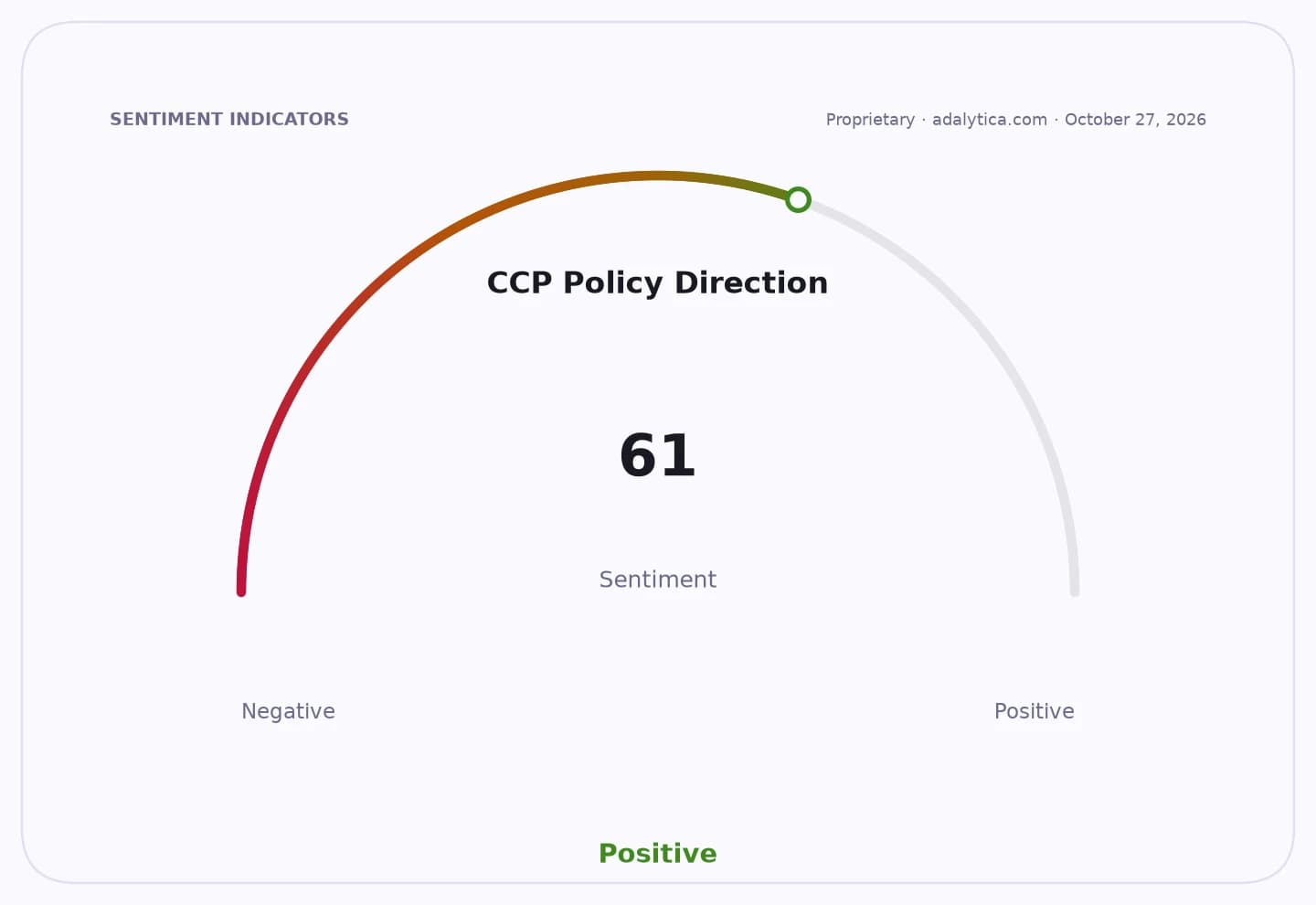
Sentiment Indicators
China’s push to modernize logistics has become more urgent as Beijing seeks to lower social logistics costs and make supply chains more resilient. The rollout of the country’s first national standard for smart freight centers points to the same policy direction — a broader effort to digitize and integrate transport hubs, ports and production bases. The Pinglu Canal fits that strategy by giving the southwest a more direct multimodal corridor to the Gulf of Tonkin and, by extension, to regional and global trade routes.
For investors, the significance lies in the operating leverage that better logistics can create across commodities, ports, shipping and industrial supply chains. Faster, cheaper freight movement can support volumes for coastal and inland ports, improve inventory turns for manufacturers and traders, and modestly lift demand for bulk shipping and related infrastructure services. It also reinforces the long-term case for capital spending in China’s logistics network even as growth remains uneven.
The canal’s early throughput does not yet prove a step-change in trade flows, but it does show the project is moving beyond construction into utilization. That matters in a market where infrastructure projects are often judged by whether they can generate sustained economic traffic rather than headline investment alone. If volumes continue to build, the Pinglu Canal could become a more meaningful link in China’s southbound trade architecture and a test case for how effectively Beijing can use transport investment to support growth.
| Entity | Gains | Losses |
|---|---|---|
| Guangxi exporters | ▲Lower transport costs | ▼Dependence on older routes |
| Port and logistics operators | ▲Higher freight volumes | ▼Idle inland capacity |
| Inland manufacturers | ▲Better market access | ▼Higher current logistics friction |
| Competing overland carriers | ▲None | ▼Some cargo diversion |