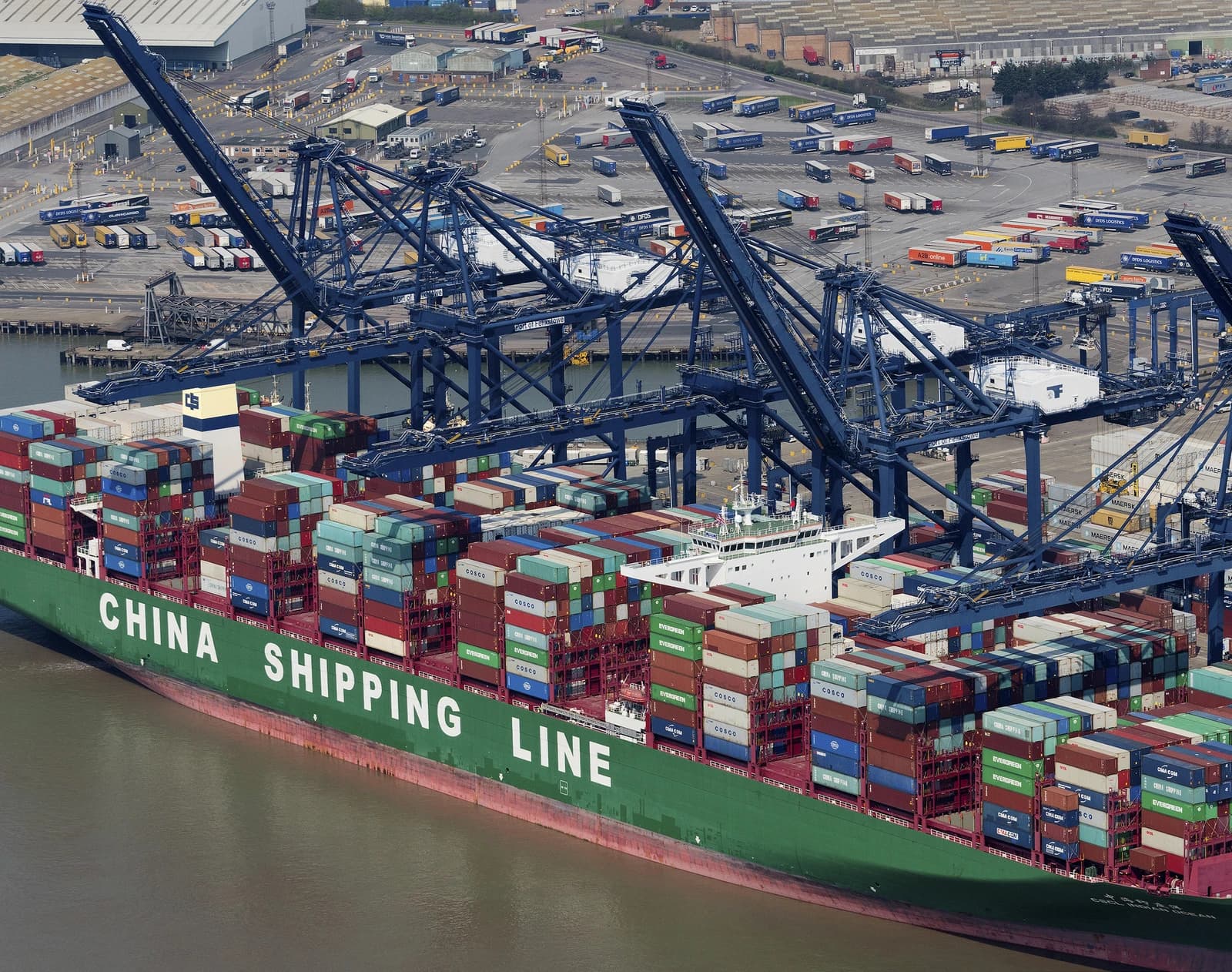
Hapag-Lloyd will add a new direct Asia–South Europe service connecting Shanghai and Xiamen with Morocco’s Tanger Med port, a move that strengthens one of the Mediterranean’s most important transshipment hubs and gives shippers a faster corridor into western Mediterranean and West African markets.
Hapag-Lloyd Adds Asia-South Europe Service via Tanger Med
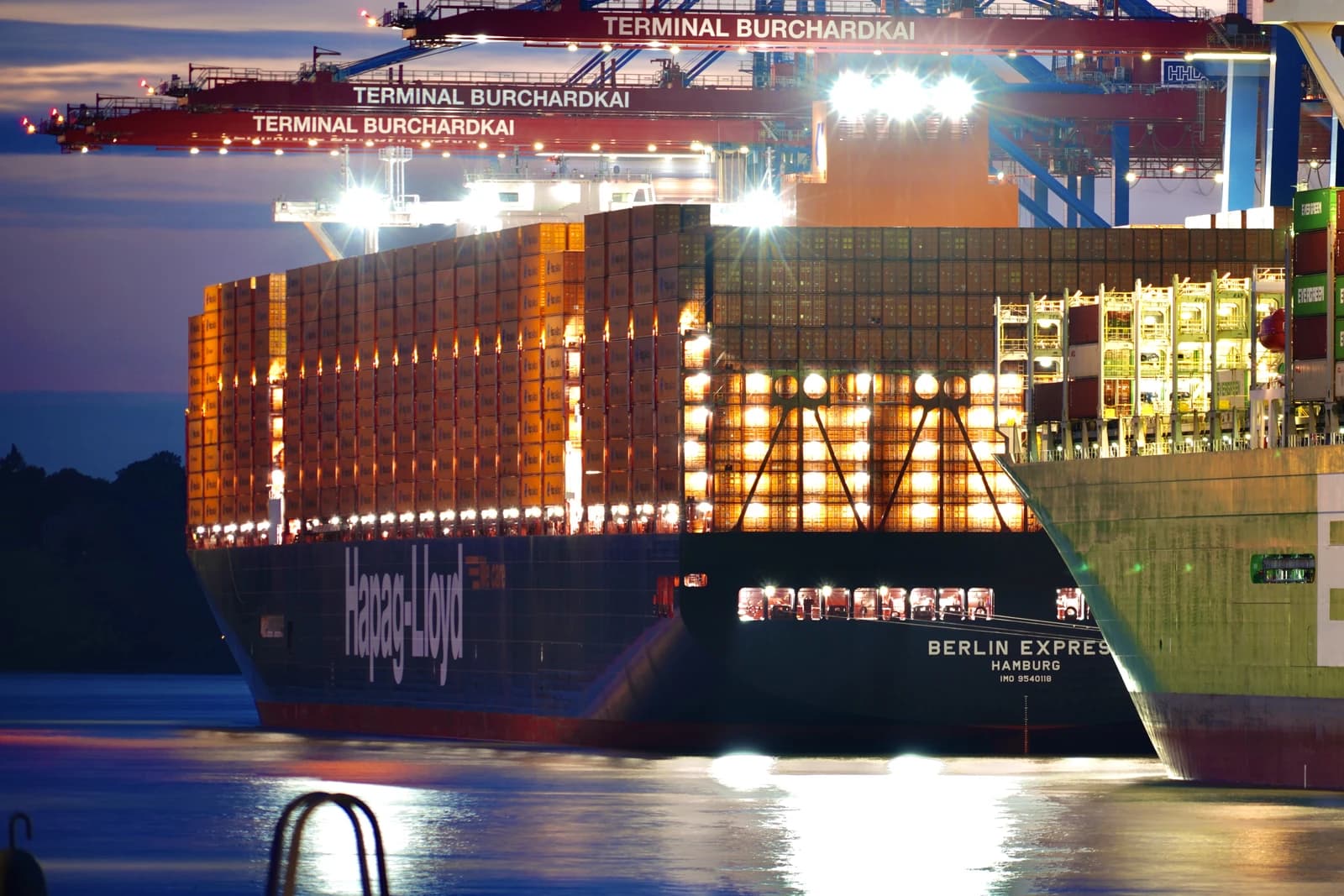
The new Asia South Europe 5 service, due to begin in November under Hapag-Lloyd’s Gemini Cooperation with Maersk, is less about a single route than about how carriers are redrawing global networks to improve hub connectivity and capture cargo flows that increasingly move through a small number of strategic choke points. Tanger Med, at the Strait of Gibraltar, sits on that shortlist.
Sentiment Indicators
For Morocco, the added service reinforces Tanger Med’s role as a logistics bridge between Asia, Europe and Africa. The port already benefits from its location on one of the world’s busiest maritime crossroads, and the new rotation should deepen its position as a gateway not just for Moroccan imports and exports but also for cargo moving onward to West Africa. That matters economically because logistics is one of Morocco’s key industrial assets: each new direct service tends to support port throughput, warehousing, inland transport and the broader export ecosystem around the Tanger region.
For Hapag-Lloyd, the route is part of a broader network reorganization rather than a standalone growth bet. The German carrier has been reshaping sailings with Maersk to improve vessel utilization and maintain service quality in a market where schedule reliability and port choices can determine whether a line wins premium cargo. Direct links from central and southern China to Tanger Med reduce dependence on less efficient relay options and give the carrier a stronger proposition for shippers serving North Africa and West Africa.
Investors should view the announcement as another sign that the container industry is still optimizing around strategic hubs rather than adding capacity indiscriminately. That is typically supportive for carriers with strong network discipline, but it also highlights the competitive importance of ports such as Tanger Med and the pressure on rival Mediterranean gateways to keep pace. For Morocco, it is a further endorsement of a port strategy that has turned Tanger Med into a regional platform for trade. For Hapag-Lloyd, the question is whether these network changes translate into durable yield support at a time when freight markets remain sensitive to trade swings, route reallocations and geopolitical disruption.
The next test will be utilization: if the new service fills quickly and supports downstream flows into West Africa, it will underline Tanger Med’s growing strategic value. If not, it will still mark another step in the industry’s shift toward fewer, larger, better-connected maritime hubs.
| Entity | Gains | Losses |
|---|---|---|
| Hapag-Lloyd | ▲stronger Asia–Mediterranean network | ▼weaker role for older routings |
| Tanger Med | ▲more transshipment volume | ▼rival Mediterranean ports |
| Moroccan logistics sector | ▲higher trade activity | ▼fewer spillovers elsewhere |
| Rival carriers/ports | ▲— | ▼pressure on hub relevance |