DSV’s airfreight business lost momentum in the third quarter as weak European activity, lower Asia-Pacific-to-Europe e-commerce flows and cargo shifting from air to sea pulled volumes down 3% from a year earlier.
DSV Airfreight Volumes Fall 3% in Q3
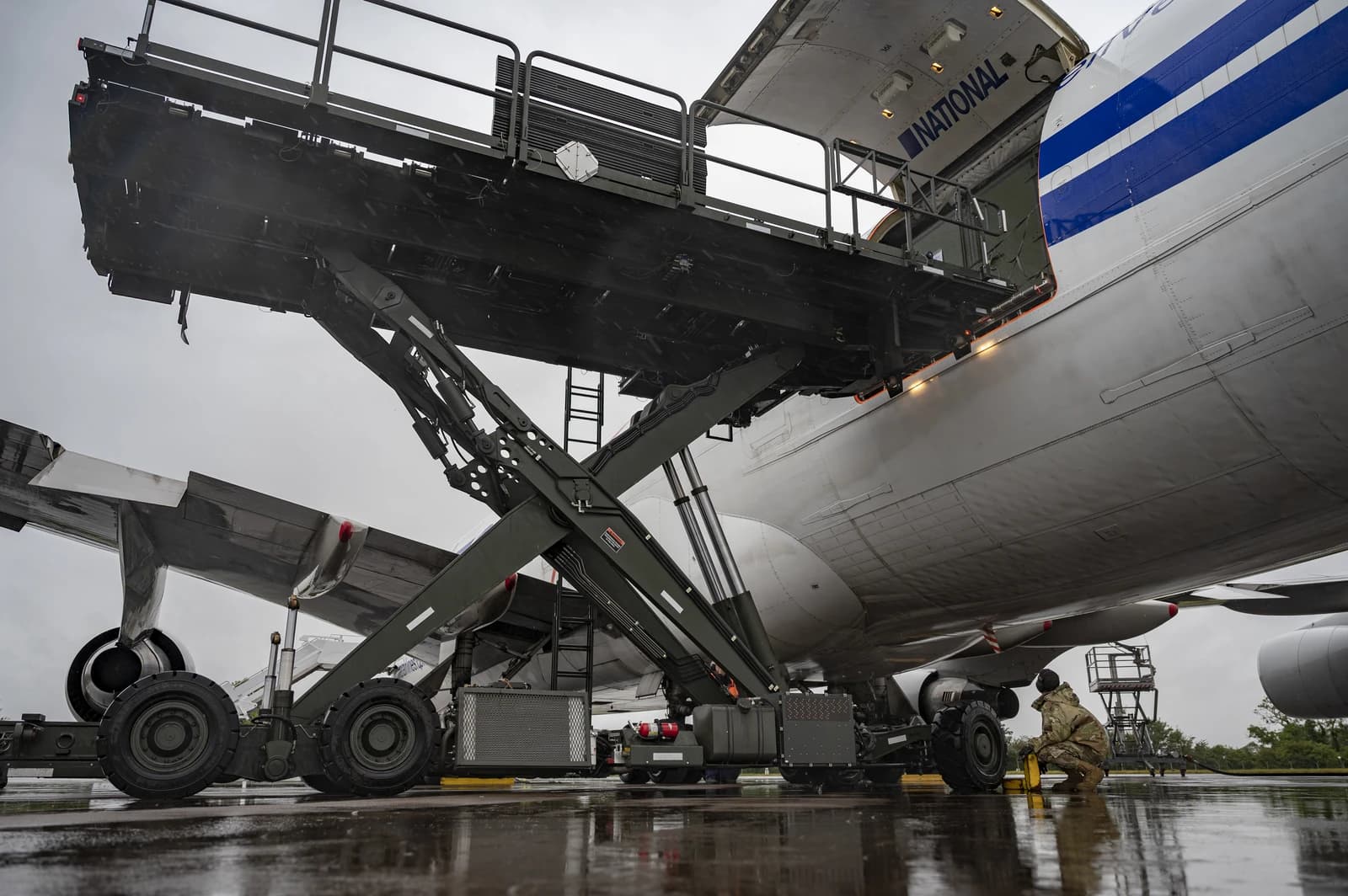
The Denmark-based freight forwarder said air volumes fell to 560,890 tonnes, even as first-nine-month volumes were still up 15% year on year, underscoring how uneven demand remains across trade lanes. For investors, the bigger takeaway is that pricing and mix are doing more of the work than volume growth in a freight market still distorted by geopolitical disruption and shifting customer behavior.
Sentiment Indicators
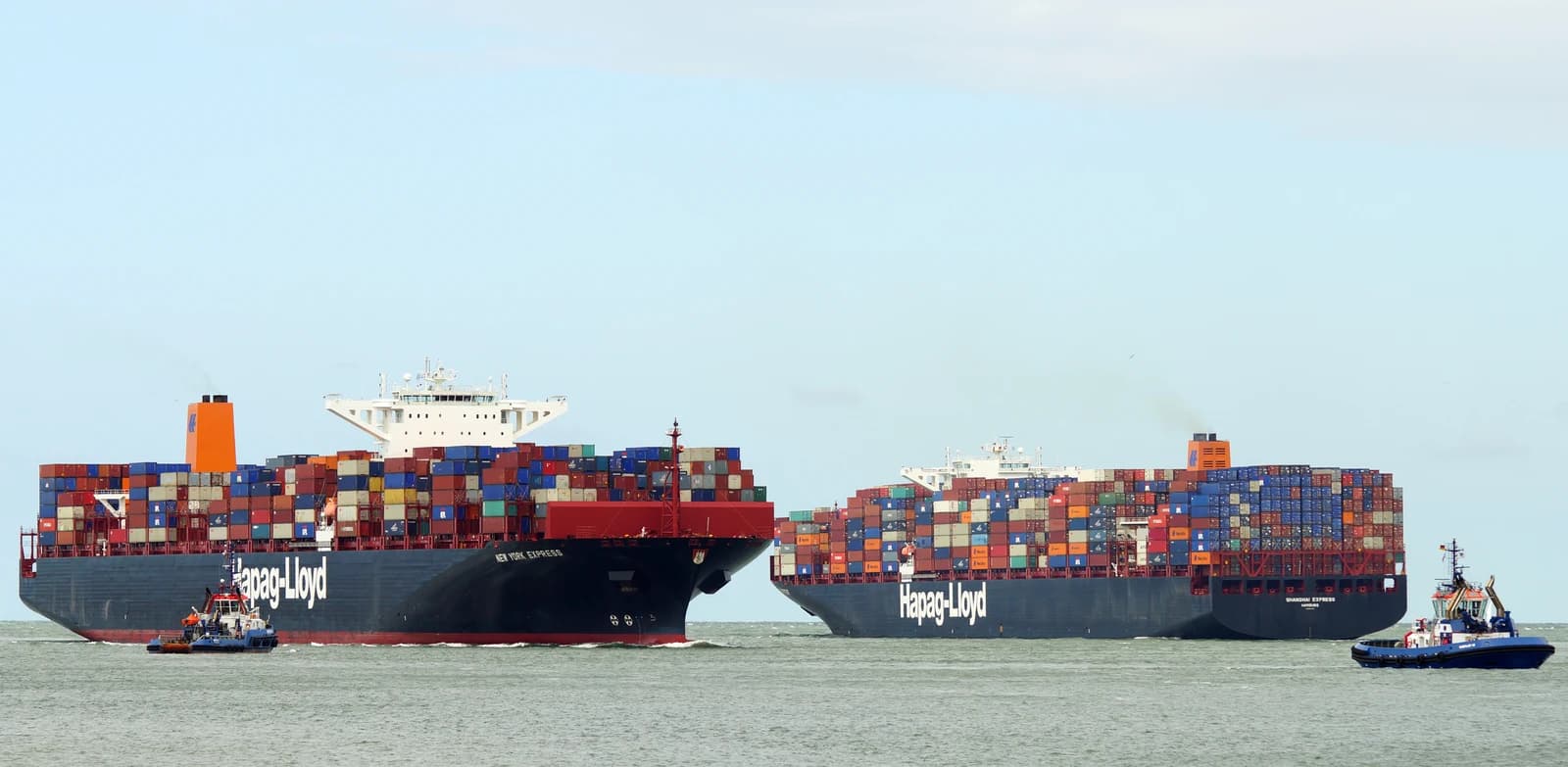
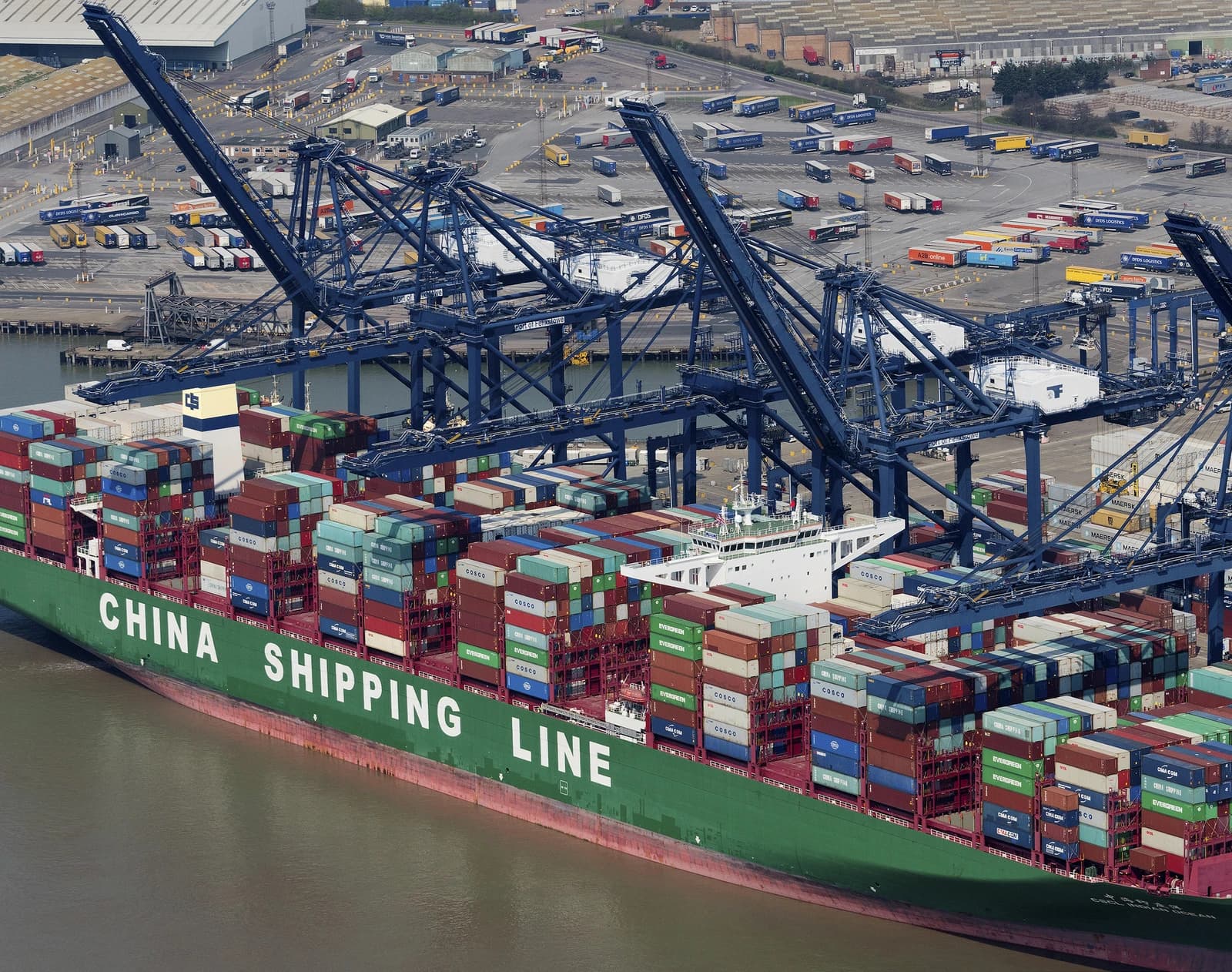
DSV said reduced e-commerce shipments on the Asia Pacific-Europe route and softer-than-expected Europe-to-Asia traffic hurt the quarter, while yield-management initiatives also restrained volumes. Shippers moving cargo from air to sea added to the drag, even as technology-related demand in Asia Pacific and North America provided some offset.
The Middle East conflict continues to complicate global air cargo networks, pushing up costs, forcing rerouting and reducing effective capacity. That keeps the market volatile, and helps explain why DSV could post a 16.6% rise in airfreight revenue to Dkr24.6 billion even as tonnage slipped, with air gross profit up 4.3% to Dkr5 billion and average gross profit yields up 8% in constant currencies.
At group level, revenue rose 12% to Dkr80.6 billion and gross profit increased 2.3% to Dkr20.3 billion, showing DSV is still extracting value from rate and surcharge recovery. The air and sea division revenue climbed 15.9% in constant currencies to Dkr45.5 billion, mainly on stronger freight rates, though sea gross profit fell 4.2% and group-wide gross profit was held back by lower volumes and service transfers.
Chief executive Jens Lund said DSV delivered earnings growth in a volatile market and remains focused on integrating Schenker, realizing synergies and investing in AI, technology and network optimization. That integration is still largely on track, but the company said some Road synergies will be delayed into 2027 after operational issues in Europe, a reminder that execution risk remains a live issue even as freight markets stabilize.
For investors, the quarter points to a freight cycle where yield discipline and network efficiency matter more than broad-based volume expansion. The next test will be whether DSV can keep margins moving higher while Europe stays soft and Asia-Europe e-commerce remains subdued.
| Entity | Gains | Losses |
|---|---|---|
| DSV airfreight pricing | ▲Higher yields, surcharge recovery | ▼Lower tonne growth |
| Sea freight operators | ▲More cargo conversion from air to sea | ▼Air cargo volumes |
| Technology shippers in APAC/North America | ▲Stronger demand support | ▼N/A |
| DSV Road integration timeline | ▲Slower synergy recognition | ▼Operational disruption in Europe |