Global transport is getting more expensive, and the market is still underestimating how long that pain can last. The warning from the head of the world’s biggest logistics company is not just about freight rates — it is about a structural shift in how goods move, how quickly they arrive and how much margin retailers and parcel carriers will be able to keep.
DSV logistics costs rise on geopolitics and freight
The key change is that logistics is no longer a background efficiency game. Geopolitical risk, tighter capacity and rising fuel-linked transport costs are pushing supply chains toward resilience over speed, and that means consumers should expect fewer next-day deliveries and higher prices for the privilege of faster service. For investors, that is a margin story first and a demand story second.
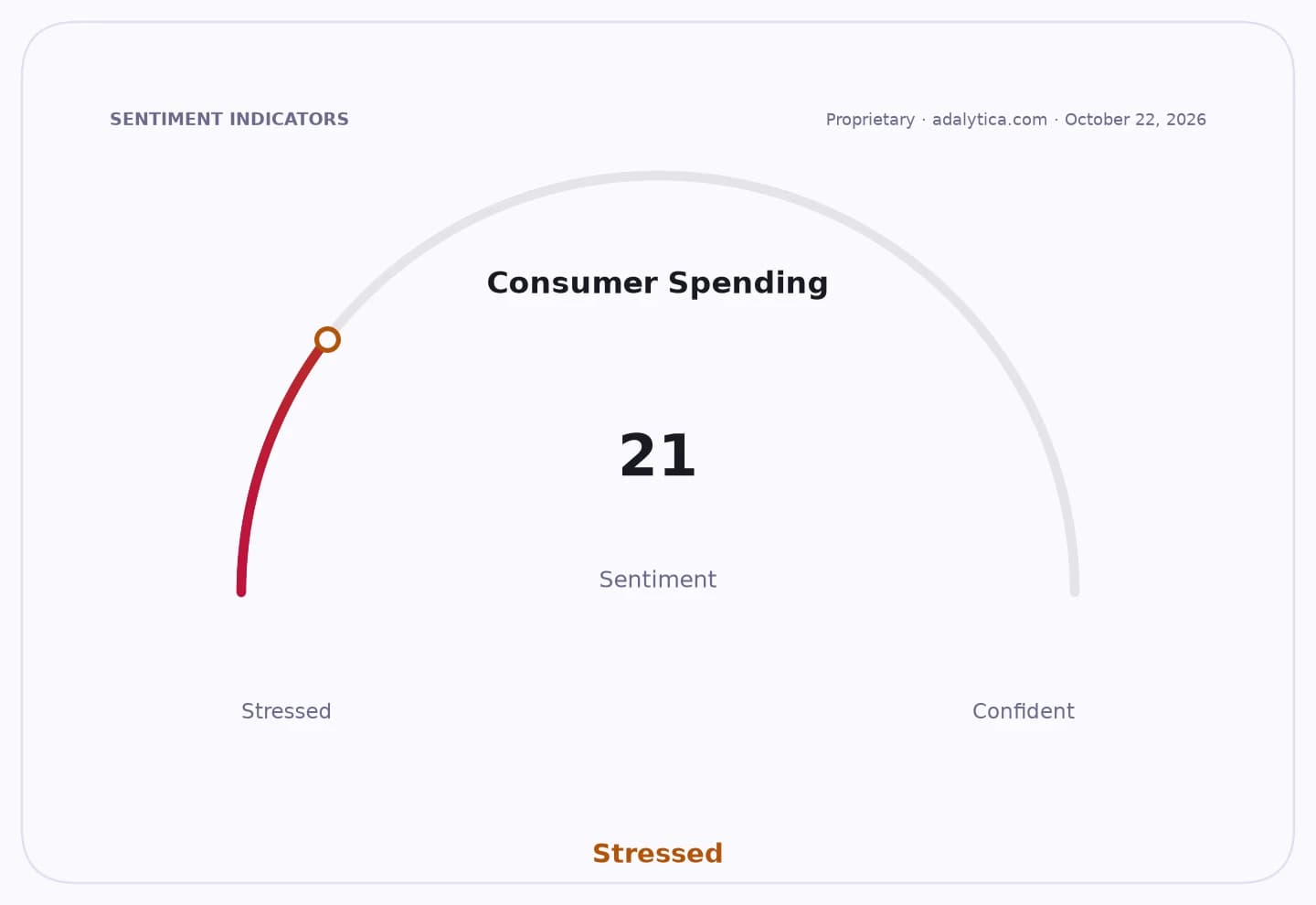
Sentiment IndicatorsⓘProprietary · adalytica.com · October 22, 2026
This is a snapshot — live sentiment, awareness and momentum for 130+ markets update continuously in the dashboard.Open AlphaPulse
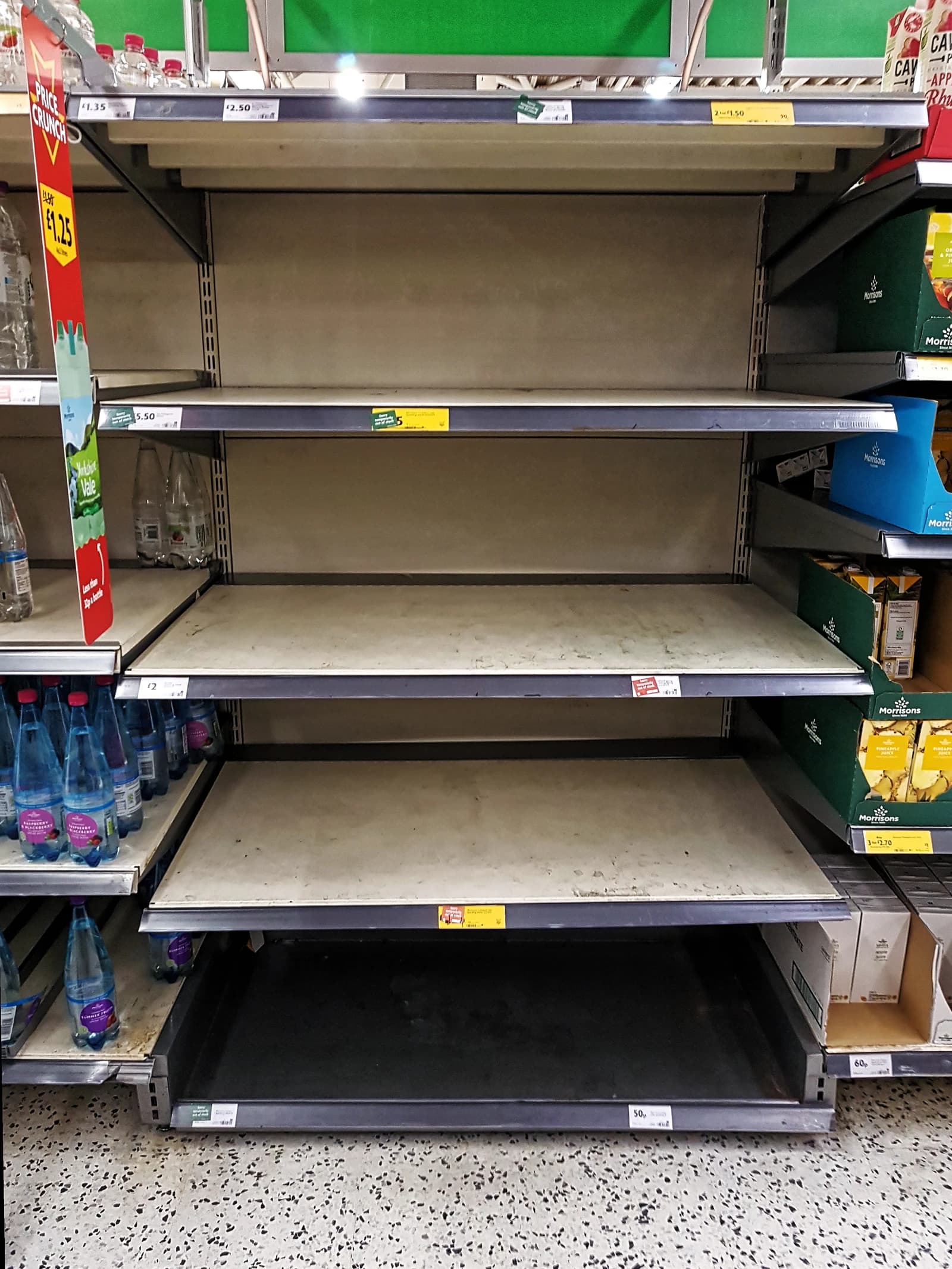
Tomáš Holomoucký, who runs DSV’s contract logistics unit in the Czech Republic and has spent more than three decades in the business, said transport will become more expensive and that “people will no longer have goods at home the next day.” That is the market’s real tell: the era of frictionless, ultra-cheap express delivery is giving way to a system that must price in disruption, rerouting and inventory buffers.
The backdrop is a logistics sector reshaped by the merger of DSV and Schenker, creating the world’s largest transport company after Deutsche Bahn sold Schenker for more than 14 billion euros. That consolidation matters because scale now has strategic value. In a world of brittle trade routes and volatile energy costs, the winners will be the operators with the balance sheet, network density and pricing power to absorb shocks and pass them through.
The economics are already visible in the transport complex. Goldman Sachs recently said crude oil shipping costs have jumped sevenfold as tensions around the Strait of Hormuz raised the risk premium on global energy flows. That is not an isolated oil-market event; it feeds straight into diesel, linehaul costs and the all-in rate structure that underpins parcel delivery and freight forwarding. China-to-Europe and transatlantic lanes are not immune either. Every detour, delay and security surcharge compounds the expense of moving goods.
That helps explain why investors should be thinking about logistics as a toll-road business again. Freight carriers can benefit if they have pricing leverage, but shippers, retailers and the most delivery-promised consumer brands face a tougher equation. Amazon, for example, disclosed in its latest filing that shipping costs remain embedded in cost of sales and fulfillment expense, a reminder that last-mile convenience is never free. UPS and FedEx sit on the other side of that trade-off: if rates rise enough to offset volume pressure, margins can recover, but if customers push back on price or trade down from express service, the revenue mix weakens.
The market backdrop argues that this re-pricing has room to run. UPS shares have rebounded sharply from a deep oversold stretch, but the stock remains below its 200-day moving average, a sign investors have not fully bought the medium-term thesis yet. FedEx, by contrast, has staged a powerful recovery and trades above its 200-day average, suggesting the market is already starting to reward the idea of better pricing discipline and a tighter parcel environment. Amazon’s stock has also been volatile around logistics costs, reflecting the tension between e-commerce growth and delivery expense.
The bigger investment takeaway is that supply-chain optionality is becoming more valuable than pure speed. That favors integrated logistics platforms, warehouse automation, freight brokers, and select industrial names tied to storage, routing and fleet efficiency. It also argues for caution on businesses whose consumer proposition depends on ever-cheaper next-day fulfillment. In the next phase of the logistics cycle, resilience will command a premium, and that premium is likely to show up in pricing, inventory strategy and capital allocation long before it shows up in headline delivery promises.
For investors, the opportunity is to own the picks-and-shovels of a more expensive, more fragmented transport system — and to avoid assuming that the old delivery model will simply snap back once the geopolitical noise fades.
| Entity | Gains | Losses |
|---|---|---|
| DSV | ▲Pricing power | ▼Cheap-speed e-commerce |
| UPS | ▲Higher freight rates | ▼Margin pressure from demand slowdown |
| FedEx | ▲Network leverage | ▼Shippers seeking lower-cost delivery |
| Amazon | ▲Scale in logistics | ▼Rising fulfillment costs |