Amazon’s warehouse workers in Lauwin-Planque are using traffic slowdowns and protests to force a bigger conversation about pay, staffing and working conditions — and that matters because Europe’s logistics network is already under strain from rising labor costs, fragile consumer demand and tighter margin discipline.
Amazon Warehouse Workers Protest in Lauwin-Planque
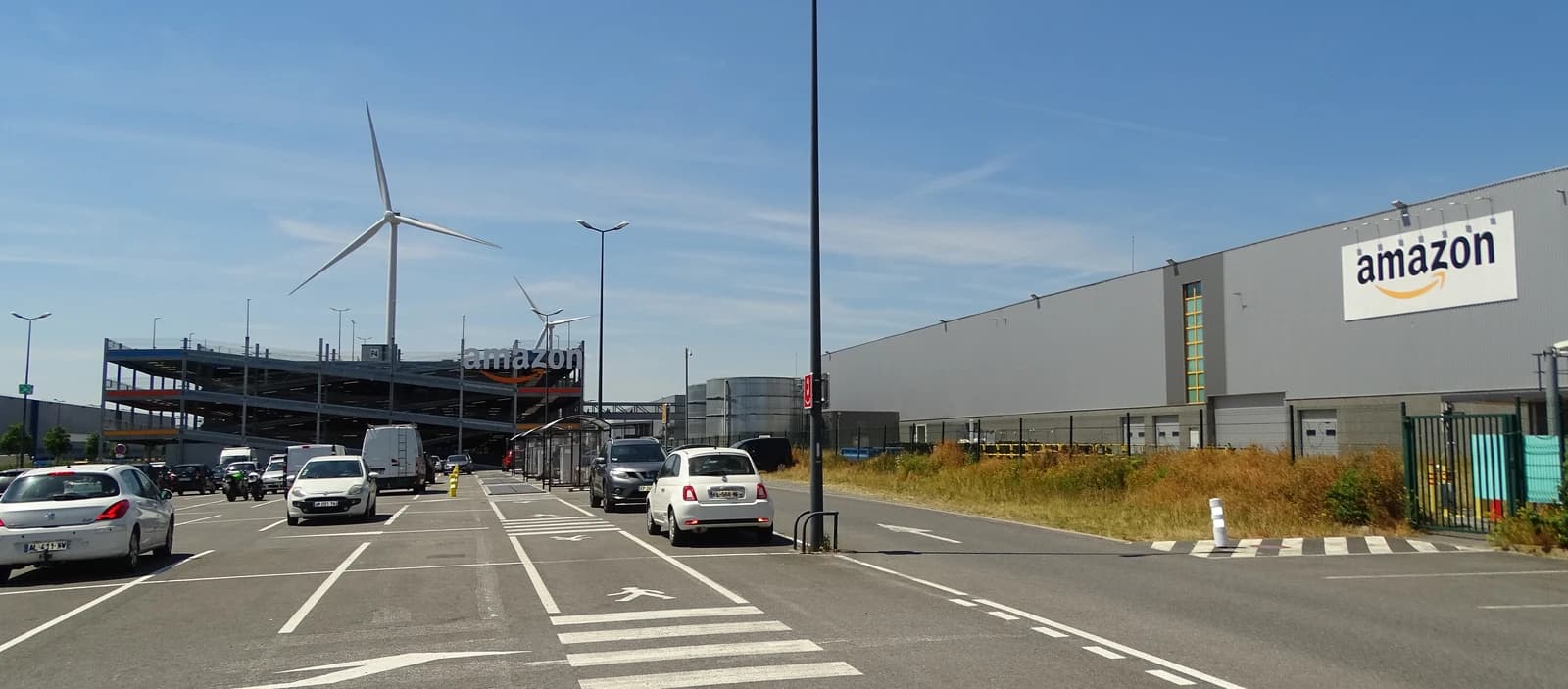
The protest is not just a local labor dispute. For Amazon, fulfillment is the engine of its retail flywheel, and even brief disruptions can ripple through delivery times, shipping costs and service reliability in a business where efficiency is everything. Amazon’s own filings warn that failure to hire, train and retain enough personnel can raise payroll and other costs and damage operations. In other words, labor unrest hits right at the most sensitive part of the model: the last mile.
Sentiment IndicatorsⓘProprietary · adalytica.com · October 19, 2026
This is a snapshot — live sentiment, awareness and momentum for 130+ markets update continuously in the dashboard.Open AlphaPulse
That is why investors should care. Amazon has spent years turning scale into a structural advantage, but the market is increasingly paying for that scale with more scrutiny on operating leverage. If labor tensions spread across additional European sites, the company could face higher wage pressure, more scheduling friction and occasional fulfillment bottlenecks just as consumers remain cautious and discretionary demand remains uneven. The stock has been volatile, and while Amazon still sits above its 200-day moving average, the shares are not priced for a fresh margin headache.
The broader setup is even more important. Labor unrest in France often becomes a proxy for a wider European pushback against cost discipline, automation and restructuring. For Amazon, that creates a strategic tradeoff: accelerate automation and capital spending, or accept higher labor intensity and lower margins in the near term. Either path can support the long-term investment case, but both require more capex and patience from shareholders.
At the same time, the market is missing the second-order winners. Any sustained pressure on Amazon’s fulfillment economics strengthens the case for automation, robotics, warehouse software and logistics technology suppliers that can help squeeze more throughput out of each site. It also favors companies with less labor exposure and more asset-light distribution models. For investors, the message is clear: the labor fight in Lauwin-Planque is not a sideshow. It is another reminder that the next phase of e-commerce competition will be won by whoever can move goods faster, cheaper and with fewer people.
| Entity | Gains | Losses |
|---|---|---|
| Labor unions / workers | ▲Bargaining leverage | ▼Short-term disruption risk |
| Amazon | ▲Long-term automation push | ▼Near-term margin pressure |
| Robotics / warehouse tech suppliers | ▲Higher demand | ▼None directly |
| Consumers / merchants | ▲Potential long-term service gains | ▼Possible delivery delays |