Global shipping is facing a more dangerous operating environment, and Greek Shipping and Maritime Affairs Minister V. Kikilias used the North Bund Forum in Shanghai to argue that only international cooperation can keep trade moving.
Global Shipping Risks Rise on Black Sea, Hormuz
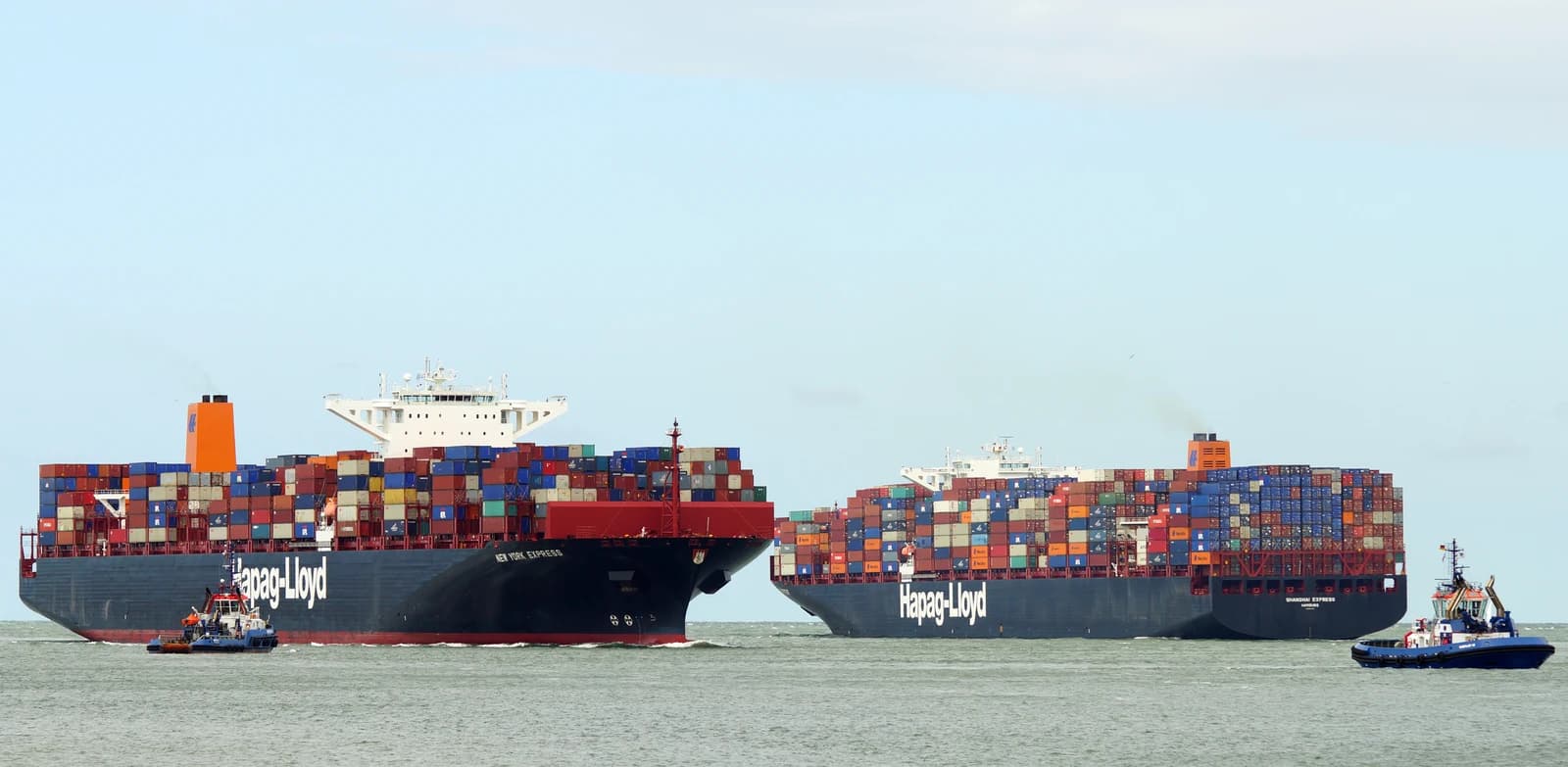
That message matters because shipping is the plumbing of the world economy: any sustained disruption in key waterways, port access or vessel security quickly feeds into freight costs, insurance premiums, delivery times and, eventually, inflation. The latest backdrop is uncomfortably volatile, with an oil ship exploding in the Strait of Hormuz after hitting a sea mine on an illegal route, while six vessels have reportedly refused to dock at Bulgarian ports because of drone attacks in the Black Sea.
Sentiment Indicators
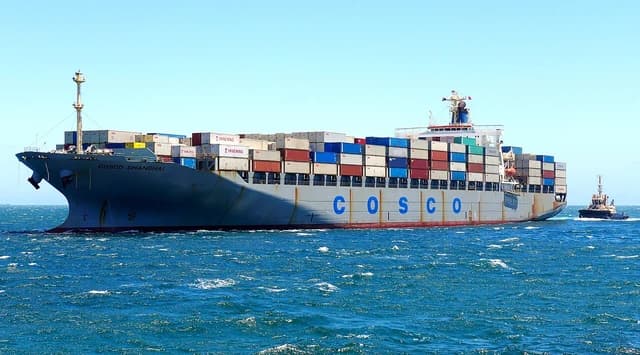
For investors, the immediate implication is that maritime risk is no longer a tail event. It is becoming part of the baseline for pricing freight, defense-related logistics, port operations and energy transport. Higher risk tends to favor carriers and shipowners with pricing power and diversified routes, while pressuring cargo owners, importers and sectors reliant on just-in-time supply chains.
The North Bund Forum remarks also sit against a broader geopolitical push to harden shipping and shipbuilding capacity. The US and Denmark have signed an agreement to modernize American shipbuilding yards, underscoring how governments are linking commercial shipping resilience with naval readiness and industrial policy.
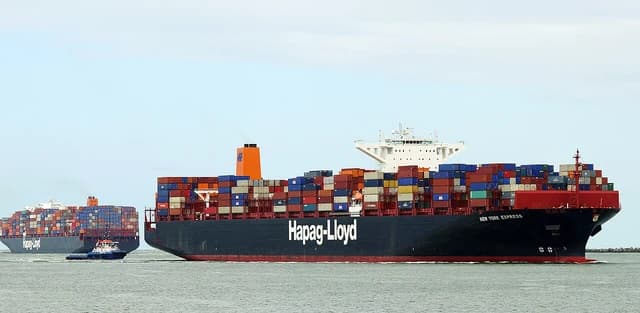
There are pockets of resilience in the freight market. Maritimers and investors alike have been watching tight transpacific supply conditions and firm freight rates, with some carriers still able to keep services near capacity during peak periods. But those benefits can be offset quickly if security risks expand in the Black Sea, the Persian Gulf or other strategic lanes, forcing rerouting and disrupting cargo flows.
The bullish case for shipping equities is straightforward: tighter supply, rerouting and higher security costs can support rates and lift earnings for operators with exposed assets. The bearish case is that escalating geopolitical friction may eventually undermine volumes, raise operating costs and trigger more government intervention, leaving smaller or more exposed players carrying the heaviest burden.
For now, Kikilias’ appeal for cooperation reflects the central investment question in global shipping: whether the industry can manage a patchwork of regional conflicts without a broader breakdown in trade reliability. The answer will determine freight pricing, vessel utilization and the cost of moving goods across the world economy in the months ahead.
| Entity | Gains | Losses |
|---|---|---|
| Large shipowners | ▲Higher freight rates | ▼Volatile operating costs |
| Cargo owners/importers | ▲Supply certainty | ▼Higher transport bills |
| Ports in secure hubs | ▲More redirected traffic | ▼Missed volume at riskier ports |
| Governments/NATO-linked shipbuilders | ▲Stronger maritime capacity | ▼Higher defense and industrial spending |