Iran has asked Russia to strengthen its Caspian Sea ports, a move that underscores how the two countries are trying to harden a trade corridor that is becoming more important as sanctions, shipping risk and regional instability push commerce away from traditional routes.
Iran asks Russia to upgrade Caspian ports
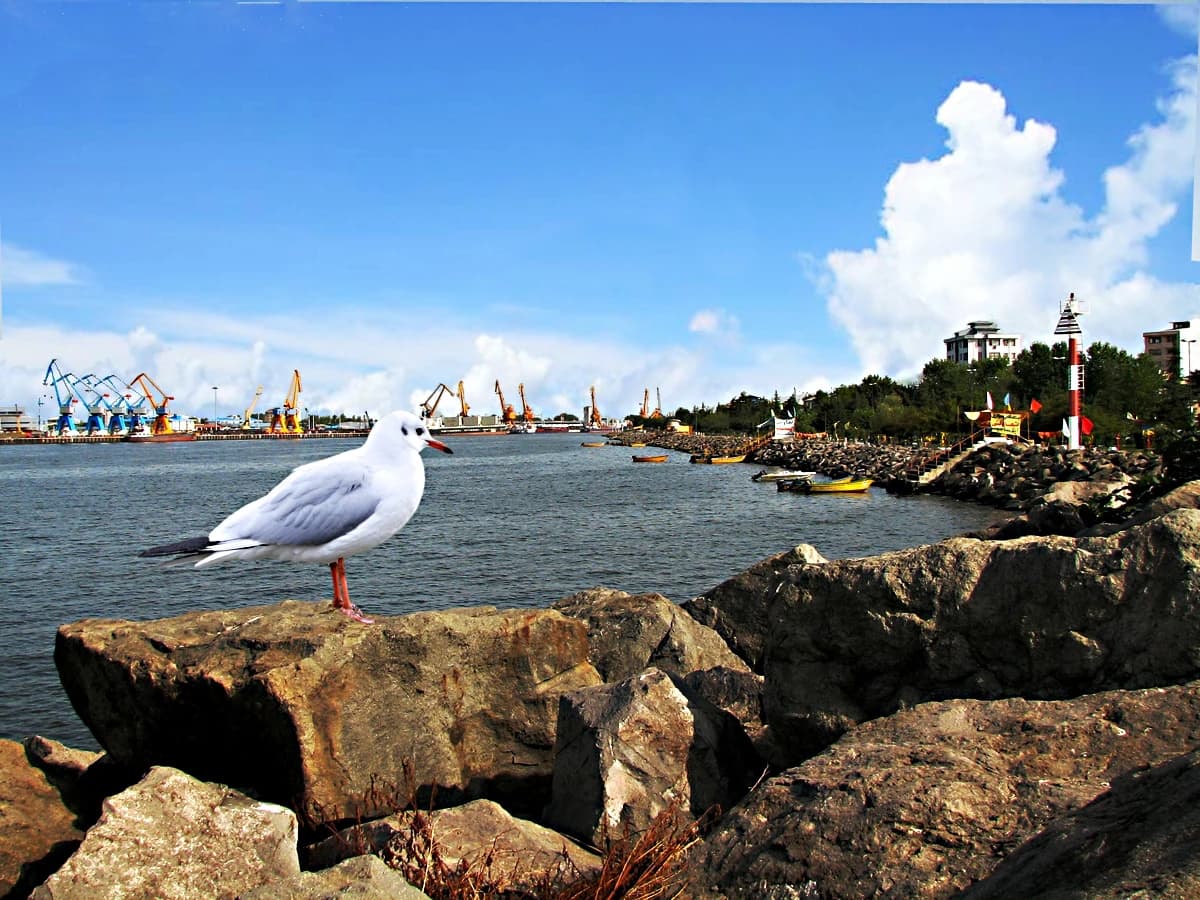
The request, made by Iranian First Vice-President Mohammad Reza Aref during a meeting with Russian Prime Minister Mikhail Mishustin, points to a practical agenda rather than a symbolic one: both sides want more reliable maritime links across the Caspian to keep bilateral trade moving even as wider transport networks face disruption. Aref said Tehran has already been reinforcing its own southern Caspian ports and wants Moscow to do the same on the Russian side to ensure “sustainable trade routes.”
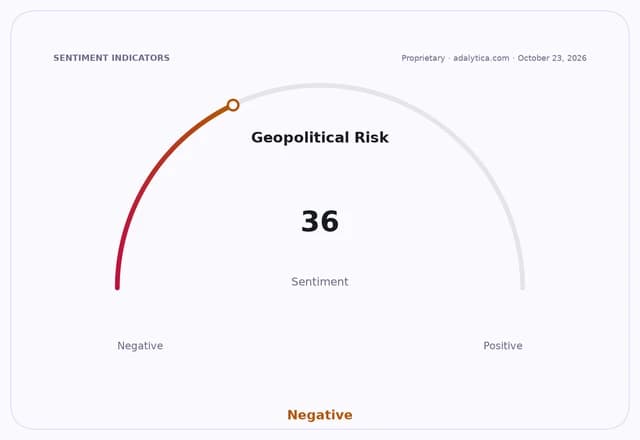
That matters economically because the Caspian is part of the broader north-south logistics network linking Russia, Iran and markets further afield. If port capacity, loading speed and handling infrastructure improve, the route could become a more useful channel for cargo that is being diverted from longer or more vulnerable sea lanes. For both countries, better ports can reduce bottlenecks, lower freight costs and improve resilience in trade that is increasingly shaped by geopolitics rather than pure economics.
For investors, the development is relevant less as a one-day market catalyst than as a signal of how sanctions-era trade patterns are adapting. Infrastructure spending around the Caspian could benefit shipping, port services, construction and logistics providers tied to Russia-Iran commerce, while also reinforcing the role of the two countries in creating alternative transport corridors. At the same time, the project’s commercial payoff depends on execution: port upgrades only matter if customs, rail links, insurance and vessel access improve in tandem.
The timing also fits a wider backdrop of maritime stress. Recent disruptions elsewhere, including attacks and blockages at ports in other regions, have highlighted how quickly shipping chokepoints can turn into economic pressure points. Against that backdrop, Tehran’s push to fortify Caspian ports suggests both governments are treating transport infrastructure as strategic economic security.
The key question now is whether the two sides can turn political alignment into operational capacity. If they do, the Caspian could become a more consequential trade artery; if not, it will remain a corridor with geopolitical promise but limited commercial scale.
| Entity | Gains | Losses |
|---|---|---|
| Iran and Russia | ▲More resilient trade routes | ▼Less dependence on exposed lanes |
| Port and logistics operators | ▲Infrastructure spending | ▼Operational bottlenecks |
| Regional exporters | ▲Faster cargo movement | ▼Higher costs if upgrades lag |
| Rival transport corridors | ▲— | ▼Potential share of transit flows |