Russia and Iran are aiming to start construction of the long-delayed Rasht-Astara railway in northern Iran in 2027, a project that would tighten a key trade link between Russia and the Persian Gulf and could reshape freight flows across the International North-South Transport Corridor.
Russia, Iran plan Rasht-Astara railway start in 2027
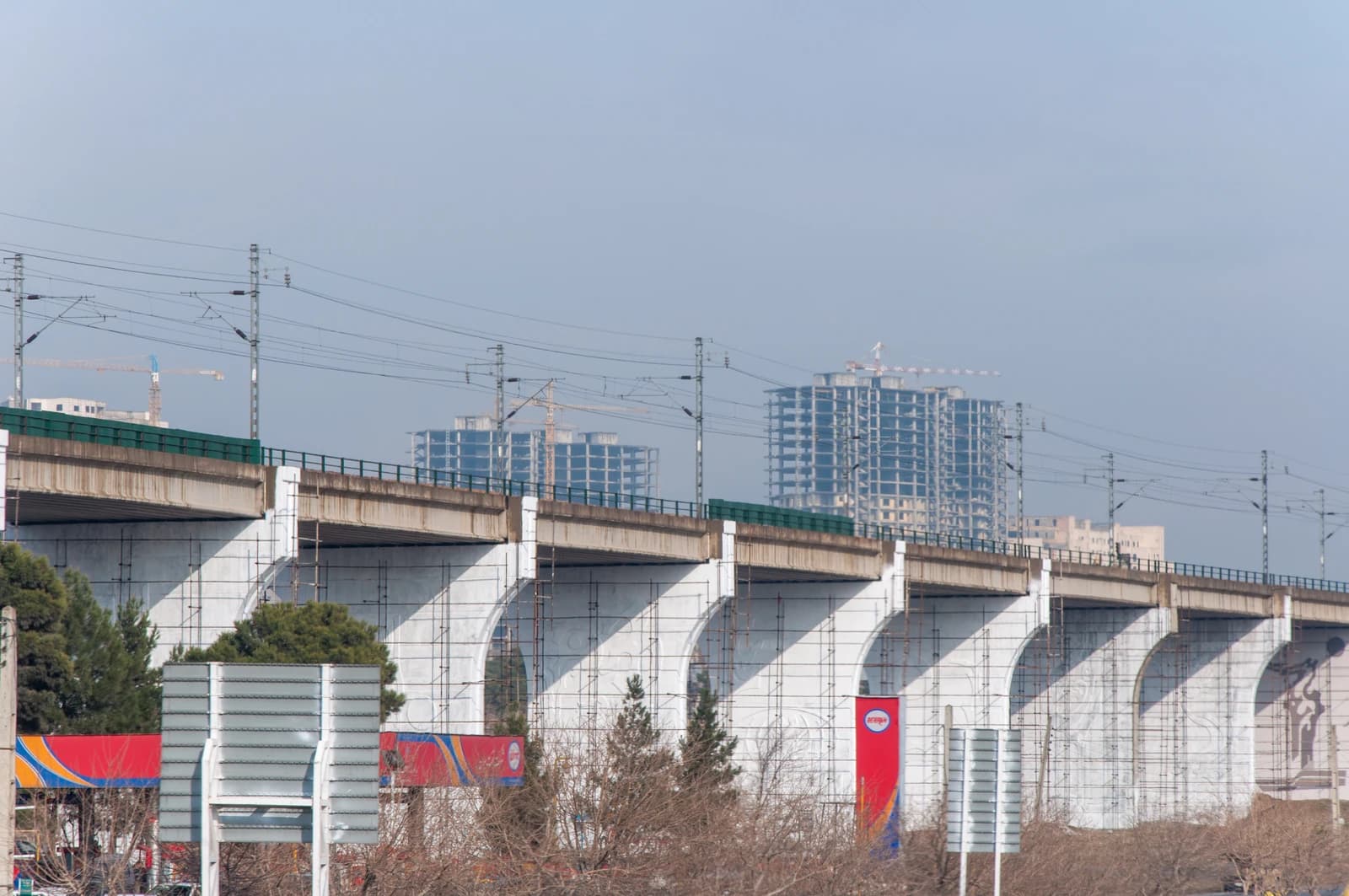
The 162-kilometer line matters because it is not just another rail project: it is the missing segment that would help turn the corridor into a more workable overland route connecting northern Europe with the Persian Gulf and Indian Ocean through Russia, the Caucasus and Central Asia. Once completed, the line is expected to carry at least 15 million tonnes of freight a year.
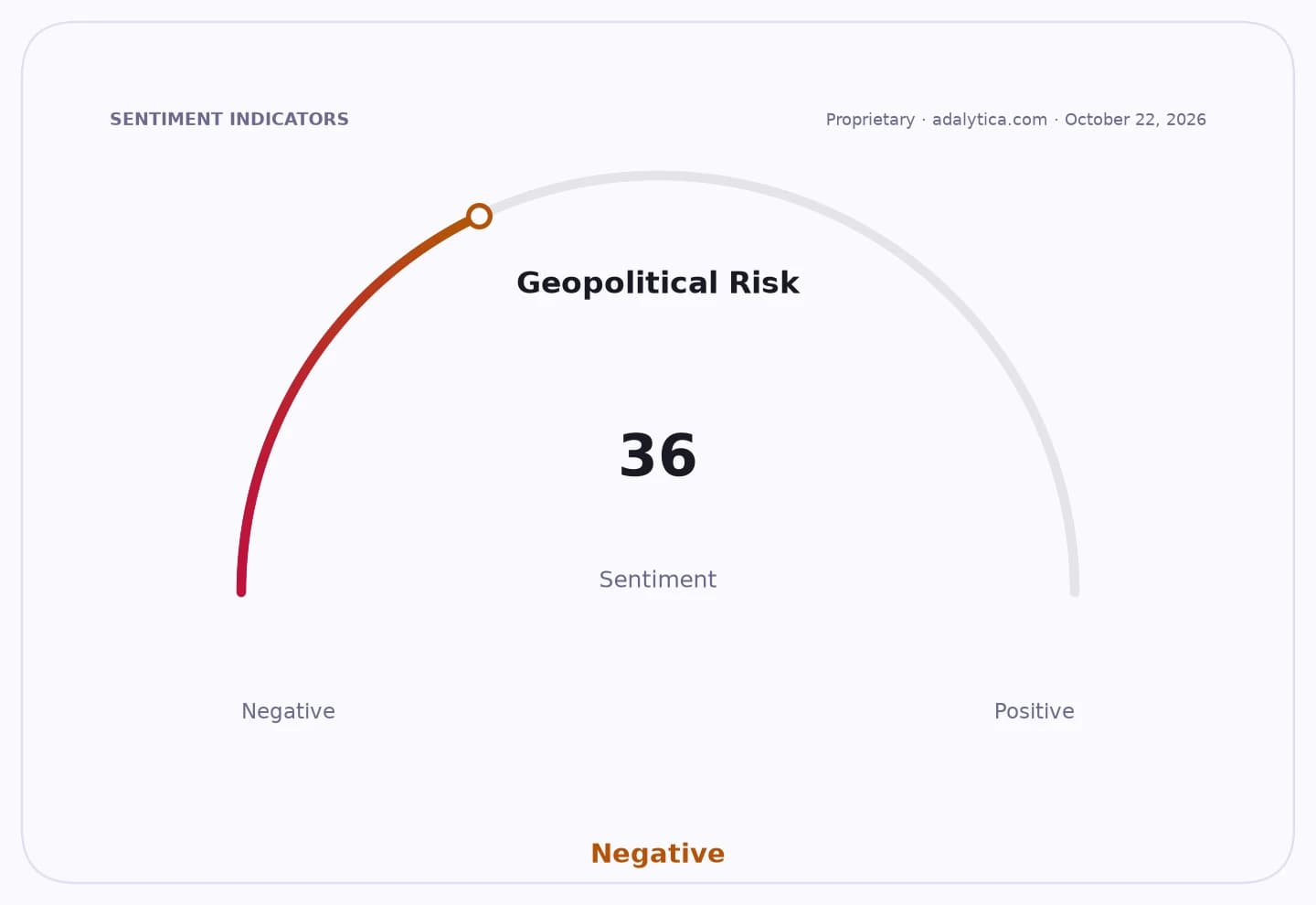
Sentiment IndicatorsⓘProprietary · adalytica.com · October 17, 2026
This is a snapshot — live sentiment, awareness and momentum for 130+ markets update continuously in the dashboard.Open AlphaPulse
Russian Railways First Deputy CEO Sergei Pavlov said surveying is already under way and has been fully resumed after a pause linked to military action. He said construction is expected to take three years, in line with the intergovernmental agreement. Russia and Iran plan eight stations, 56 trestles, 73 bridges and 30 overpasses on the route.
The project underscores how Moscow and Tehran are leaning harder on transport infrastructure to blunt sanctions pressure and reduce dependence on traditional shipping lanes. The total cost is put at 1.6 billion euros, with Russia contributing 1.3 billion euros, a sizable commitment at a time when both countries are seeking alternative trade and logistics routes.
For investors, the story is less about immediate revenue and more about strategic freight demand, construction execution risk and the broader geopolitical value of the corridor. Any progress on Rasht-Astara could support suppliers tied to rail, steel, bridges and civil works, while strengthening the case for operators and logistics firms positioned along the North-South axis.
The timeline still leaves plenty of room for slippage, but the resumption of surveying and a stated 2027 start offer the clearest signal yet that the route remains a priority. Market participants will watch for financing, procurement and any disruption from the regional security backdrop as the project moves toward formal construction.
| Entity | Gains | Losses |
|---|---|---|
| Russia and Iran | ▲Trade route diversification | ▼Delays and logistics bottlenecks |
| Freight operators on North-South Corridor | ▲Higher cargo volumes | ▼Reliance on slower sea routes |
| Rail and civil works contractors | ▲Construction contracts | ▼Project execution risk |
| Competing shipping lanes | ▲— | ▼Potential freight diversion |