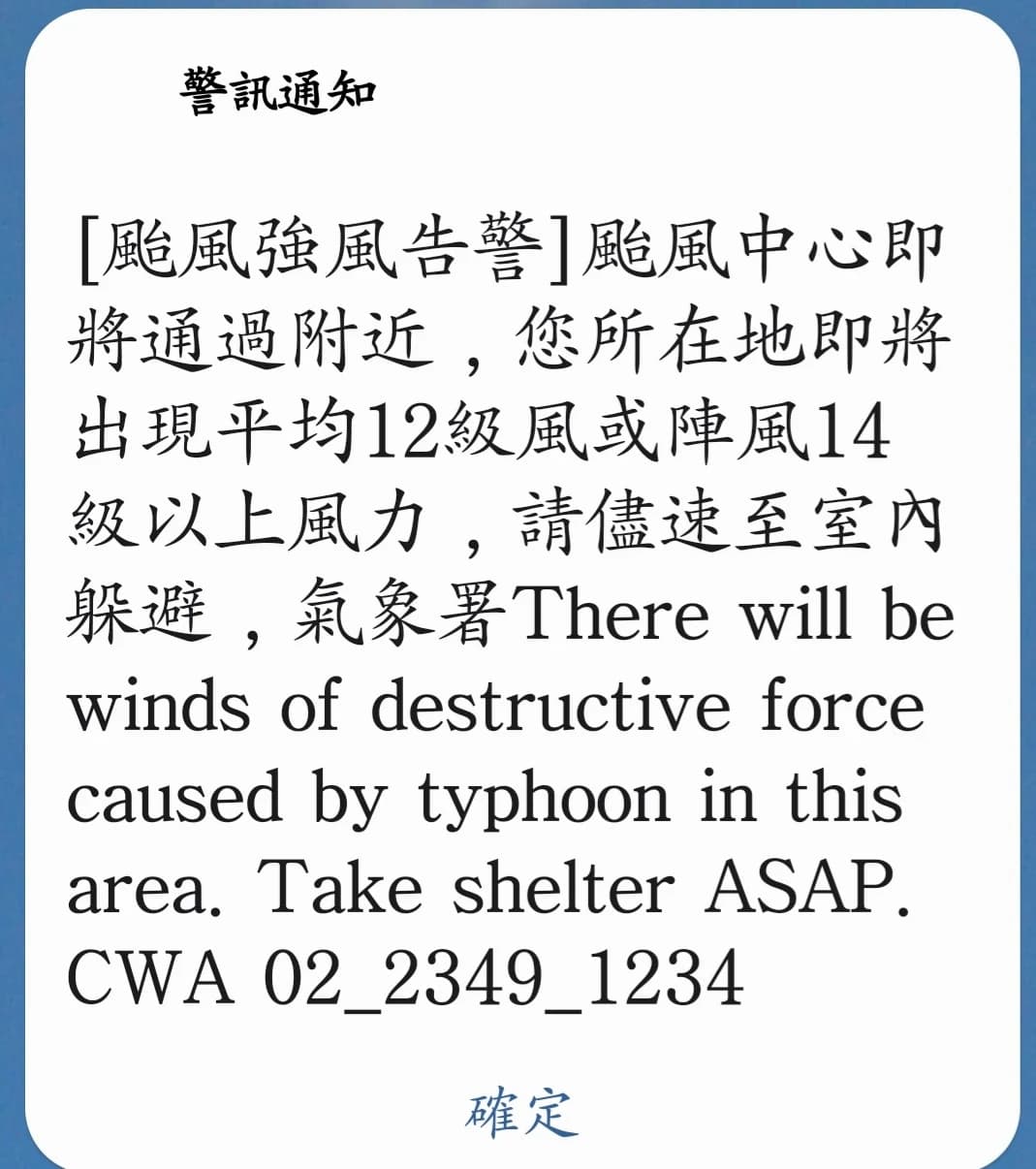
Super Typhoon Champi is set to pressure already congested Chinese ports, with market participants warning the storm could deepen delays at Shanghai and Ningbo and push up freight rates across North Asia trade routes.
Champi to Disrupt Shanghai and Ningbo Freight Rates
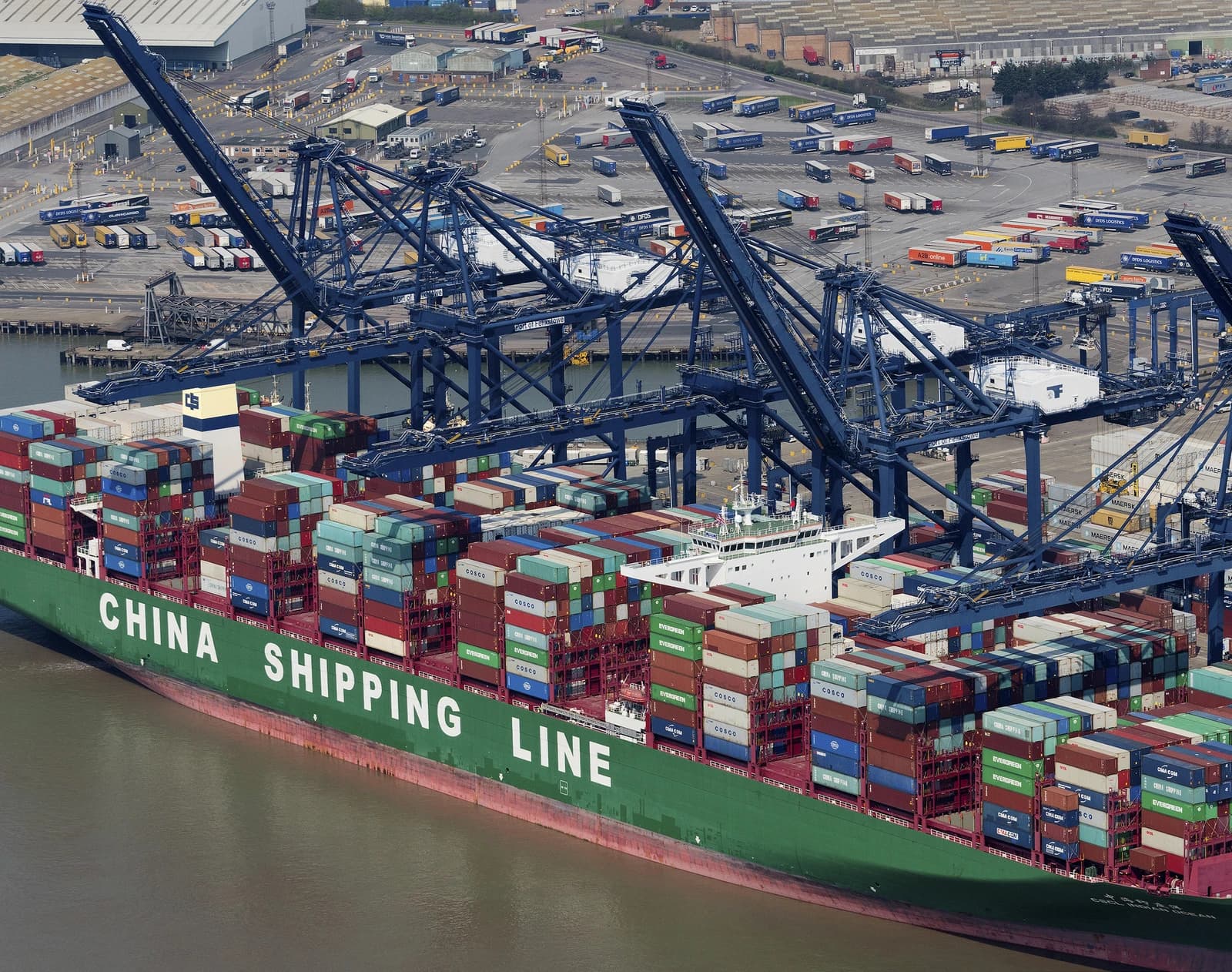
The immediate economic risk is not the storm itself, but the knock-on effect on container logistics in one of the world’s most important export corridors. If port calls are missed and vessels are forced to wait, exporters face longer lead times, importers face inventory uncertainty and carriers gain pricing power as available space tightens. For a trade system already running with bottlenecks, even a short weather event can have an outsized impact on rates and schedules.
Sentiment Indicators
US-China Relations
Champi strengthened into a Category 5-equivalent system over the western Pacific, with maximum sustained winds near its center reaching 240 kilometers per hour as it moved toward waters east of Taiwan and eastern China. The Hong Kong Observatory said the system would move across the western North Pacific toward the seas east of Taiwan in the next couple of days. Shippers said congestion-related delays were already running at about four days at Shanghai and Ningbo, and expected port disruptions to worsen once the typhoon affects the coast around Oct. 24-25.
One China-based shipper said congestion-related delays could rise further, with ports potentially affected for one to two weeks and freight rates likely to increase. A Southeast Asian shipper said the clearer picture would emerge by Oct. 26, but carriers are already omitting port calls to avoid bottlenecks, which is tightening space on the North Asia-Southeast Asia-Australia trade lane.
That matters because port congestion tends to cascade through the broader supply chain: missed sailings reduce schedule reliability, force rerouting and push more cargo into fewer available services. The Australian port authority said September already saw delays across Southeast Asia services, with around five vessel calls missed across four services, worsening the space shortage. In a market where capacity is finite, the combination of weather disruption and prior congestion can support spot freight rates even if underlying demand is unchanged.
The rate backdrop shows that the market is already strained. Platts assessed North Asia to East Coast Australia freight at $5,300 per FEU and North Asia to West Coast Australia at $5,200 per FEU, both unchanged day over day. Stability at those levels does not eliminate the risk of a near-term spike if Champi disrupts schedules further and prompts more blank sailings or omitted port calls.
For investors, the story is less about broad market direction than about the beneficiaries and losers of tighter shipping conditions. Container lines and carriers with pricing leverage could see a short-term boost if spot rates firm, while cargo owners, retailers and importers face higher transport costs and more volatile delivery times. Shipping stocks can react quickly to rate expectations, but the gains may be temporary if congestion eases after the storm passes.
The broader implication is that weather remains a material variable in Asia-Pacific freight markets at a time when operational slack is limited. If Champi hits the coast as expected and port disruptions last into late October, traders will watch whether delays spread beyond China into regional feeder routes and whether higher rates begin to flow through into upcoming contract negotiations.
| Entity | Gains | Losses |
|---|---|---|
| Carriers | ▲Higher spot rates | ▼Schedule disruption |
| Exporters | ▲— | ▼Longer lead times |
| Importers | ▲— | ▼Higher freight costs |
| Port operators | ▲Congestion fees and activity | ▼Operational delays |