Typhoon Champi is set to hit more than travel schedules: its path across Taiwan and toward eastern China is a reminder of how quickly severe weather can disrupt one of the world’s most important technology and manufacturing corridors.
Taiwan Typhoon Champi Disrupts Flights and Tech Supply
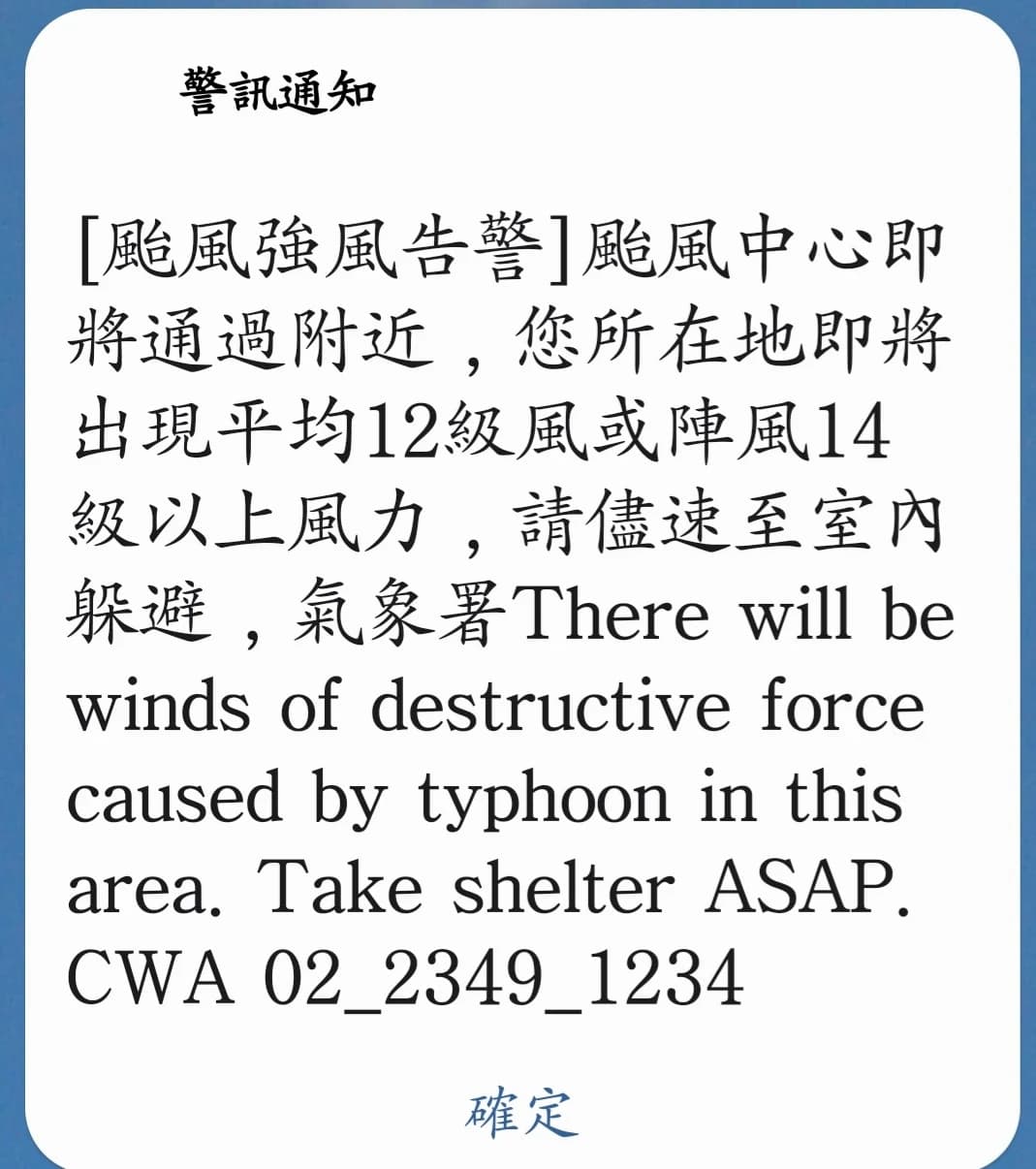
Taiwan issued land and sea warnings Thursday as Champi, still a typhoon with maximum sustained winds of 96 mph and gusts near 119 mph, moved about 224 miles east of the island’s southern tip. Authorities canceled 125 flights, mostly domestic, while schools and offices on Taiwan’s main island were ordered shut on Friday. In Japan, airlines have already scrapped more than 100 flights through Sunday, leaving more than 11,000 passengers stranded as the storm tracks north.
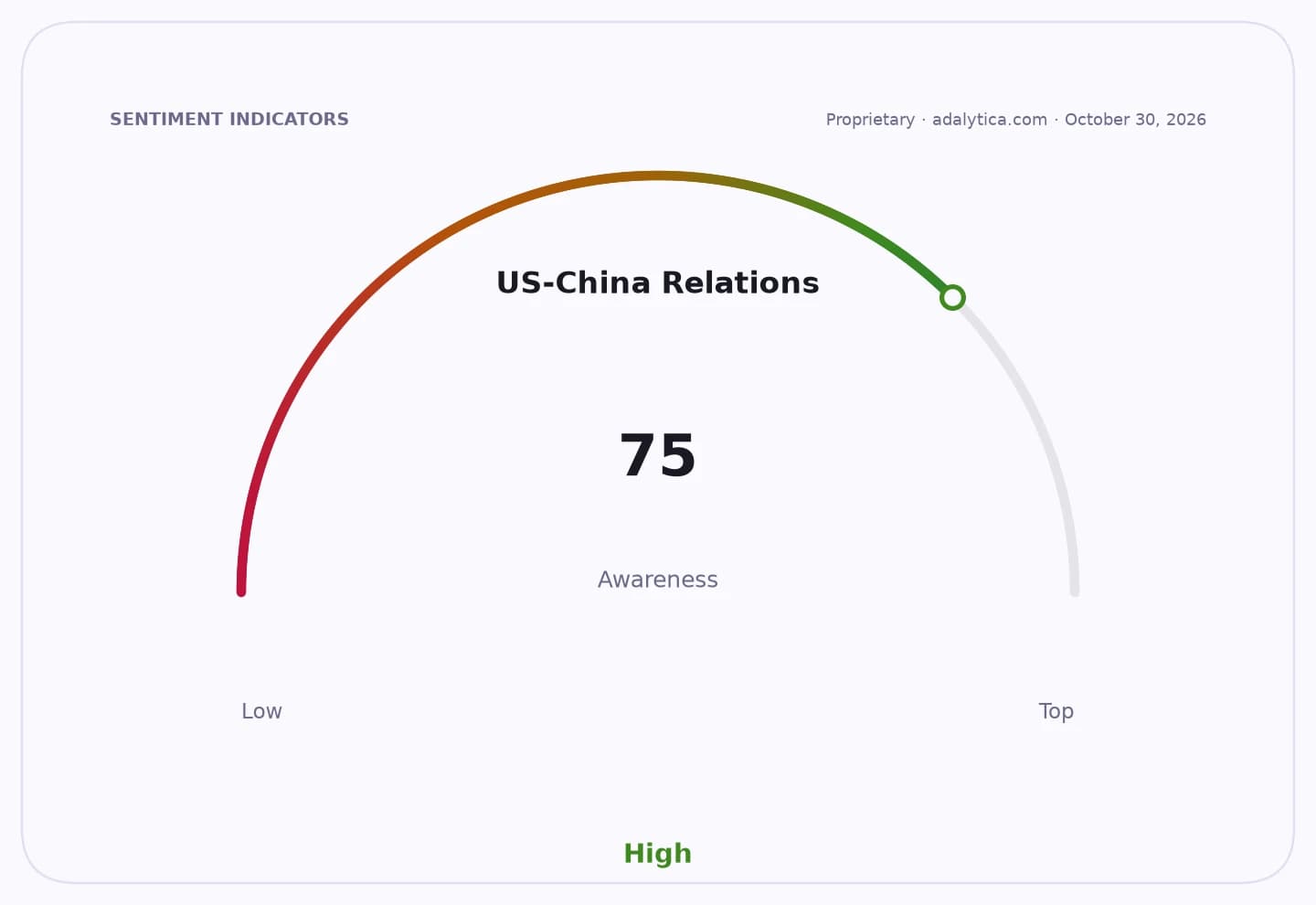
Sentiment Indicators
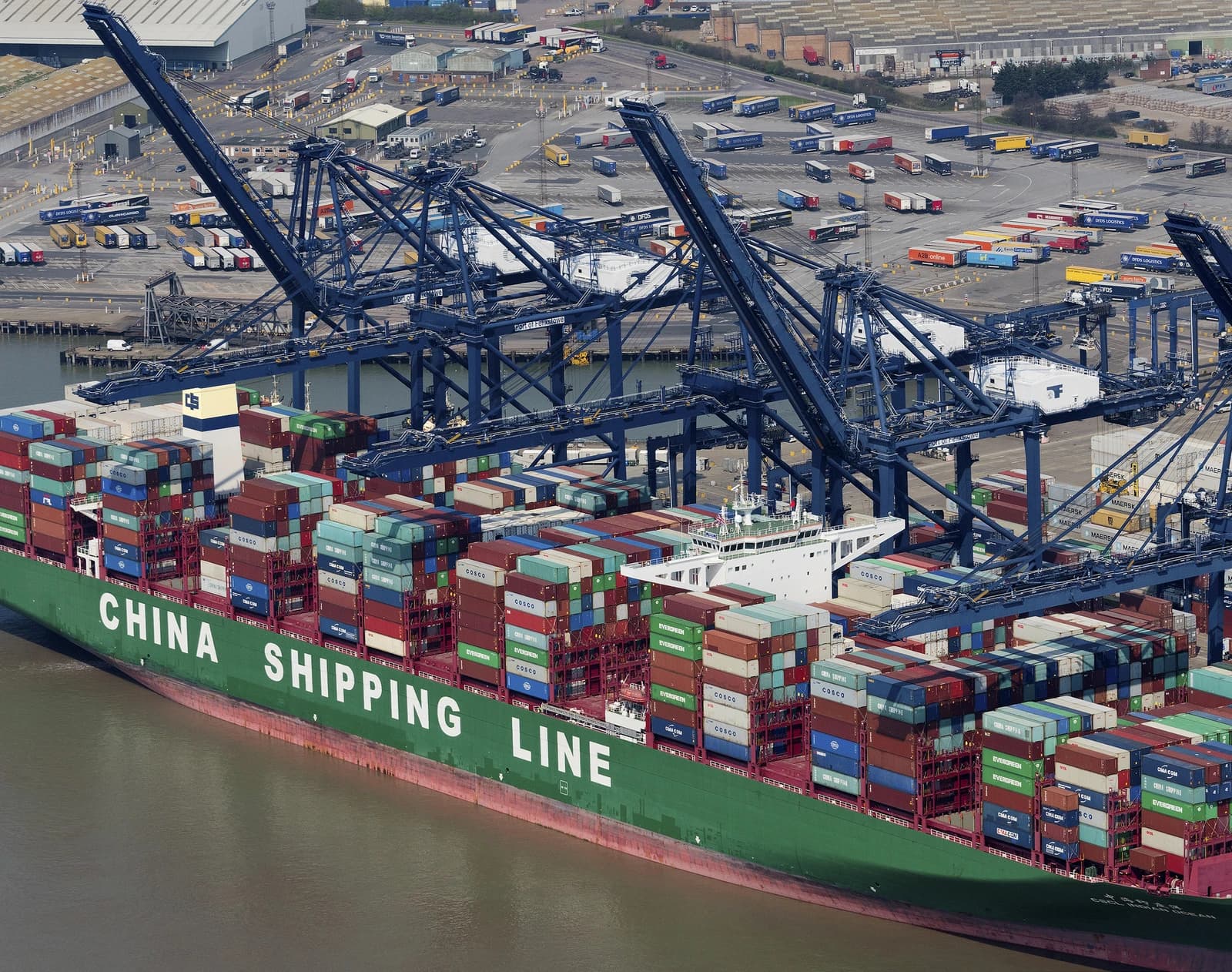
The economic significance is bigger than a temporary travel shock. Taiwan sits at the center of the global semiconductor supply chain, and even a brief interruption can ripple through electronics production, shipping schedules and inventory planning from Taipei to Shanghai and beyond. Reuters reported Champi is expected to bring up to 18 inches of rain, with waves above 6 meters in coastal areas and nearly a meter of rainfall in northern mountain regions, conditions that raise the risk of flooding, mudslides, power outages and transport delays.
That matters because Taiwan is not just a local story for investors — it is a choke point for the global tech complex. Any sustained disruption raises the odds of logistics bottlenecks, slower factory operations and precautionary shutdowns across suppliers tied to chips, phones and other high-value electronics. Even if the storm weakens, the market knows the bigger risk is not the wind itself but the knock-on effect on production and delivery windows.
The island has already paid a human price, with local reports of fatalities and hundreds of injuries from the storm’s passage. For markets, though, the question is whether Champi exposes how fragile Asia’s industrial routes remain when weather and geopolitics collide. Taiwan’s exposure is especially important because the same supply chains that are vulnerable to typhoons are also vulnerable to cross-strait tension, making resilience a strategic as well as an operational issue.
The immediate winners are companies tied to emergency logistics, backup power and infrastructure repair; the losers are airlines, exporters and technology manufacturers with concentrated exposure to Taiwan and nearby shipping lanes. Investors should treat the storm as a fresh reminder that resilience spending — from power systems to diversified supply chains — is becoming a structural theme, not a temporary trade.
| Entity | Gains | Losses |
|---|---|---|
| Emergency logistics firms | ▲Higher demand | ▼None immediate |
| Power and infrastructure repair providers | ▲Recovery spending | ▼None immediate |
| Airlines in Taiwan and Japan | ▲None immediate | ▼Flight cancellations |
| Taiwan tech exporters | ▲Resilience focus | ▼Supply-chain disruption |