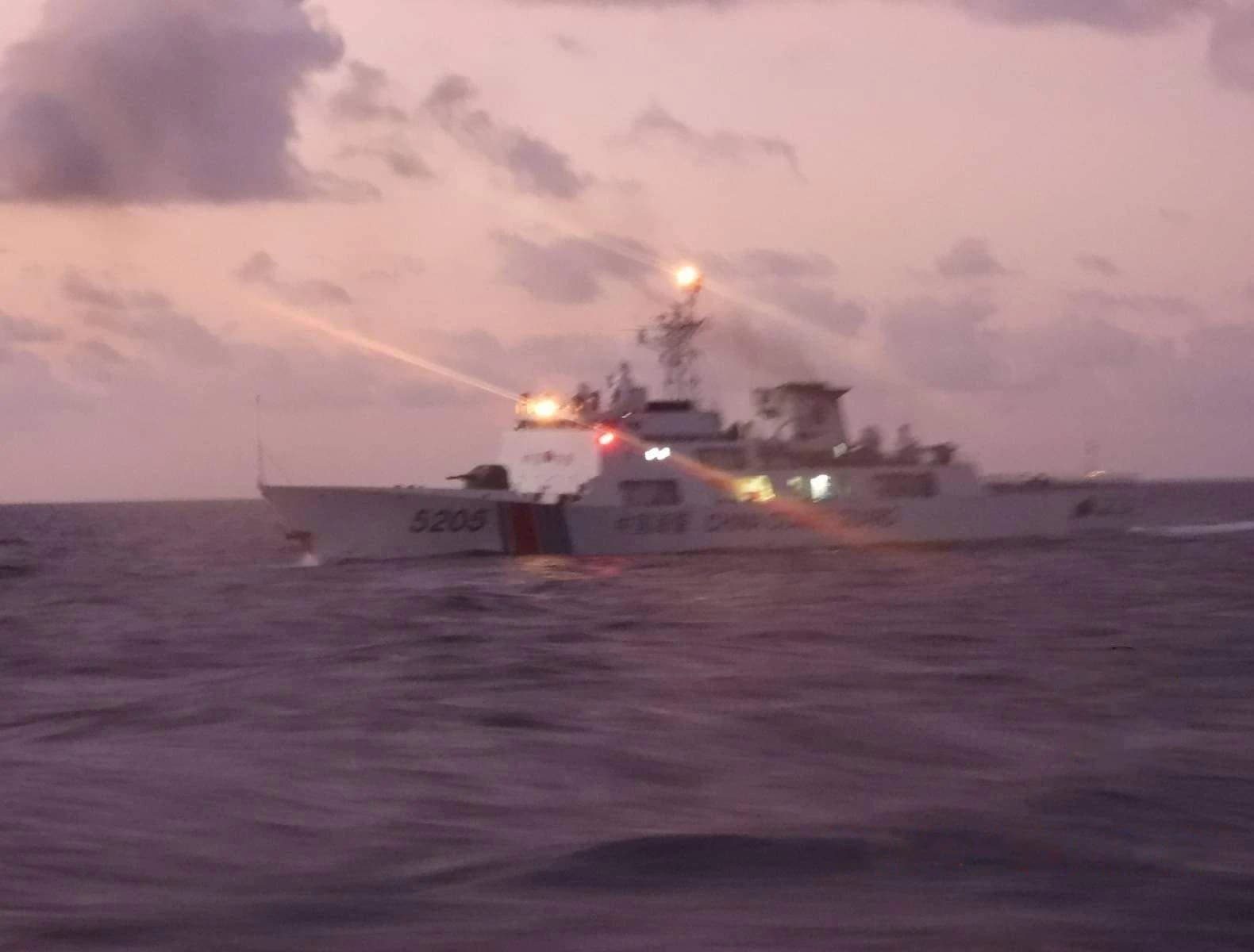
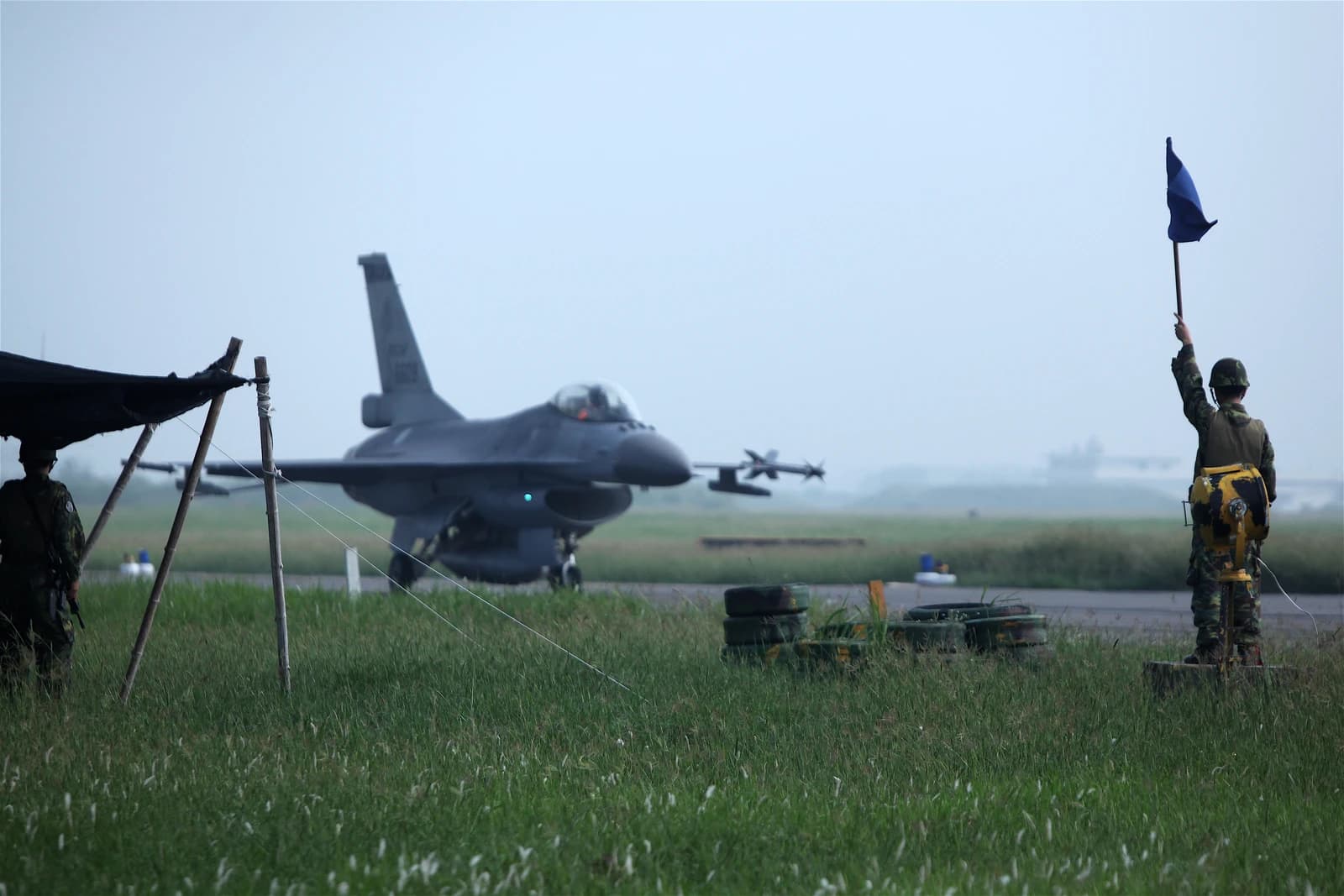
Taiwan moved missile units and scrambled aircraft after China sent 29 military aircraft and 15 vessels around the island, a fresh reminder that the Taiwan Strait remains one of the world’s most dangerous geopolitical flashpoints and a persistent risk premium for markets tied to Asia’s semiconductor supply chain.
Taiwan Scrambles Jets After China Sends 29 Aircraft
The immediate economic significance is not the number of aircraft alone, but the steady normalization of coercive pressure. Beijing is keeping Taipei on alert with near-daily incursions that force Taiwan to spend more on readiness, training and hardware at a time when the island is already trying to plug a shortage of combat pilots and bring new U.S.-made F-16V Block 70 fighters into service. That combination raises the cost of deterrence and increases the chance of a miscalculation that could rattle global trade, shipping insurance and technology manufacturing.
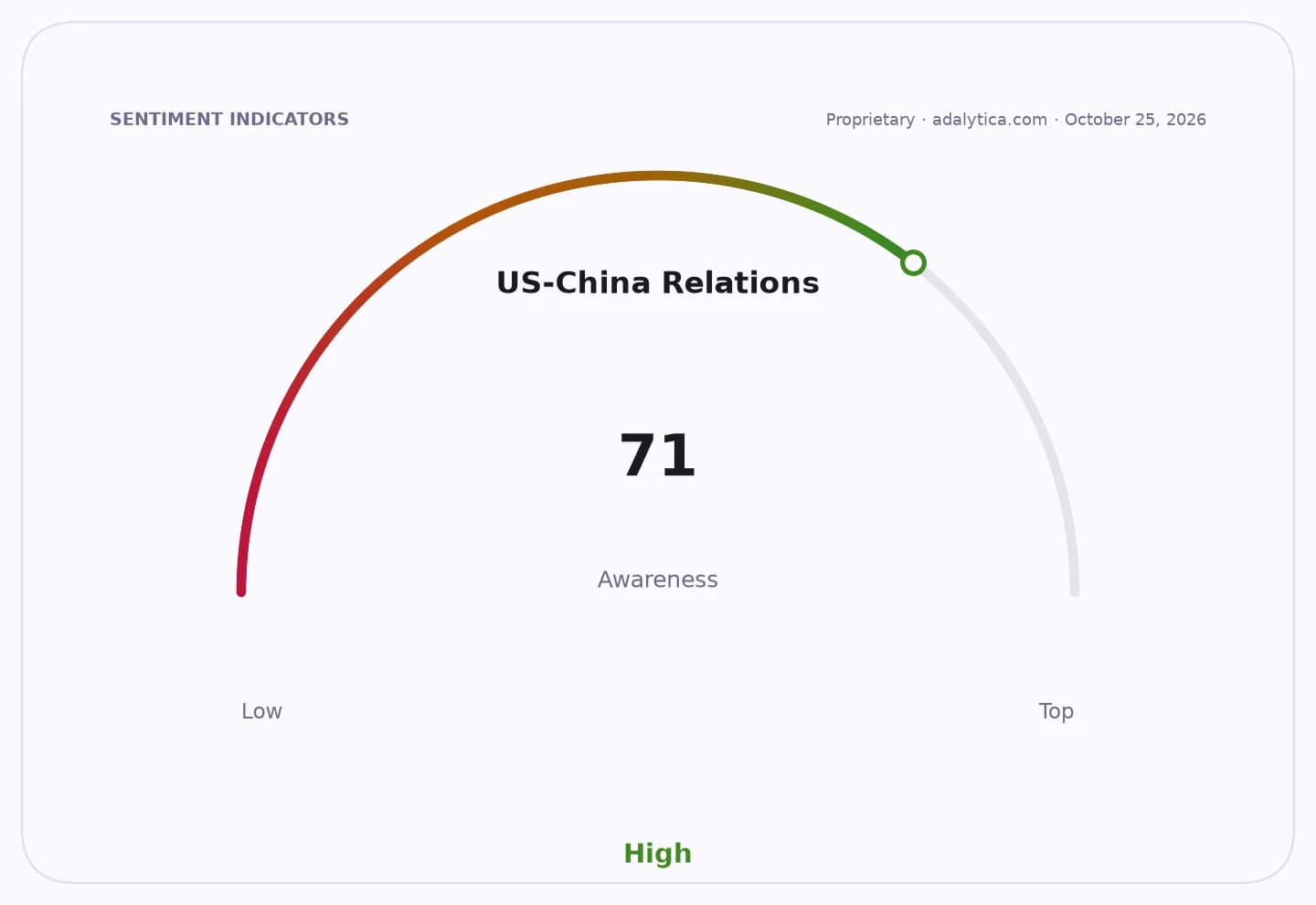
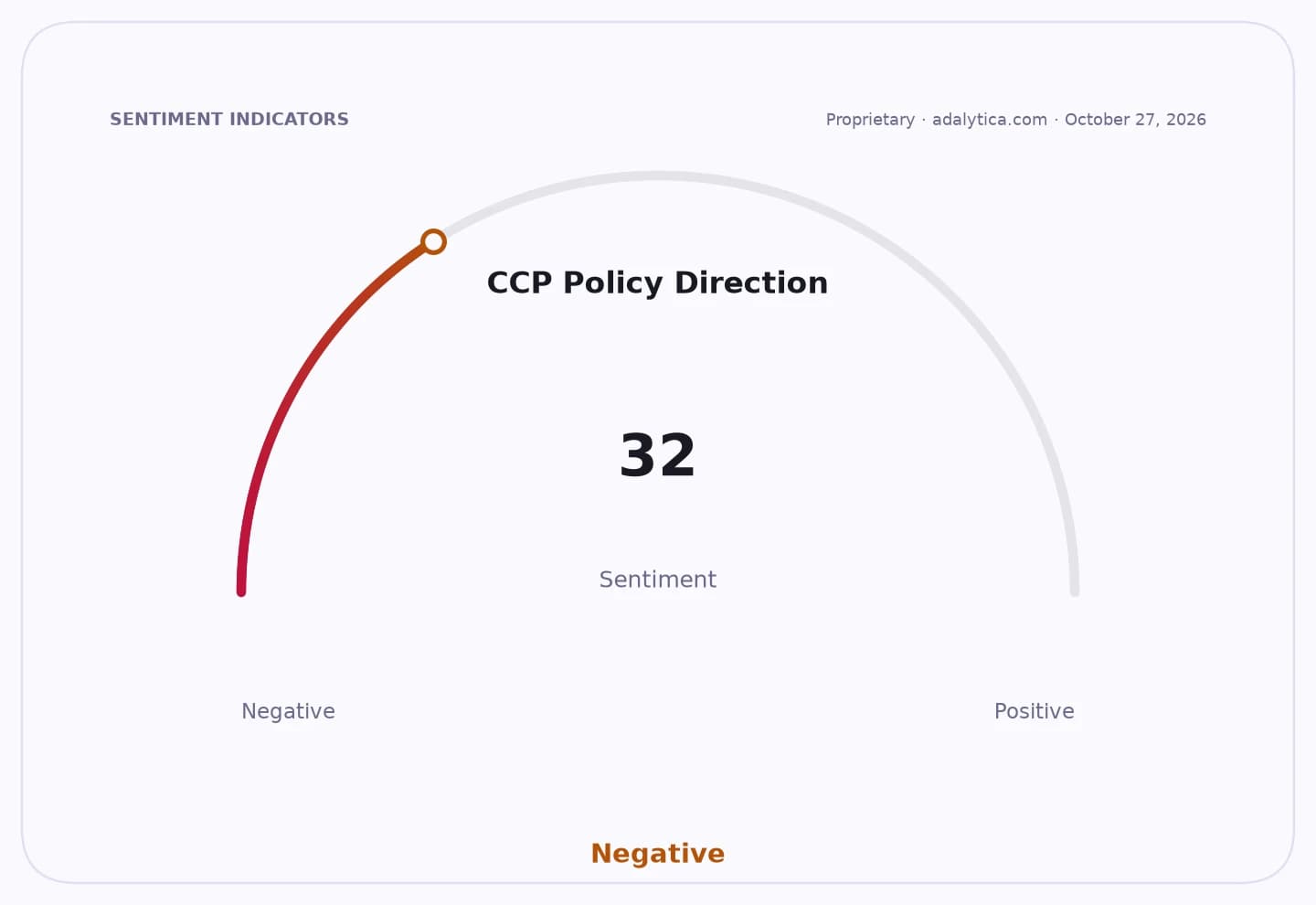
Sentiment IndicatorsⓘProprietary · adalytica.com · October 28, 2026
This is a snapshot — live sentiment, awareness and momentum for 130+ markets update continuously in the dashboard.Open AlphaPulse
Taiwan’s defense ministry said 23 of the Chinese aircraft crossed the Taiwan Strait median line, while the island also tracked six warships and nine other state vessels in a 24-hour period. Taipei responded with its own aircraft and naval assets and positioned shore-based missile systems along the coast, underscoring how quickly these standoffs can escalate from surveillance pressure to live-force posturing.
For investors, the real story is that Taiwan’s security burden is rising just as its strategic importance to global markets keeps growing. Taiwan Semiconductor Manufacturing Co. sits at the center of the artificial intelligence buildout, and any intensification of cross-strait tensions widens the valuation gap between companies that depend on Taiwan’s chip ecosystem and the broader market’s complacency about that risk. The move also reinforces the long-term case for defense spending, missile systems, drones, air-defense electronics and supply-chain diversification away from a single geographic choke point.
Geopolitical Risk — 30-day sentimentadalytica.com
Explore this data interactively — full history, time series and cross-market comparisons.Open AlphaPulse
The personnel issue makes the problem more structural. Taiwan plans to raise the retirement age for experienced fighter pilots to 58 from roughly 48 to 52 and add 72 more senior pilot posts, a small but telling sign that the island is stretching every available resource to sustain readiness. It needs more than 100 pilots for 66 new F-16V Block 70 jets ordered from the U.S., yet the first deliveries only arrived this month and most of the aircraft remain in production. That means the defense buildup is real, but incomplete, leaving Taiwan exposed to the kind of persistent gray-zone pressure Beijing is now making routine.
The market is not pricing this as a one-day event. It is pricing a structural risk environment that favors companies selling the tools of deterrence and the infrastructure of resilience. Our view is that investors should treat Taiwan’s defense surge and the Strait’s recurring military drills as a secular theme, not a headline trade. The winners are clear: missile makers, radar suppliers, aerospace contractors, and select semiconductor names with pricing power and strategic indispensability. The losers are any portfolios still assuming the Strait is a low-volatility manufacturing corridor.
| Entity | Gains | Losses |
|---|---|---|
| Taiwan defense contractors | ▲Higher orders and spending | ▼— |
| U.S. weapons suppliers | ▲More F-16 and air-defense demand | ▼— |
| TSMC and chip ecosystem | ▲Strategic premium, long-term relevance | ▼Higher geopolitical discount |
| Global shippers and importers | ▲— | ▼War-risk premiums, disruption risk |