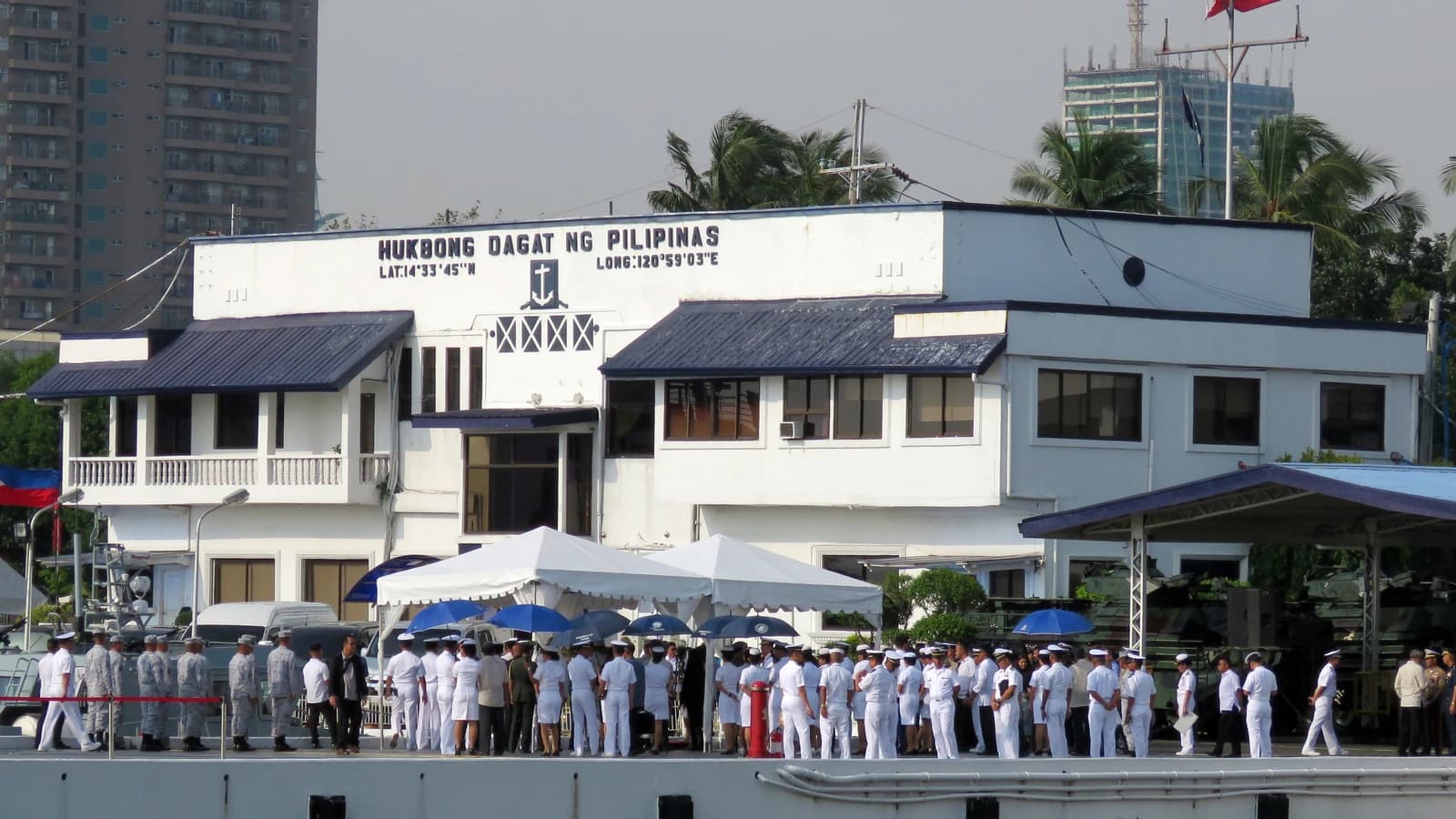
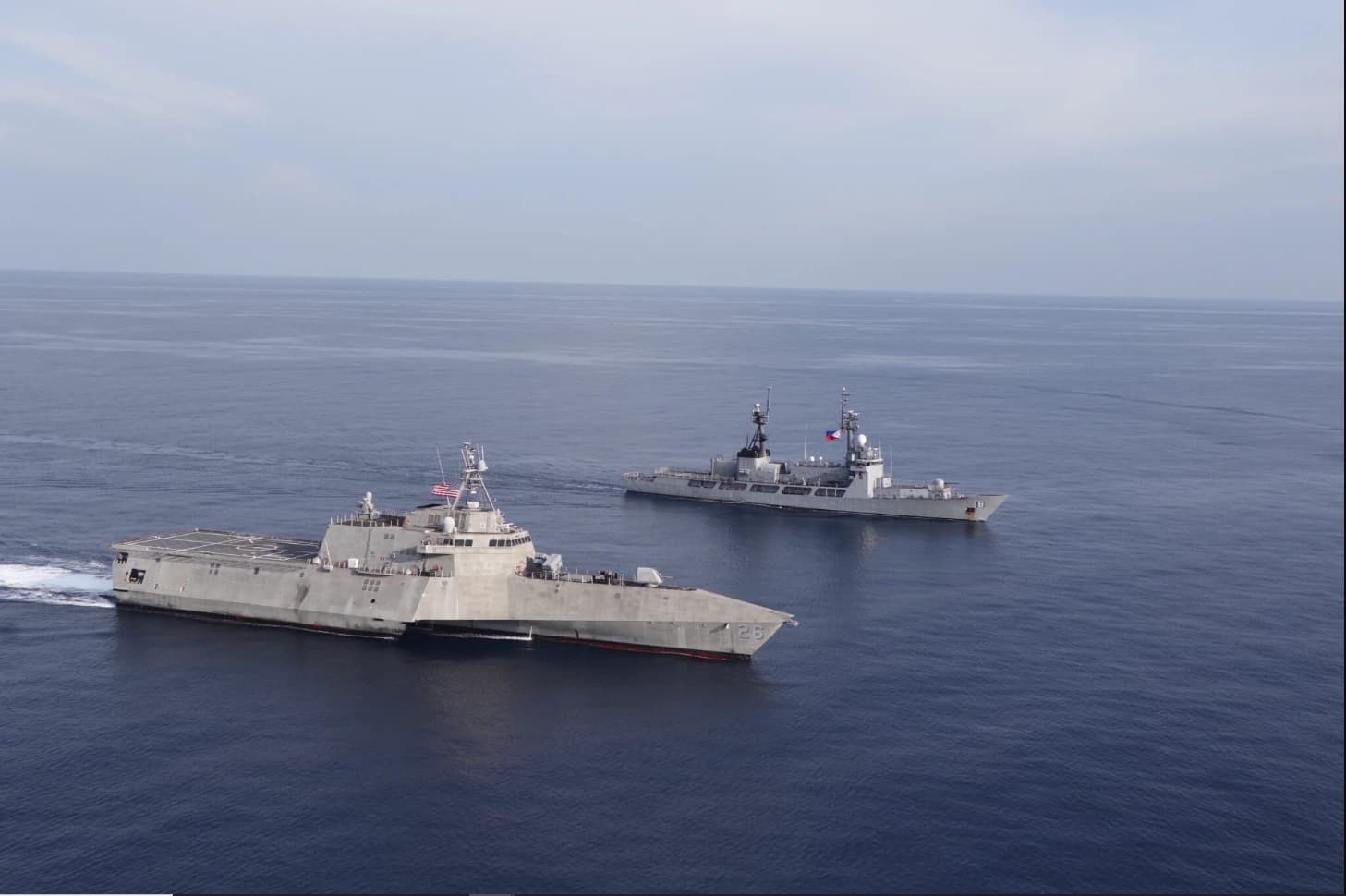
China’s coast guard said it monitored a Philippine vessel delivering supplies to a grounded ship at Second Thomas Shoal, underscoring how the South China Sea dispute keeps generating episodic flare-ups that can jolt regional risk assets and raise the odds of a wider diplomatic crisis.
China Coast Guard Monitors Philippine Supply Ship
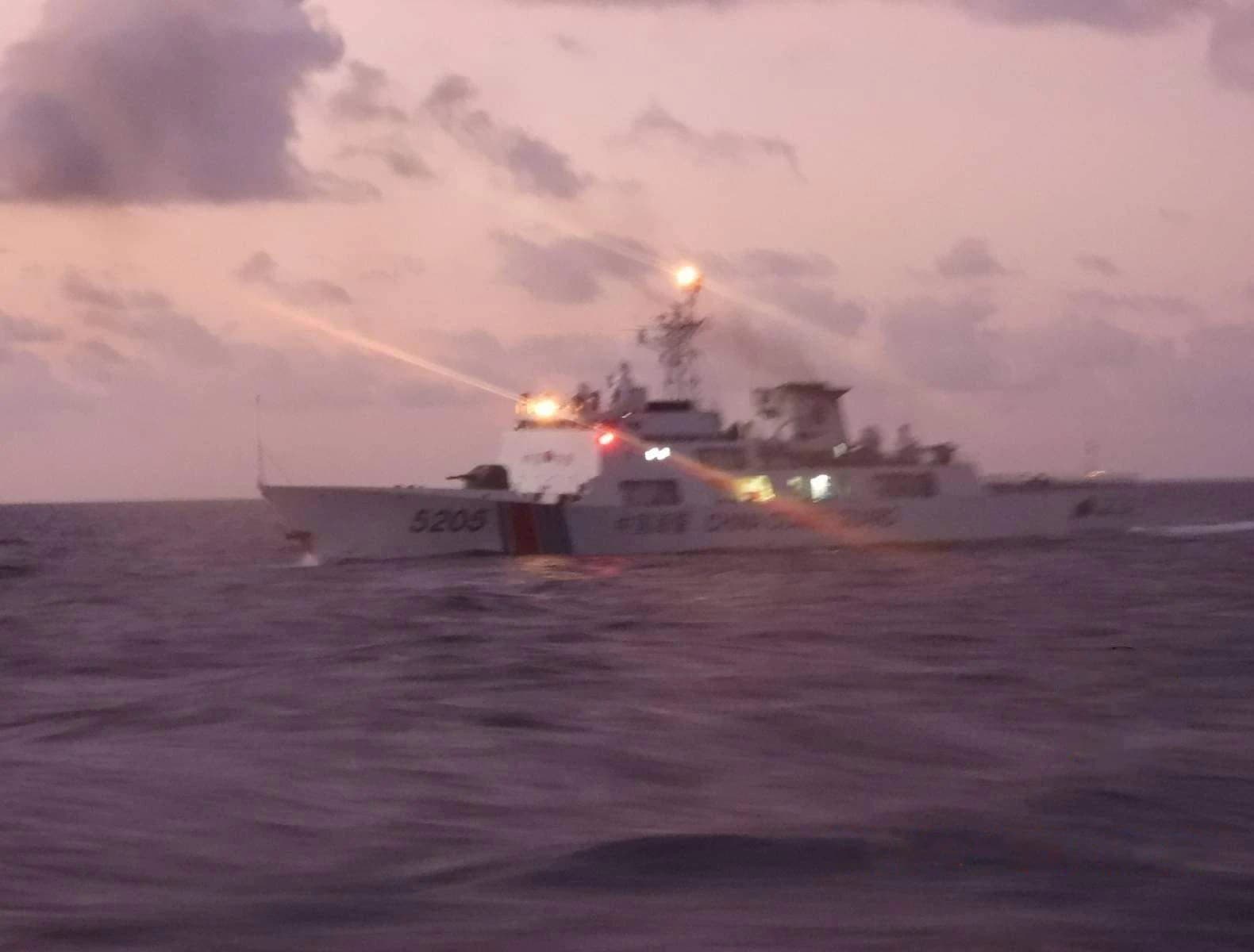
The episode matters because Second Thomas Shoal has become one of the clearest pressure points in the contest between Beijing and Manila, with both sides accusing the other of provocation and coercion. The Philippines has relied on repeated resupply missions to maintain its outpost on the shoal, while China continues to press its sweeping territorial claim over almost the entire South China Sea, a position rejected by several regional states and by an international arbitration ruling in 2016.
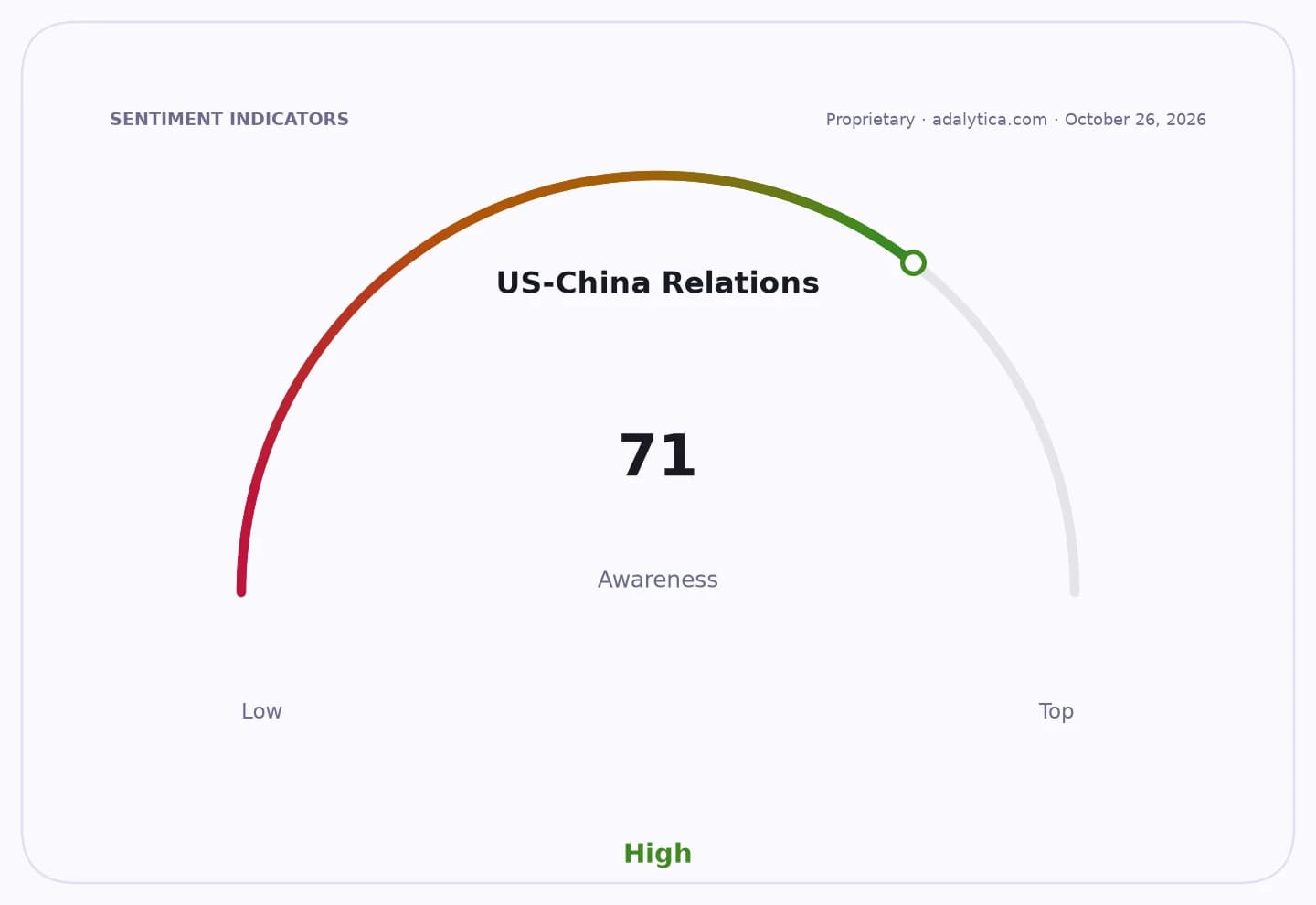
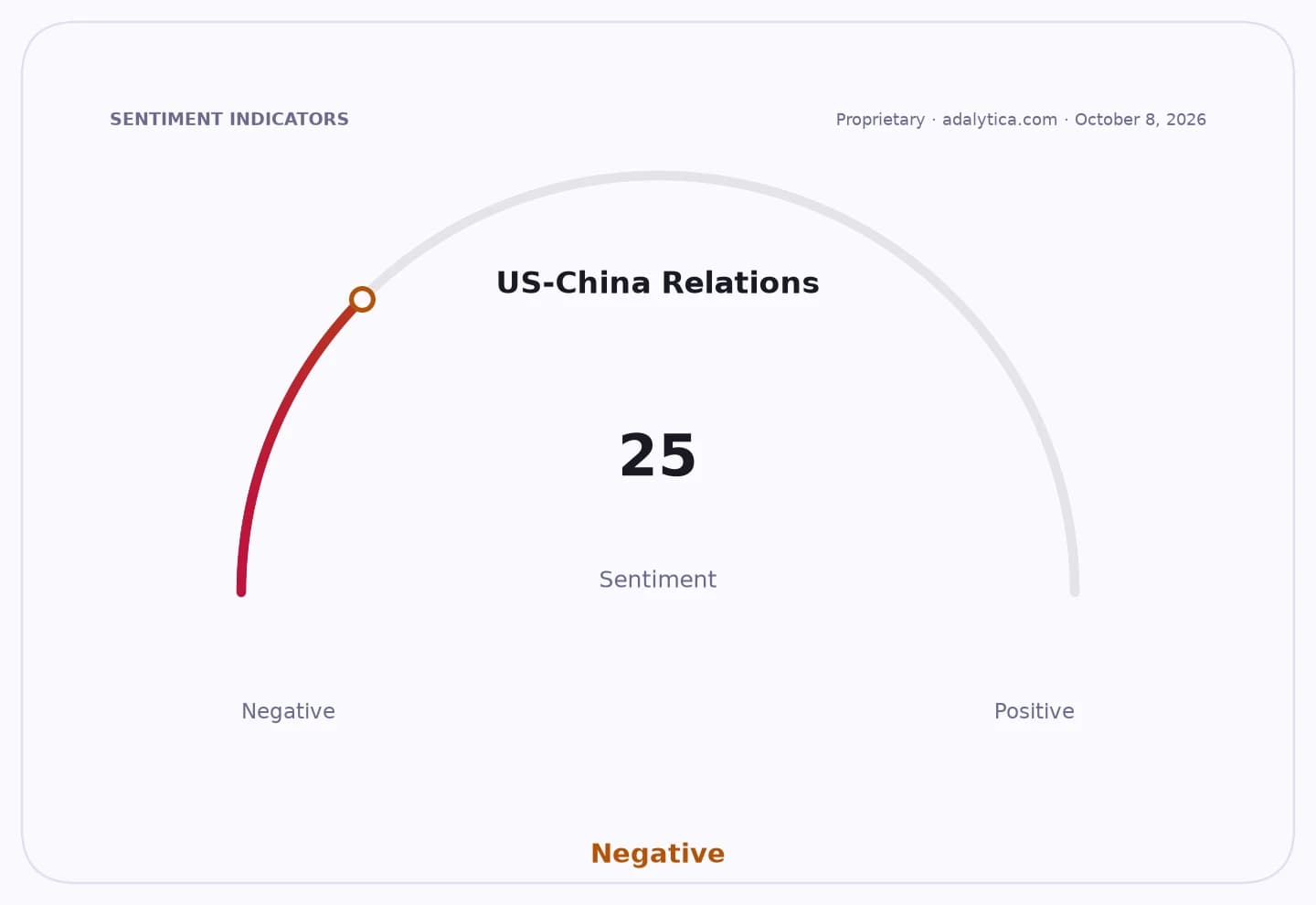
Sentiment Indicators
For investors, the immediate market impact is usually limited, but the strategic implications are broader. Any escalation in maritime confrontations can feed into risk premiums across Asia, especially for shipping, defense, energy and broader China exposure. The latest standoff also arrives after earlier incidents this year in which Manila accused Chinese vessels of blocking a resupply mission and ramming a Philippine boat, highlighting that the risk is not just rhetorical but operational, with the potential for miscalculation.
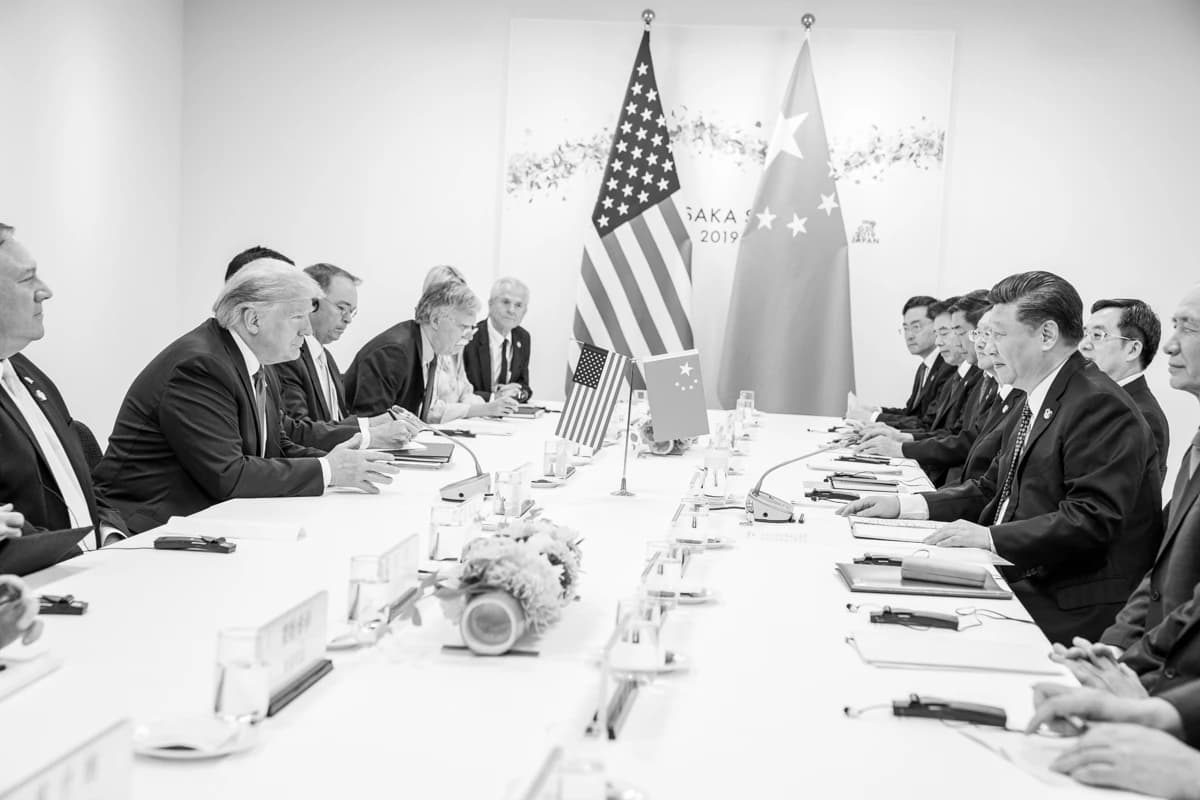
The dispute also matters economically because the South China Sea is a critical trade corridor and a possible source of hydrocarbons and fisheries. Persistent friction there can complicate investment decisions, insurance pricing and security planning for companies that depend on shipping routes through the region. It also keeps alive a geopolitical drag on relations between China and the Philippines, with spillover potential for Beijing’s ties with the United States, which has security commitments to Manila.
The market backdrop suggests investors are treating the confrontation as a recurring but contained geopolitical risk rather than a full-blown shock. China-focused exchange-traded funds have recently weakened, while conventional technical indicators on some regional proxies point to softer momentum. Even so, the broader global stability gauge remains in a relatively complacent zone, indicating that markets are not yet pricing a major escalation.
The key question is whether this remains a managed rivalry or turns into a more serious maritime incident involving casualties or more aggressive interdiction. For now, the latest monitoring episode reinforces a familiar pattern: Beijing is signaling resolve, Manila is signaling resistance, and investors are left watching whether the next confrontation stays within the bounds of calibrated coercion.
| Entity | Gains | Losses |
|---|---|---|
| China Coast Guard | ▲Demonstrates reach and control | ▼Higher diplomatic friction |
| Philippines | ▲Maintains shoal outpost resupply | ▼Faces operational pressure |
| Regional markets | ▲Short-term clarity on risk | ▼Persistent geopolitical uncertainty |
| Shipping and insurers | ▲No immediate disruption | ▼Higher tail-risk pricing |