China’s biggest ports are moving from pilot projects to scale, and that matters because alternative marine fuels are no longer a niche decarbonization story — they are becoming a commercial logistics race with real implications for shipping costs, port throughput and the winners across the clean-fuel supply chain.
Ningbo-Zhoushan Port Bunks LNG, Methanol, B24
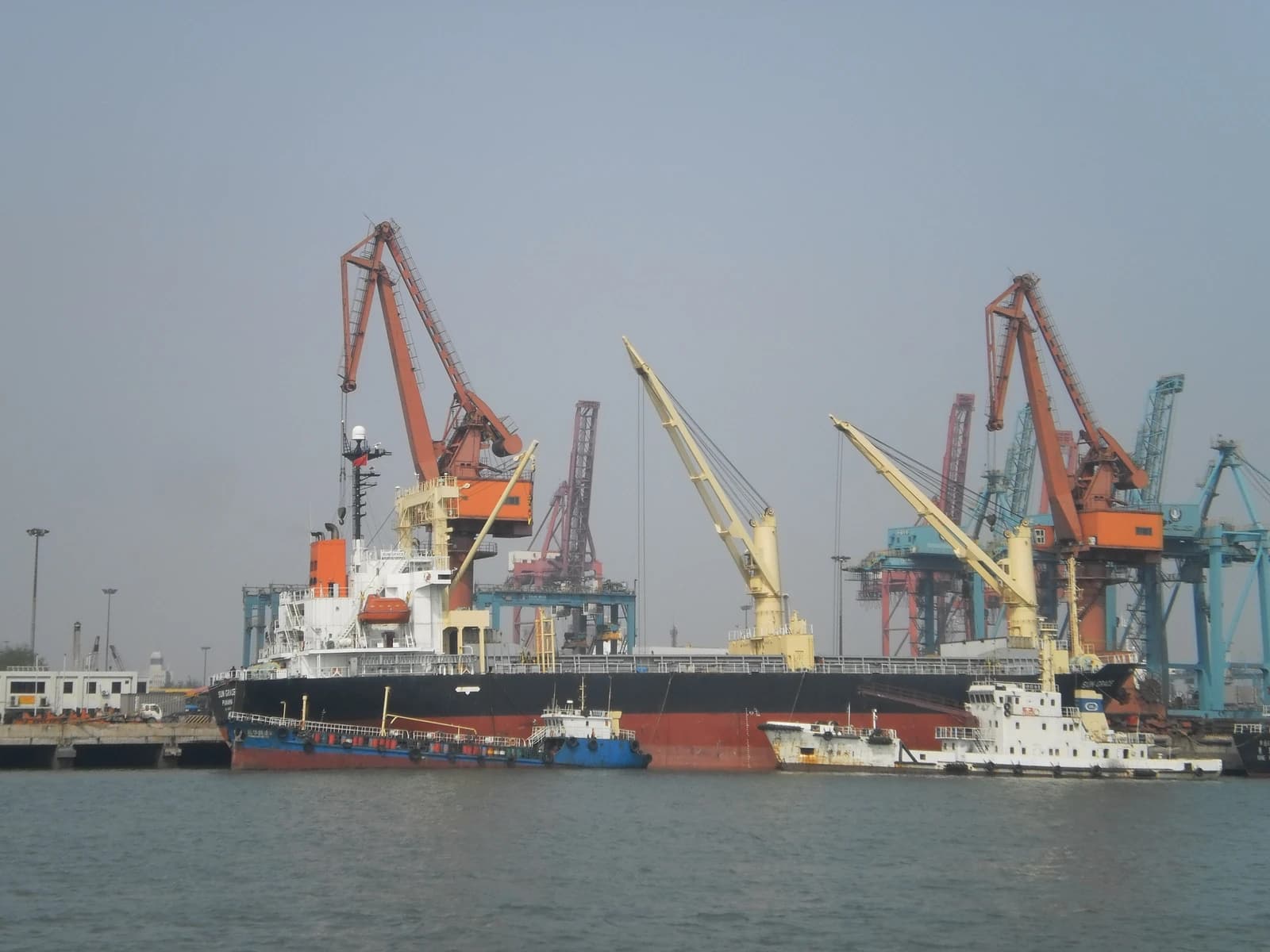
Ningbo-Zhoushan said it became the first port in China to bunker LNG, methanol and B24 biofuel blend to different vessels on the same day, a milestone that underscores how quickly the world’s largest trade hub is building multi-fuel capability. The port authority said the operations marked a “one port, three supplies” breakthrough in alternative-fuel bunkering capacity, with around 7,400 cubic meters of LNG delivered at Chuanshan, 7,500 metric tons of methanol at Meishan and about 3,000 metric tons of B24 at Daxie.
Sentiment Indicators
The significance goes well beyond a symbolic first. Bunkering infrastructure is the bottleneck that determines whether shipowners can actually adopt lower-carbon fuels at scale. Ports that can reliably handle LNG, methanol and biofuels in parallel gain an edge in attracting dual-fuel tonnage, deepening vessel traffic and embedding themselves into the next generation of maritime supply chains. For ship operators facing tightening emissions rules, the ability to refuel at major Chinese hubs reduces execution risk and supports fleet orders tied to cleaner propulsion.
Methanol is the clearest tell. The delivery at Ningbo-Zhoushan was the largest single methanol bunkering operation in Zhejiang province, and it follows a recent acceleration in Guangzhou, Shenzhen, Hong Kong and other Chinese ports. That pattern suggests the market is shifting from demonstration runs to repeatable operations, which is exactly what investors should watch for in infrastructure, fuel logistics and shipbuilding. If this buildout continues, the real beneficiaries are not just port operators but bunker vessel owners, methanol producers, LNG logistics players and marine-equipment suppliers serving dual-fuel fleets.
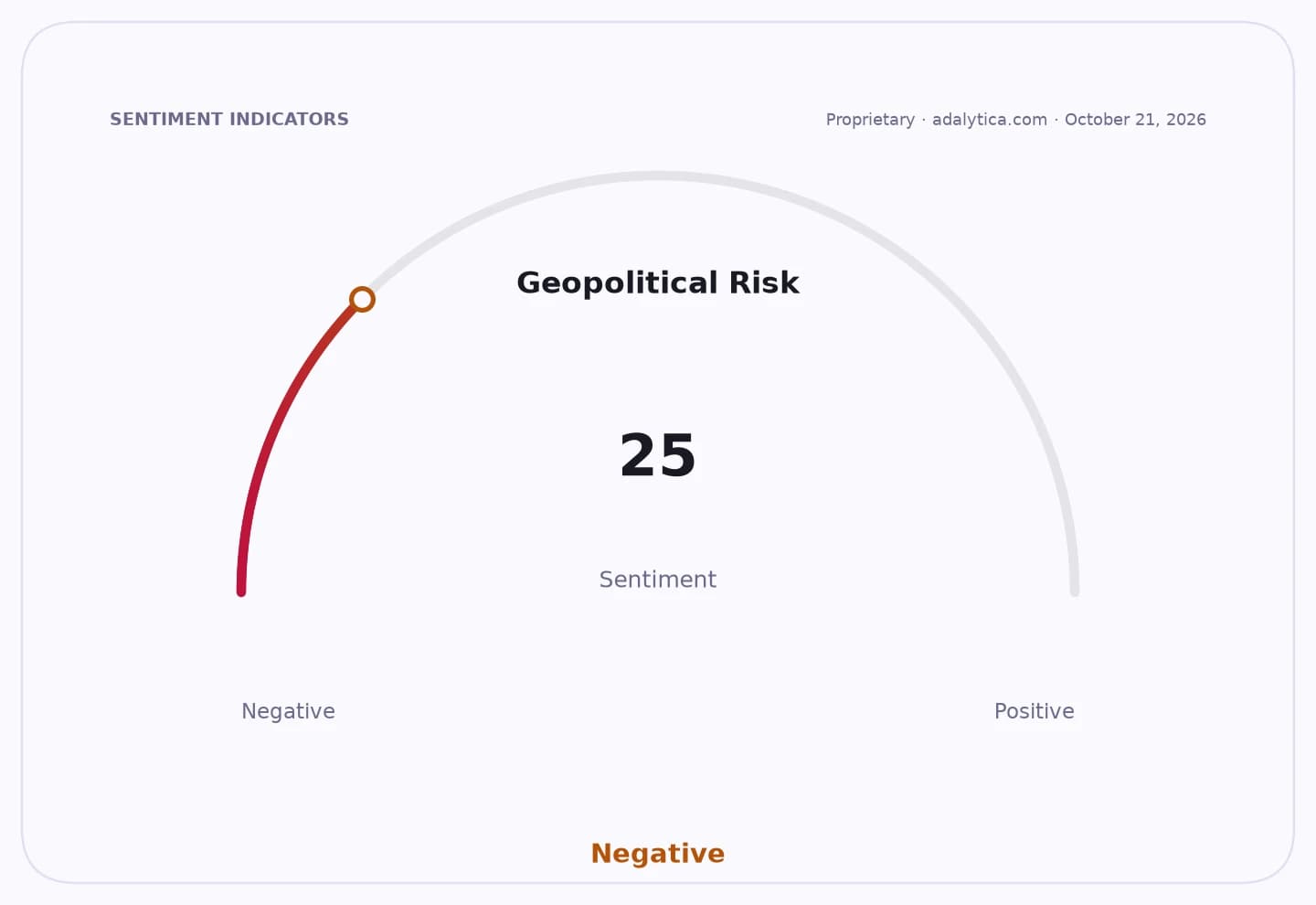
The backdrop is also becoming more favorable for the sector. Global instability has pushed Adalytica’s Global Stability Sentiment to “Extreme Fear,” a reminder that supply chains and energy transition plans remain vulnerable to geopolitical shocks. In that environment, ports and fuel networks that can offer flexibility across LNG, methanol and bio-blends become strategically more valuable, not less. That is why this is not just a China port story — it is a sign that the maritime energy transition is moving into an infrastructure phase.
For investors, the message is straightforward: the market still underprices the picks-and-shovels of marine decarbonization. The best positioning is in companies and funds tied to LNG infrastructure, methanol bunkering, biofuel logistics and dual-fuel vessel demand, because those are the layers that monetize every incremental adoption step. As more Chinese ports copy Ningbo-Zhoushan’s model, the next catalyst is not a policy headline but recurring commercial throughput.
| Entity | Gains | Losses |
|---|---|---|
| Ningbo-Zhoushan Port | ▲Hub status, higher throughput | ▼Smaller ports |
| LNG/methanol/biofuel suppliers | ▲New bunkering demand | ▼Single-fuel operators |
| Shipowners with dual-fuel fleets | ▲Refueling flexibility | ▼Conventional bunker-only fleets |
| Marine decarbonization investors | ▲Infrastructure growth | ▼Fuel-transition skeptics |