Quang Ninh is removing key administrative barriers to its LNG gas-fired power project, but the real test now is whether the developer can secure long-term fuel supply, equipment and a bankable power contract fast enough to turn permits into construction.
Quang Ninh LNG Plant Clears Land and Sea Procedures
The province says land, sea-area and reclamation procedures for the Quang Ninh LNG plant are largely in place after compensation and site clearance were completed, helping move one of the northern coast’s flagship energy projects closer to execution. That matters because LNG-fired generation is being positioned as a bridging source in Vietnam’s power mix, supporting industrial demand growth while the country tries to diversify away from coal and manage grid reliability.
Sentiment Indicators
The project’s footprint is substantial: about 109.82 hectares in total, including 31.33 hectares of land and 78.49 hectares of water, with roughly 20.4 hectares requiring reclamation to create space for the main plant and terminal. Local authorities said site clearance over 41.12 hectares was completed on April 11, 2026, and the developer later filed for land allocation and leasing. The company also completed its project execution deposit on April 28 and submitted reclamation feasibility documents for appraisal in mid-April.
But the most expensive delays are now commercial, not bureaucratic. The developer is still negotiating a power purchase agreement with state utility EVN, a critical step that will determine offtake terms, revenue visibility and project bankability. It is also facing difficulties locking in long-term LNG imports and sourcing two gas turbines, underscoring how a project that appears ready on paper can still be derailed by global equipment shortages and tight fuel markets.
Those bottlenecks matter economically because LNG projects are capital-intensive and highly sensitive to contract structure. Without a stable PPA and fuel supply, financing costs rise and construction risk increases. For Quang Ninh, the reclamation package is only one part of the equation: the project also depends on pricing for fill materials, technical approval of the marine reclamation design and coordination with local coal-processing companies that could supply waste rock for land creation.
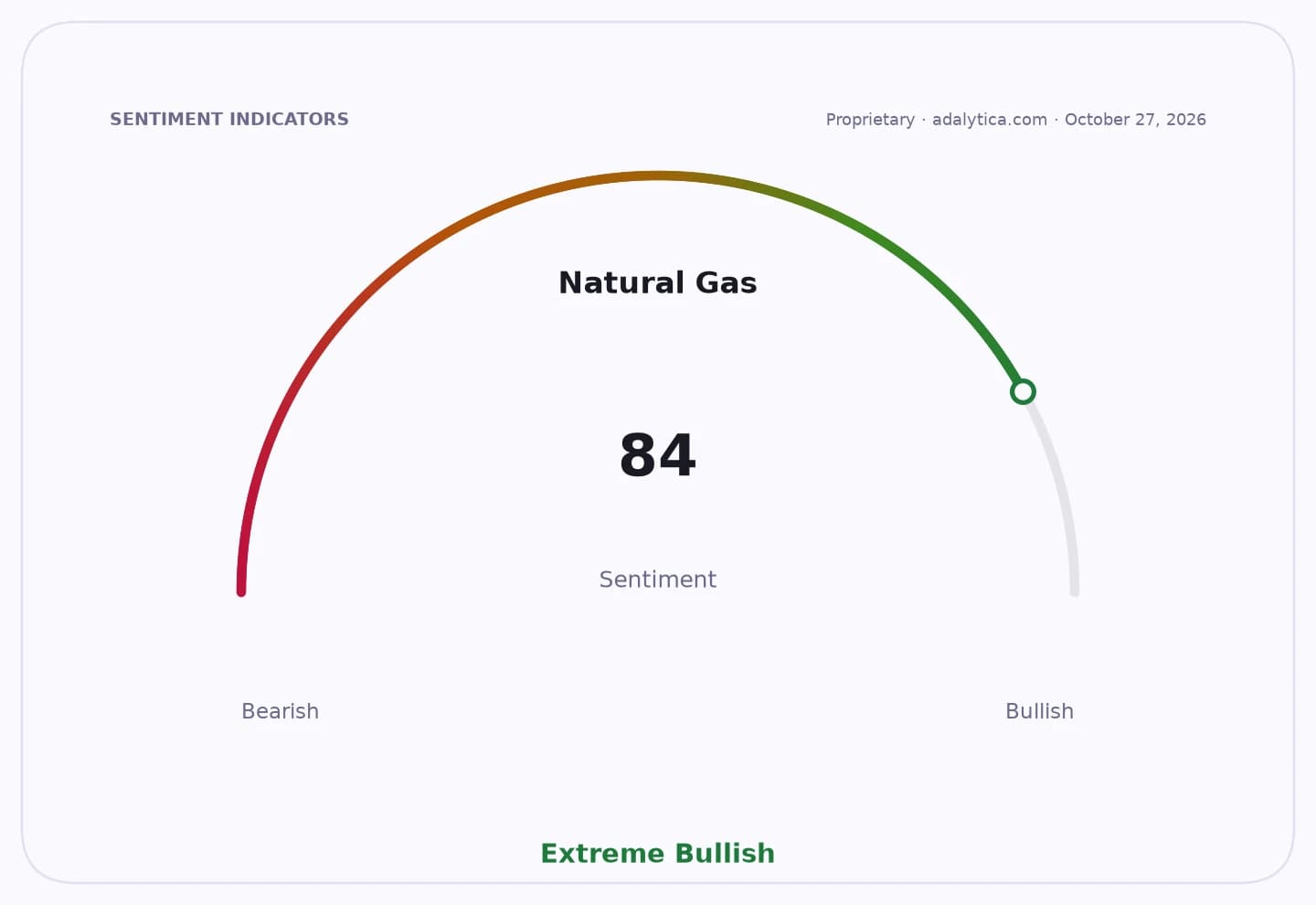
Investors will read the update as a mixed signal. On the bullish side, the clearing of land and marine procedures reduces one of the biggest execution risks and suggests local authorities are moving to unblock a strategic project. On the bearish side, the project still lacks the commercial agreements that ultimately determine whether it can be financed and built on schedule. That leaves the timetable exposed to delays even if the site itself is ready.
The broader significance extends beyond one plant. Vietnam’s LNG build-out is becoming a stress test for the country’s power-sector reform: projects need coordinated action from provincial governments, the central utility, fuel buyers and suppliers to proceed. With global LNG markets still tight and turbine availability constrained, Quang Ninh’s experience shows that administrative approvals are necessary but not sufficient. The next catalyst will be whether the developer can convert land clearance into a signed PPA, secured fuel supply and final equipment orders.
| Entity | Gains | Losses |
|---|---|---|
| Quang Ninh province | ▲Faster project momentum | ▼Pressure to keep coordinating |
| QN LNG Power | ▲Lower permitting risk | ▼Ongoing commercial delays |
| EVN | ▲Potential new generation supply | ▼More contract negotiations |
| LNG equipment and fuel suppliers | ▲Future demand from project | ▼Tight supply if delays persist |