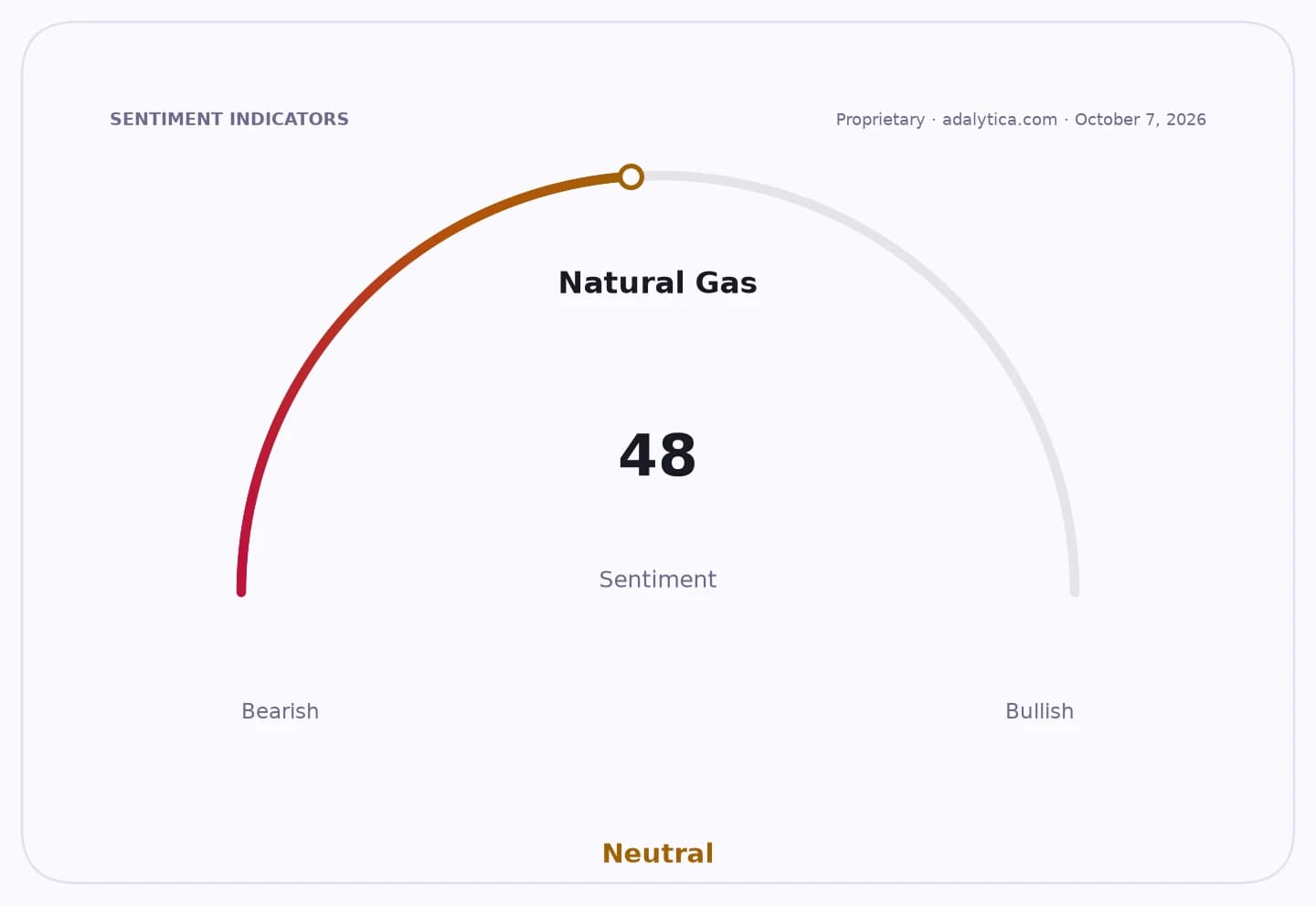
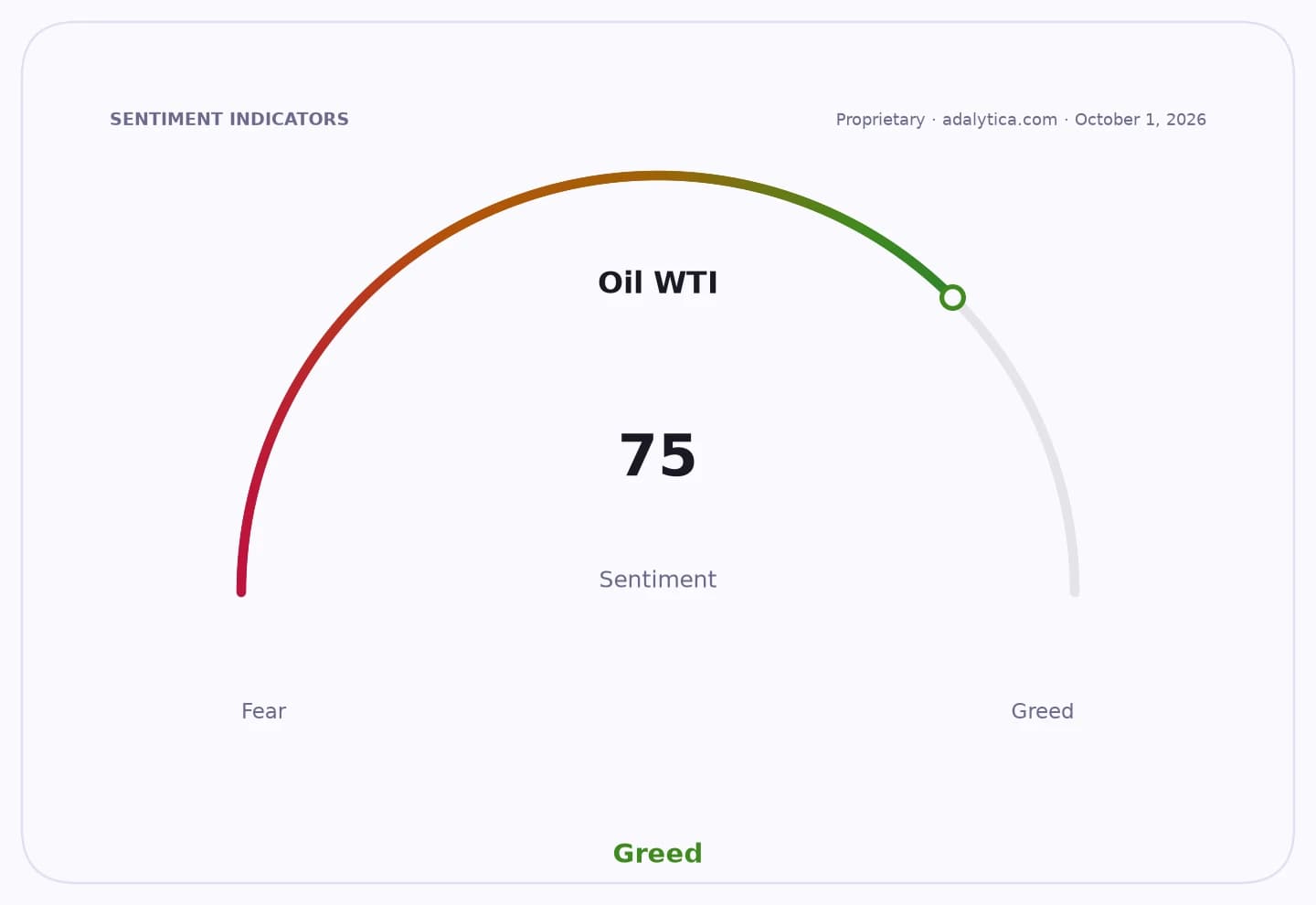
Papua New Guinea has cleared a key hurdle in the Papua LNG project after the signing of a tier-one development forum agreement, a step officials say sets the framework for how gas revenues, royalties and other benefits will be shared.
Papua New Guinea Papua LNG signs benefit-sharing deal
The deal matters because it moves one of the country’s most important energy projects closer to implementation while trying to reduce the political and social friction that has delayed resource developments in the past. For investors, the agreement is a signal that the project is progressing through the complex local benefit-sharing process that can determine whether a multibillion-dollar LNG development stays on schedule.
Sentiment IndicatorsⓘProprietary · adalytica.com · October 12, 2026
This is a snapshot — live sentiment, awareness and momentum for 130+ markets update continuously in the dashboard.Open AlphaPulse
Petroleum Minister Jimmy Maladina said the tier-one accord reflects agreement among the government, provincial authorities, landowners and project partners on the broad contours of a “fair, transparent and sustainable” benefit package. He said the arrangement covers royalties, development levies, equity participation, infrastructure, business development, jobs, training and local-content opportunities.
The minister said the signing is not the end of the process, with negotiations on tier-two through tier-five benefits set to continue through this month and aimed for completion early next month. He urged all parties to proceed in good faith and resolve differences through dialogue and verified information.
The emphasis on local participation underscores the economics of the project for Papua New Guinea, where LNG developments are judged not just on export volumes and revenue but on whether they deliver roads, services, jobs and procurement opportunities in producing regions. A clearer benefits framework also reduces the risk of community disputes that can complicate financing, construction and operating plans.
For the companies involved, the agreement adds another piece of evidence that Papua LNG is moving forward after a period in which major LNG projects in the region have depended as much on political consent as on geology or pricing. Shell, BP and TotalEnergies are among the large energy names tracked by investors in the sector, and progress on Papua LNG is likely to be watched as part of the broader LNG growth pipeline in Asia-Pacific.
The next test is whether the remaining tiers can be settled on time and translated into a final, bankable structure that supports the project’s commercial timetable.
| Entity | Gains | Losses |
|---|---|---|
| Papua LNG project partners | ▲clearer benefit framework | ▼prolonged negotiation risk |
| PNG government and provinces | ▲stronger local legitimacy | ▼pressure to deliver quickly |
| Landowners and local businesses | ▲royalties, jobs, contracts | ▼delayed payouts if talks stall |
| LNG investors and operators | ▲lower project uncertainty | ▼higher execution risk |