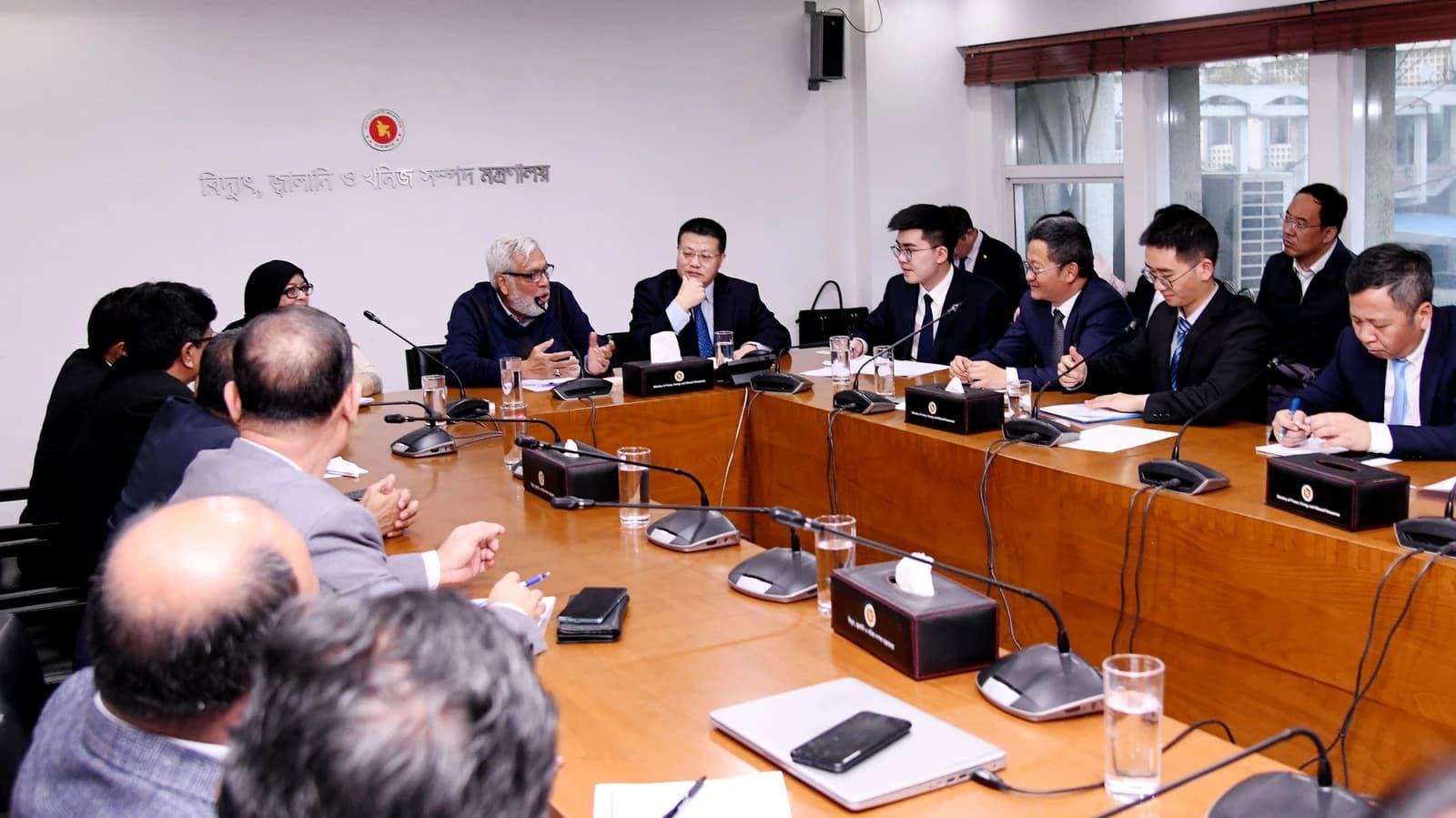
Bangladesh’s push to fast-track a third floating LNG terminal is colliding with a much bigger issue than price: whether the government is choosing speed over a competitive process that could save the country hundreds of millions of dollars.
Bangladesh Third LNG Terminal Cost and Bid Dispute

That matters because Bangladesh is already paying up for energy security. The state is trying to ease chronic gas shortages that have hit power generation and industry, but the latest proposal from China National Energy Engineering & Construction Co. would lock in a 15-year fee of $342,000 a day — above rival bids and well above the economics of some alternatives that were on the table.
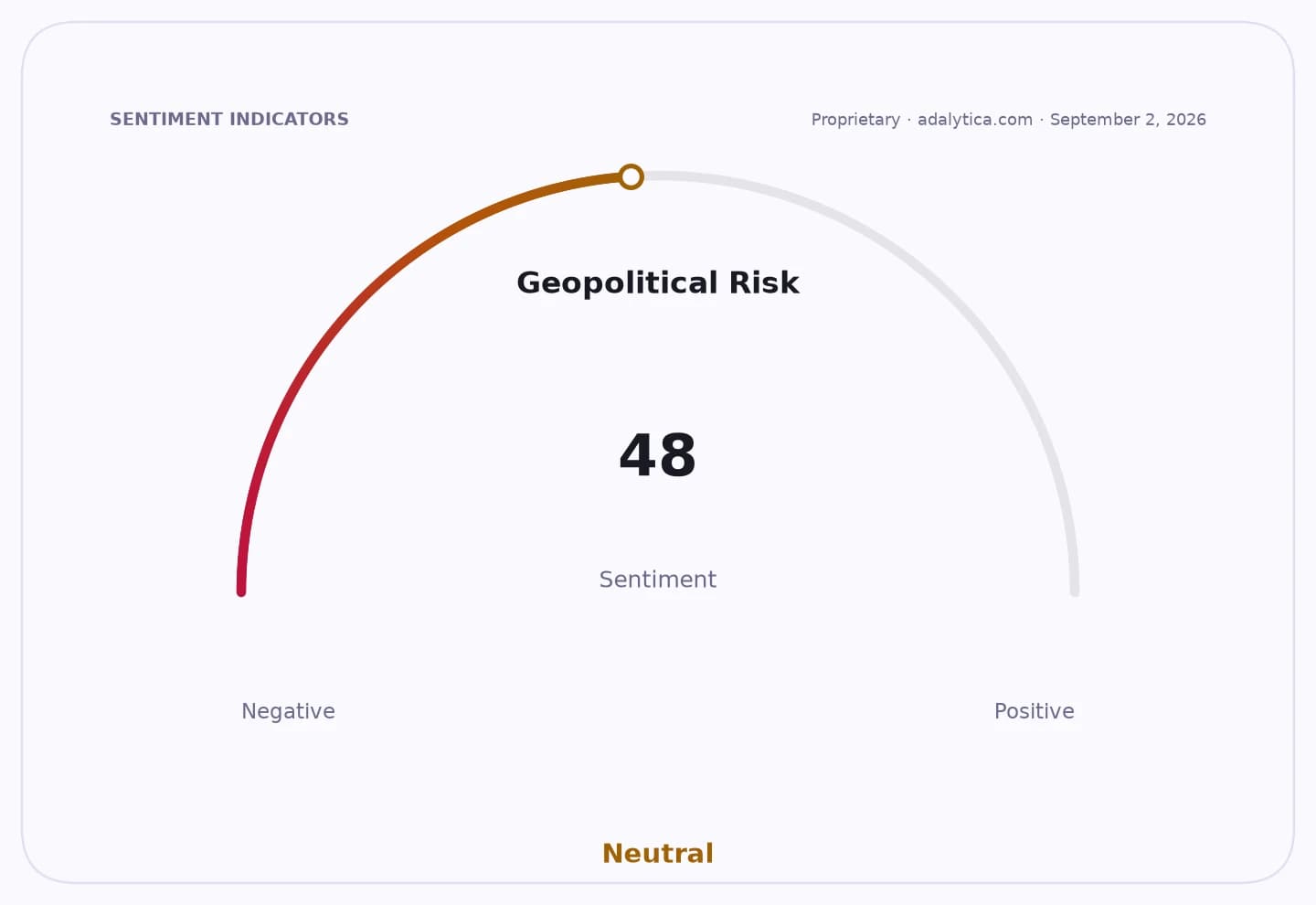
Sentiment IndicatorsⓘProprietary · adalytica.com · September 11, 2026
This is a snapshot — live sentiment, awareness and momentum for 130+ markets update continuously in the dashboard.Open AlphaPulse
The government’s argument is straightforward: a faster terminal could help avert costly electricity and gas shortfalls. Officials have said delays in fuel supply carry a far larger economic penalty than the extra terminal cost. But the numbers suggest the trade-off is not trivial. An official comparison seen by The Daily Star showed Aramco Trading Singapore offered $190,000 a day, while China Merchants Industry and others also came in below CNEE’s eventual offer. One ministry assessment calculated CNEE’s 15-year bill at about $1.87 billion, versus roughly $798 million to $811 million for CMI’s alternatives.
That gap is not just accounting. For a country under pressure from rising energy import costs, weaker foreign-exchange flexibility and persistent power shortages, a decision to pay materially more for the same broad strategic objective raises questions about fiscal discipline, procurement standards and the long-term cost of emergency policymaking. The perception risk is made worse by the fact that a New York-based US company with no prior energy-sector track record, NS Energy Navigation, says its unsolicited proposal was effectively sidelined even though parts of its submission appear to have been reused in the Chinese bid.
The fairness issue could matter beyond this one project. Bangladesh has spent years trying to build out LNG import capacity to stabilize gas supply, and the third FSRU is meant to add flexibility to the system. If the award process is seen as opaque or politically influenced, it could discourage future bidders, narrow competition and ultimately leave the state with fewer credible options — and higher prices — when it needs infrastructure capital most.
There is also a geopolitical layer. The move toward a Chinese state-owned contractor comes after earlier interest from global suppliers including Aramco, OQ Trading and SOCAR. In a market where LNG infrastructure has become a strategic asset, the choice of counterparty can shape financing, delivery risk and diplomatic leverage. Bangladesh’s willingness to accept a higher-priced Chinese offer may reflect urgency, but it also shows how energy insecurity can shift bargaining power toward suppliers that can promise speed.
Investors should read this as a warning about how scarcity reshapes returns in LNG infrastructure. The winners are the contractors and vessel owners able to deliver quickly in a tight global market, not necessarily the cheapest bidders. But for Bangladesh, the losers are taxpayers, power consumers and eventually industrial users who will absorb the cost of rushed procurement. If the government proceeds without a fuller competitive review, the terminal may solve an immediate fuel problem while embedding a much longer financial one.
For now, the key takeaway is that Bangladesh is paying up for speed — and the market for LNG infrastructure is rewarding urgency, even when the economics argue for patience. That makes the next decision on the third terminal more than a procurement story; it is a test of how much a cash-strapped emerging market is willing to spend to buy reliability.
| Entity | Gains | Losses |
|---|---|---|
| CNEE | ▲Higher-fee contract | ▼Cheaper rivals |
| Bangladesh government | ▲Faster FSRU build | ▼Procurement credibility |
| Power users/industry | ▲Short-term gas relief | ▼Higher long-term costs |
| Aramco, CMI, OQ, SOCAR | ▲Competitive bids validated | ▼Award opportunity |