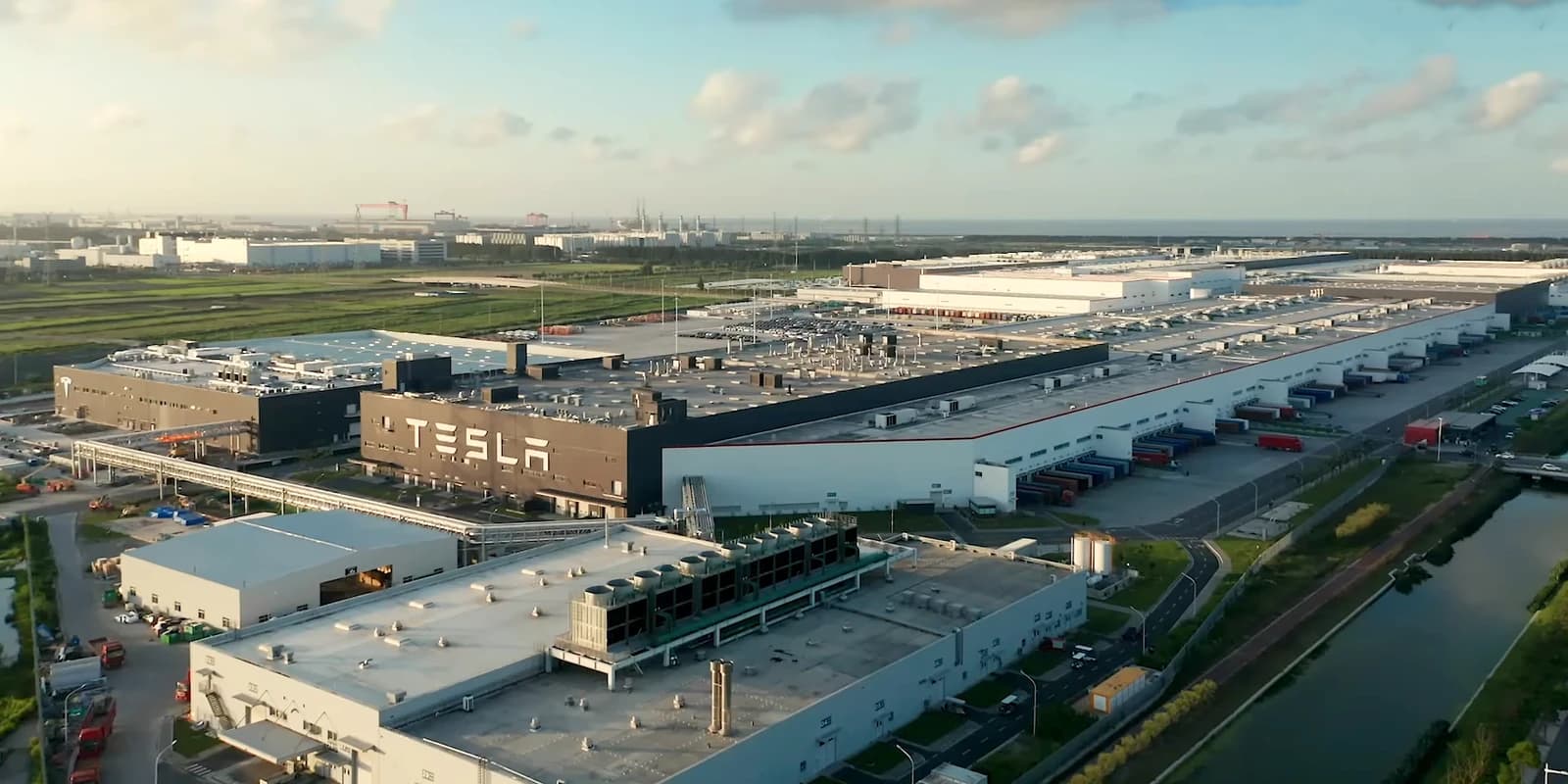
China has set out a five-year plan to bolster its industrial base and upgrade manufacturing, a policy push that matters because it targets the weakest link in the world’s largest manufacturing system: core components, basic materials and foundational software.
China Five-Year Plan Targets Industrial Upgrading

The plan, jointly issued by the Ministry of Industry and Information Technology and other departments, is designed to push technological breakthroughs from the lab into factories while reducing China’s dependence on foreign technology in sensitive areas such as integrated circuits and industrial software. That makes it more than an industrial upgrade agenda. It is a macroeconomic strategy to protect growth, improve productivity and harden the economy against external shocks.
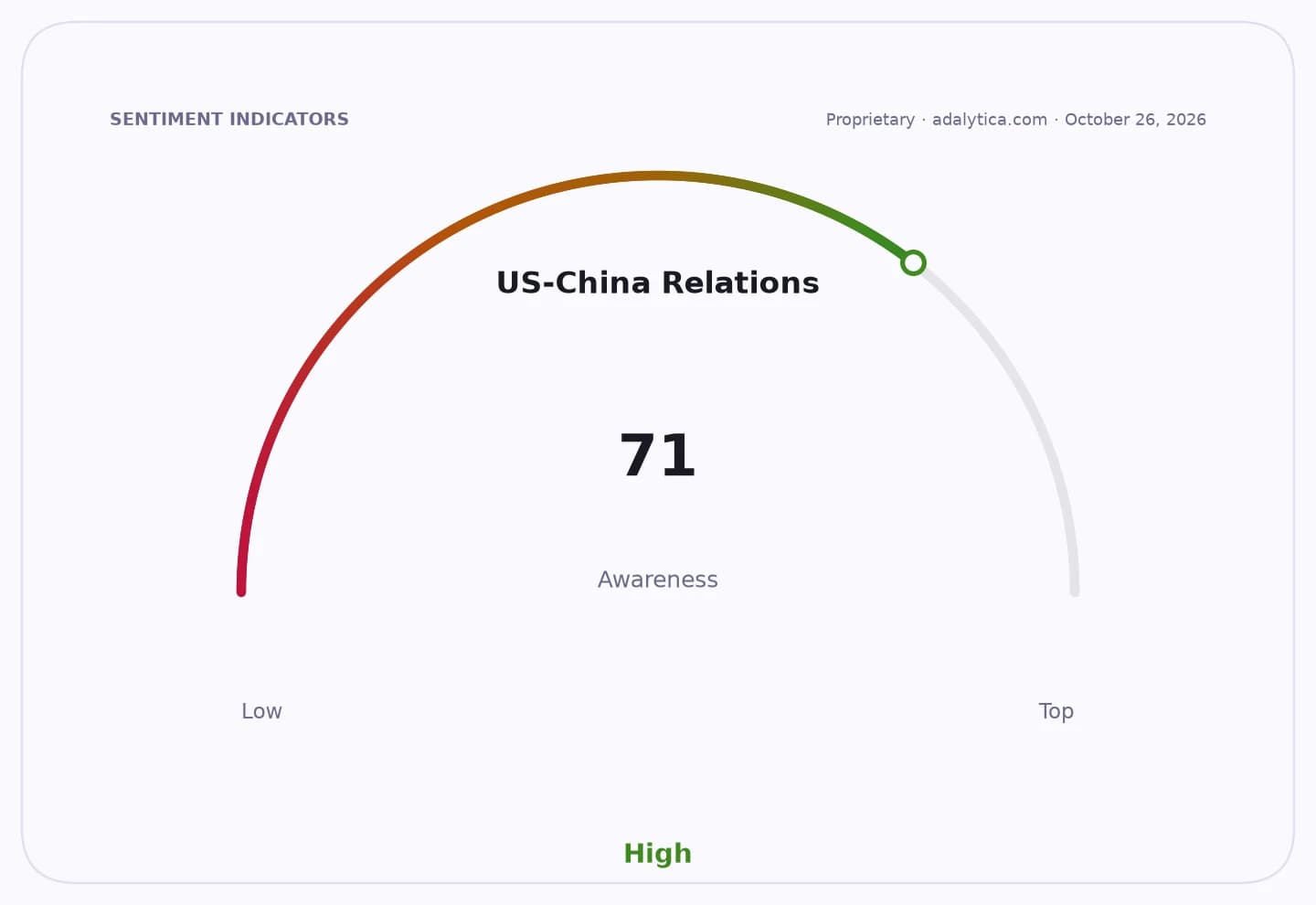
Sentiment IndicatorsⓘProprietary · adalytica.com · October 28, 2026
This is a snapshot — live sentiment, awareness and momentum for 130+ markets update continuously in the dashboard.Open AlphaPulse
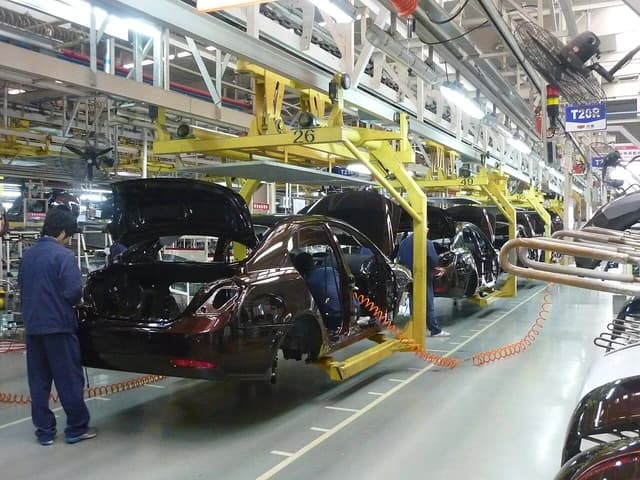
Beijing said the weaknesses in the industrial foundation should be “significantly alleviated” by 2030, with capabilities reaching internationally advanced levels. It also wants to cultivate a new cohort of single-champion manufacturers and so-called “little giant” specialized firms, implying more policy support for niche suppliers that can anchor domestic supply chains.
The economic logic is clear. China has the scale, but officials and academics say it still lacks strength at the high end of the value chain. That structural imbalance — too much low-end output, too little advanced capability — has become more costly as global technology controls tighten and as Beijing pushes for “new industrialization” and higher-quality growth. Strengthening industrial foundations is meant to lift total factor productivity, support private investment in equipment and software, and keep manufacturing central to employment and export capacity.
For investors, the message is that policy support for industrial upgrading is likely to remain durable, even if the near-term market impact is harder to price. The plan favors domestic suppliers in automation, industrial software, advanced materials, testing equipment and components tied to semiconductors and high-end manufacturing. It also reinforces the view that Chinese policymakers will continue to channel credit, subsidies and procurement toward strategic industries rather than rely on broad stimulus alone.
That matters across markets. U.S. chipmakers and technology suppliers with China exposure remain vulnerable to a policy environment that prioritizes self-reliance. Nvidia has already said geopolitics, tariffs and supply-chain disruption can affect demand, while Apple has warned that supply constraints and rising component costs can pressure margins. A more capable domestic industrial base in China could deepen that trend over time by substituting local suppliers for imported technology in selected categories.
The equity read-through is mixed. Chinese industrial and technology names stand to benefit if the plan accelerates orders for domestic equipment, industrial automation and specialized software. But foreign firms that depend on China’s manufacturing ecosystem — from chip designers to advanced component suppliers — face a longer-term risk of displacement as local champions gain scale and policy backing.
The move also fits into a broader geopolitical contest. China is trying to insulate its industrial system from U.S. export controls and other restrictions by building more of the stack at home. That does not mean rapid decoupling, but it does suggest a slower, more expensive reconfiguration of global supply chains, with companies and investors needing to price in persistent policy support for domestic substitution.
For now, the plan reads less like a cyclical stimulus measure than a multi-year industrial roadmap. The key catalyst will be how quickly Beijing turns the broad language of self-reliance into targeted funding, procurement and standards that can move the needle for domestic manufacturers and their investors.
| Entity | Gains | Losses |
|---|---|---|
| Chinese industrial suppliers | ▲More policy support | ▼Less foreign dependence |
| U.S. tech exporters | ▲Near-term China demand | ▼Long-term market share |
| Chinese manufacturers | ▲Upgrading incentives | ▼Higher execution pressure |
| Global supply chains | ▲More resilience if localized | ▼More fragmentation |