TSMC is pressing suppliers to develop rare-earth-free factory equipment, a telling move that shows how China’s control over critical minerals is now reaching deep into the semiconductor supply chain and could eventually affect the world’s most important chip factories.
TSMC Pushes Suppliers for Rare-Earth-Free Equipment
That matters because TSMC sits at the center of global electronics, artificial intelligence and defense production. If Beijing’s export restrictions on rare-earth materials tighten further, the risk is not just higher costs — it is production disruption at the plants that make leading-edge chips for Nvidia, smartphones, data centers and military systems. In other words, a materials squeeze in China is becoming an operational risk for the entire advanced-compute ecosystem.
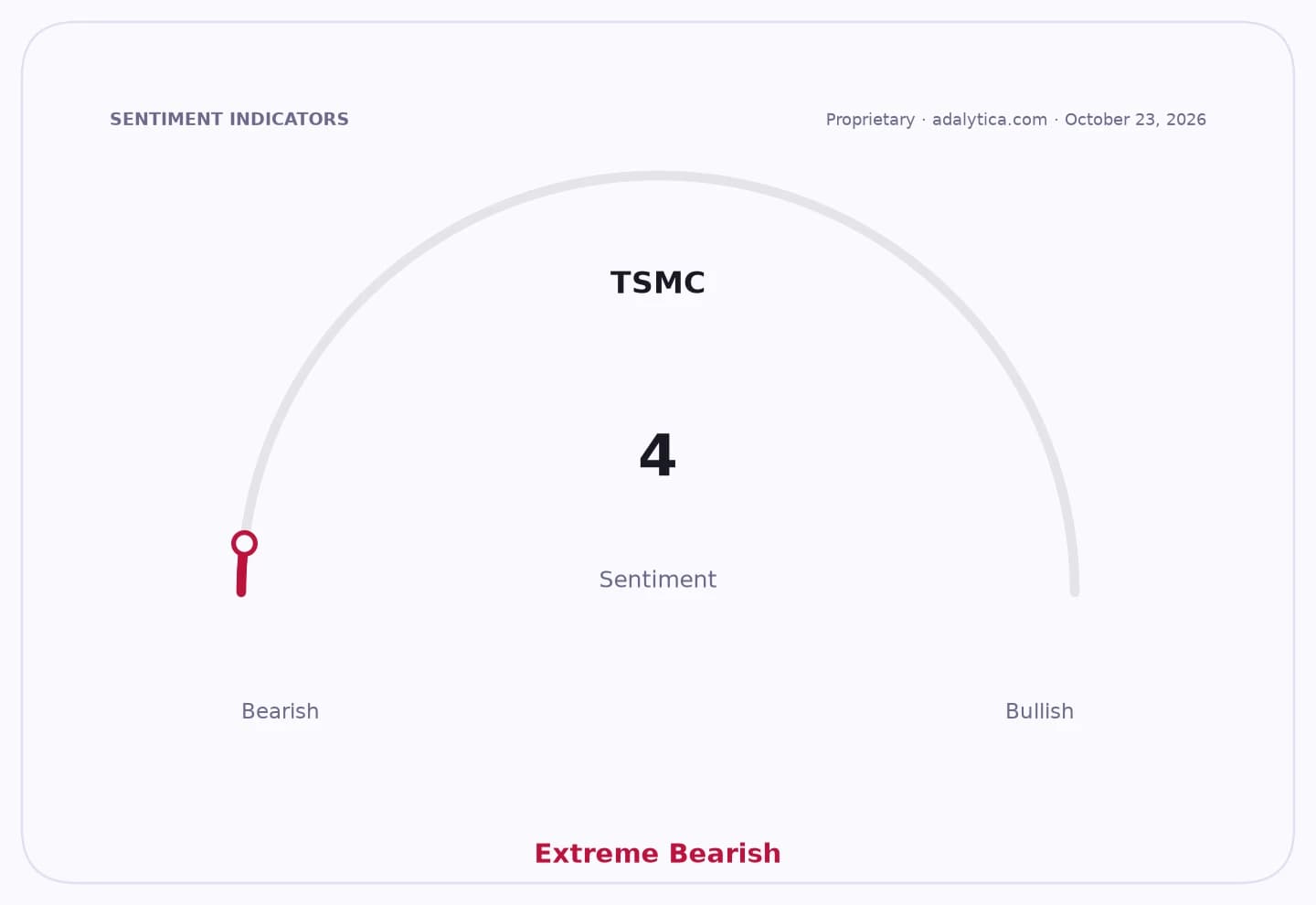
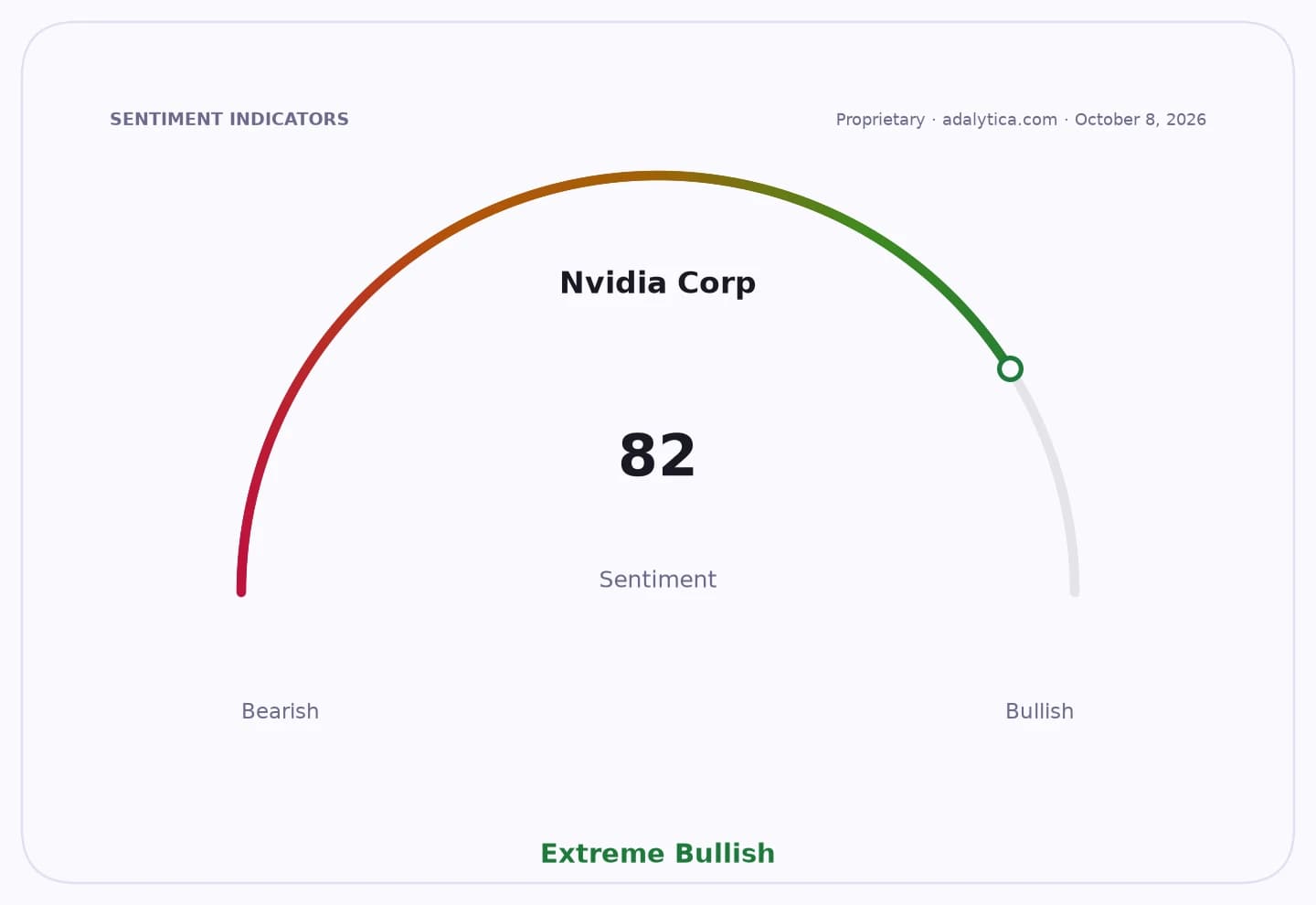
Sentiment Indicators
The company’s search for alternatives is still early, according to people familiar with the matter, and has not yet led to a broad deployment. But the direction is important. TSMC is effectively stress-testing one of the most fragile links in high-tech manufacturing: the motors and automation equipment that move wafers through highly automated fabs. Rare-earth magnets are common in those motors, and a shortage or licensing delay can ripple through tool uptime, yields and delivery schedules.
The wider implications go beyond one company. Washington and Taipei have both been pushing to diversify away from Chinese rare earths and other critical minerals, and Taiwan has backed research into domestic rare-earth technology through ITRI, with a pilot line aimed at meeting roughly half of domestic demand within three years. That is the kind of industrial-policy response investors should watch closely: the semiconductor race is no longer only about chips and lithography, but also about the materials and machinery that keep fabs running.
For markets, the story reinforces a long-standing but still underpriced theme: supply-chain resilience is becoming a capital-spending supercycle of its own. The beneficiaries are likely to be semiconductor equipment makers, alternative motor and materials suppliers, and companies positioned to provide non-China sourcing and process engineering. The losers are firms still exposed to Chinese rare-earth bottlenecks and any chip manufacturer that has not hedged its industrial inputs.
That is why the investment takeaway is straightforward: the rare-earth overhang is not a headline risk that can be shrugged off. It is a structural theme that strengthens the case for owning the picks-and-shovels behind semiconductor production, while treating the most China-dependent parts of the industrial supply chain with greater caution.
| Entity | Gains | Losses |
|---|---|---|
| TSMC | ▲More resilient fabs | ▼Higher near-term costs |
| Semiconductor equipment suppliers | ▲New replacement demand | ▼Legacy suppliers tied to rare earths |
| Taiwan/US critical-minerals push | ▲Strategic autonomy | ▼China-centered supply chains |
| Chip customers like Nvidia and smartphone makers | ▲Lower disruption risk | ▼Production delays if shortages persist |