Rapidus is lining up 17 chip-design partners as Japan’s $15 billion push into advanced semiconductors enters a make-or-break phase: whether the startup can actually secure enough customers for its planned 2-nanometer factory.
Rapidus lines up 17 chip-design partners
The alliance includes Synopsys and Infosys, and is meant to help prospective clients design chips for production at Rapidus’ Hokkaido plant, which is slated to begin making 2-nanometer chips for third parties in the second half of the next fiscal year. That timetable matters because Japan is counting on Rapidus to help rebuild a domestic chip industry that has shrunk from roughly half of global output in the 1980s to less than 10% today.
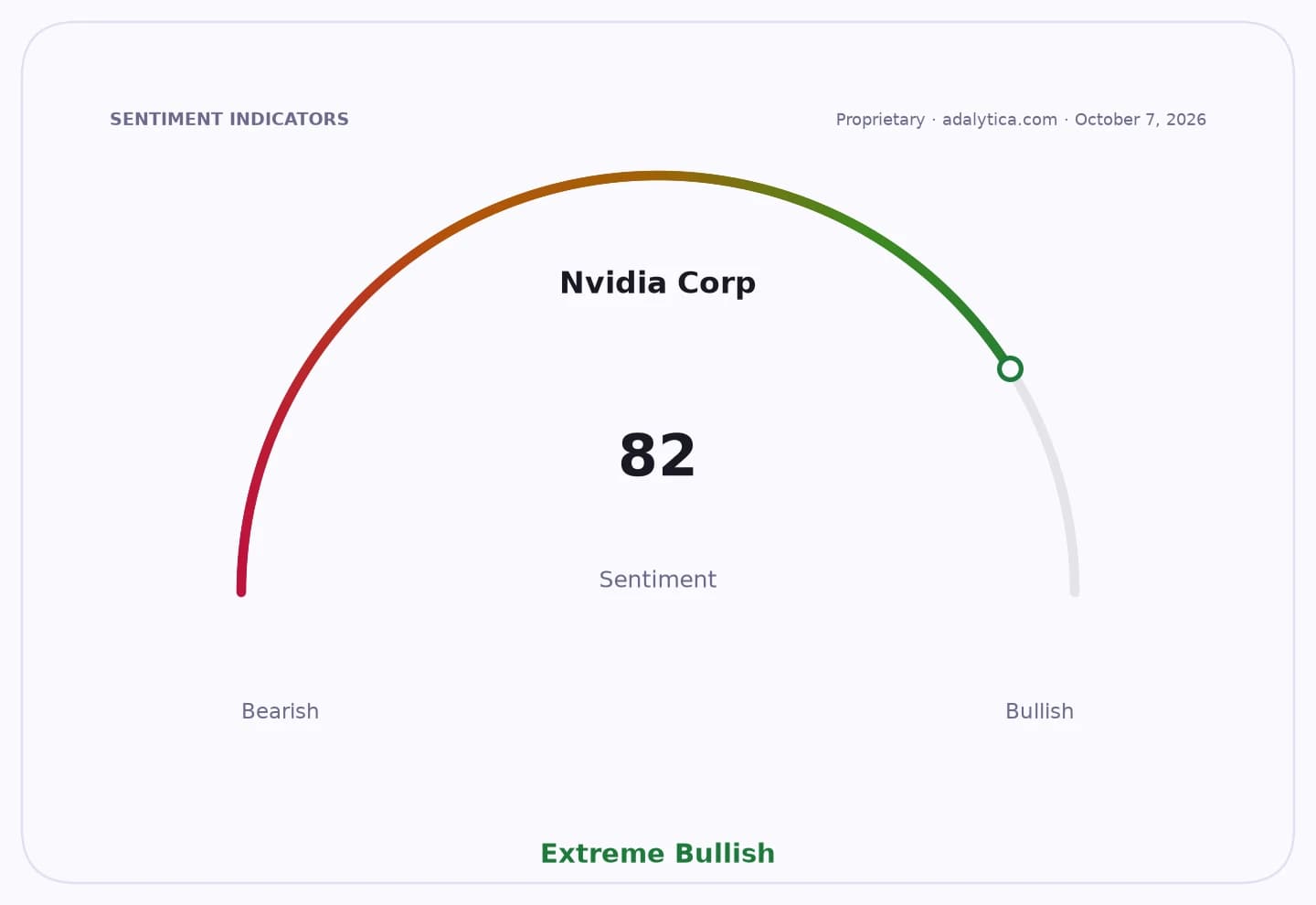
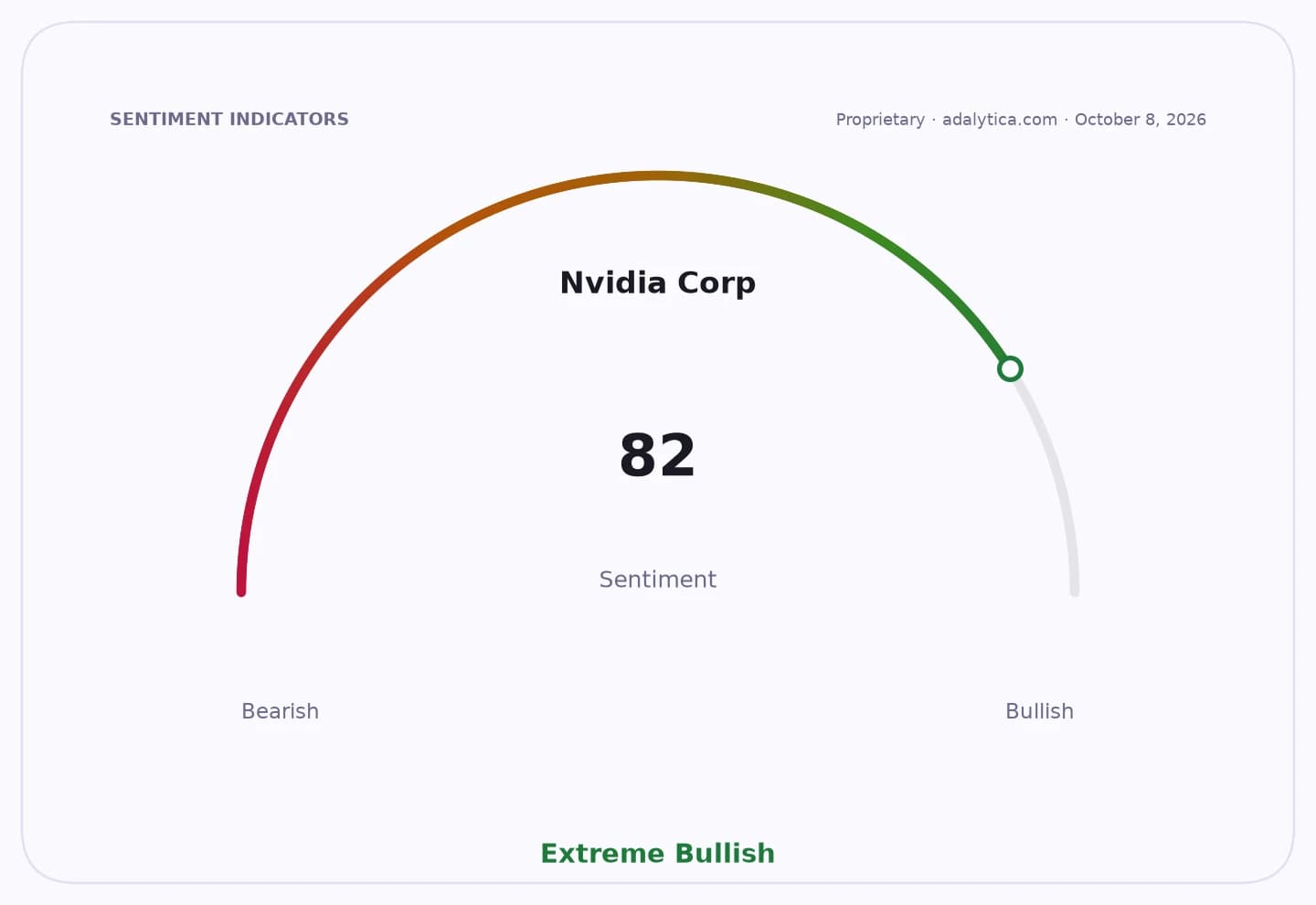
Sentiment IndicatorsⓘProprietary · adalytica.com · October 8, 2026
This is a snapshot — live sentiment, awareness and momentum for 130+ markets update continuously in the dashboard.Open AlphaPulse
For investors, the question is less about political backing than commercial proof. Rapidus has government support and high-level backing from Prime Minister Sanae Takaichi, but it still has to show it can attract enough business to fill a cutting-edge fab in a market dominated by Taiwan’s TSMC, with Samsung Electronics and Intel also chasing advanced-node demand.
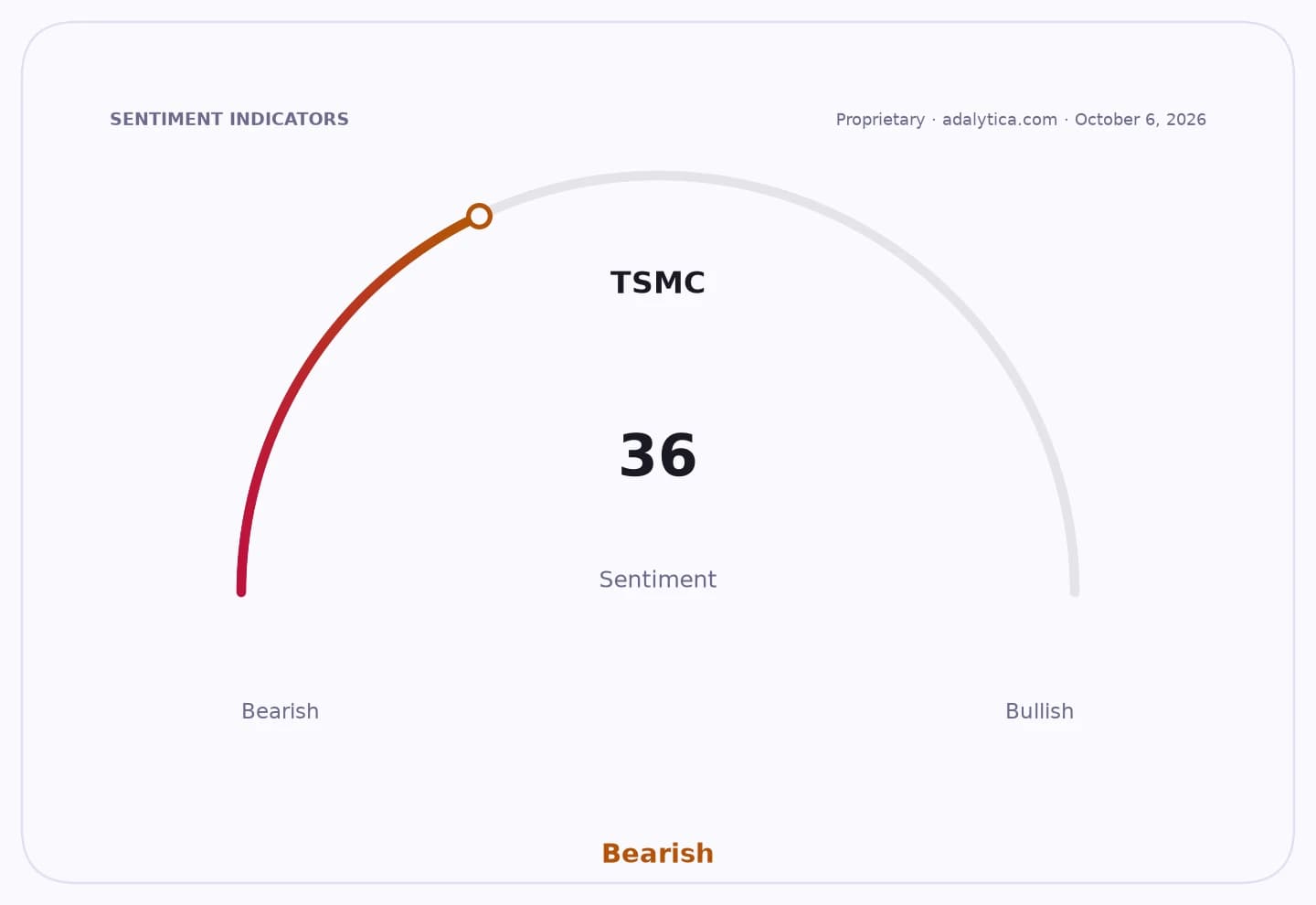
TSMC’s lead remains the benchmark that Rapidus must overcome. The Taiwanese foundry has spent decades refining its processes and still controls most of the advanced-chip market, while analysts say the remaining slice of demand can support smaller customers that cannot get capacity from TSMC or need supplier diversification. That leaves Rapidus targeting a narrow but potentially valuable niche, rather than a direct head-on fight for the biggest orders.
The economics are straightforward: if Rapidus can’t lock in customers before mass production starts, Japan risks another costly industrial miss. If it does, the project could pull in more domestic demand for Japanese materials and equipment suppliers and reduce reliance on supply chains vulnerable to regional tensions, including concern over Taiwan.
Rapidus chief executive Atsuyoshi Koike says the market can support another advanced-node producer, but some customers are moving cautiously because they already rely on TSMC and do not want to switch without proof Rapidus can deliver stable yields and reliable output. Industry watchers say that is the hardest part of the business, with 24/7 fab operations, consistent yields and profitable scale still far from guaranteed.
The stakes go well beyond one plant. Rapidus is aiming for a public listing around fiscal 2031, but the real test will come much earlier: whether it can convert government ambition and AI-fueled chip demand into repeat orders before its first commercial wafers roll out.
| Entity | Gains | Losses |
|---|---|---|
| Rapidus | ▲More design partners | ▼Pressure to prove demand |
| Japan chip suppliers | ▲New domestic demand | ▼Risk of project failure |
| TSMC | ▲Retains market leadership | ▼Faces niche competition |
| Customers seeking diversification | ▲More supply options | ▼Higher execution risk |