The Nikkei’s push back above 70,000 is a reminder that Japan’s market story is no longer just about a weak yen or cheap valuations — it is increasingly being driven by global demand for artificial intelligence, easing fears of another Federal Reserve rate hike and renewed appetite for risk.
Nikkei Reclaims 70,000 as AI Stocks Lead Rally
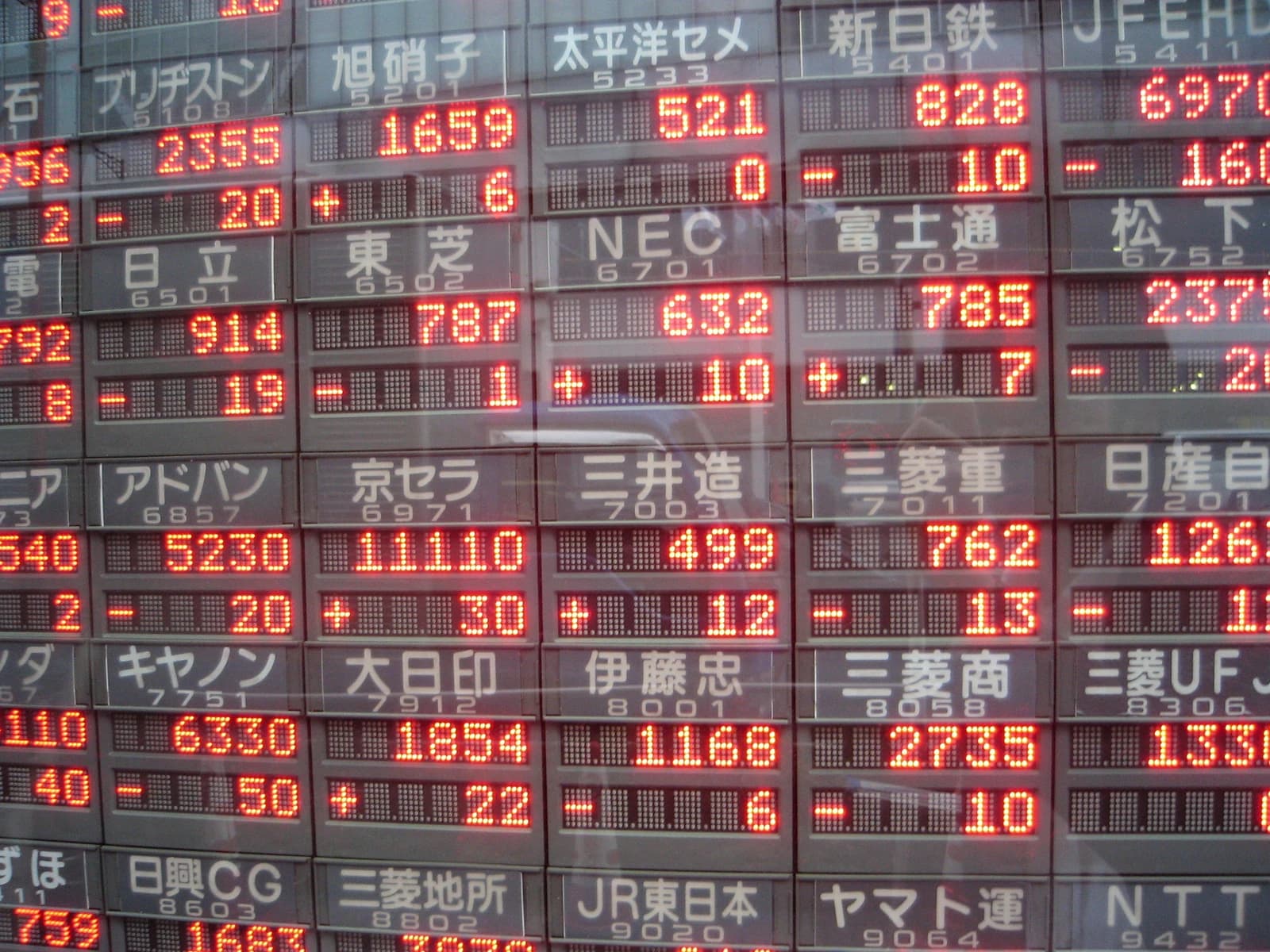
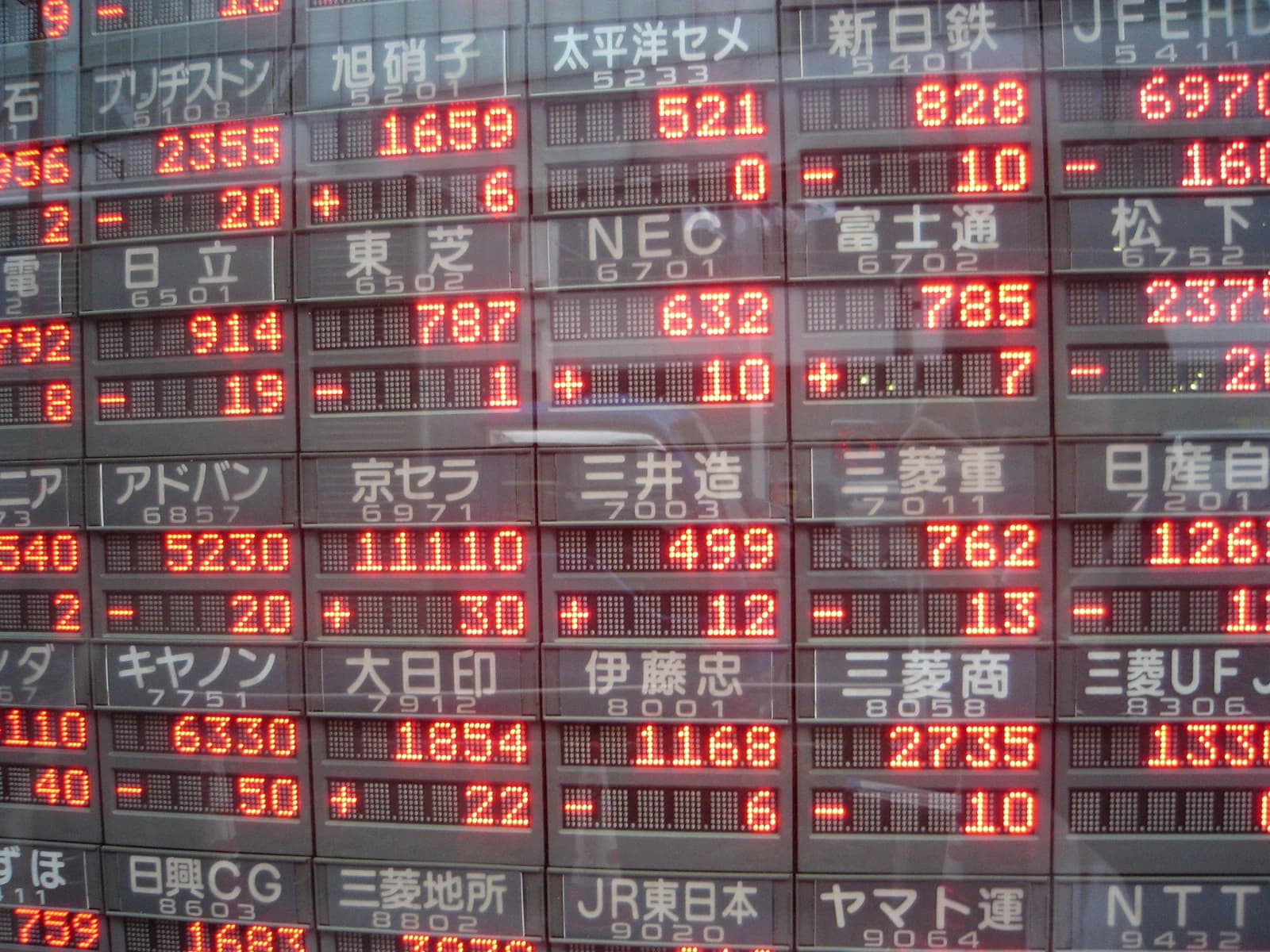
Japan’s benchmark index rose 2.5% in morning trading to 70,037.61, its first move above 70,000 in three months, with semiconductor and AI-linked shares doing the heavy lifting. Tokyo Electron climbed 5.5% and SoftBank Group added 3.3%, while Taiwan Semiconductor Manufacturing Co. gained 2.6%. For long-term investors, that matters because Japan is no longer simply a cyclical trade on exports or policy expectations; it is becoming a way to own the AI capex cycle through hardware, chips and platform investors with global reach.
Sentiment IndicatorsⓘProprietary · adalytica.com · October 5, 2026
This is a snapshot — live sentiment, awareness and momentum for 130+ markets update continuously in the dashboard.Open AlphaPulse
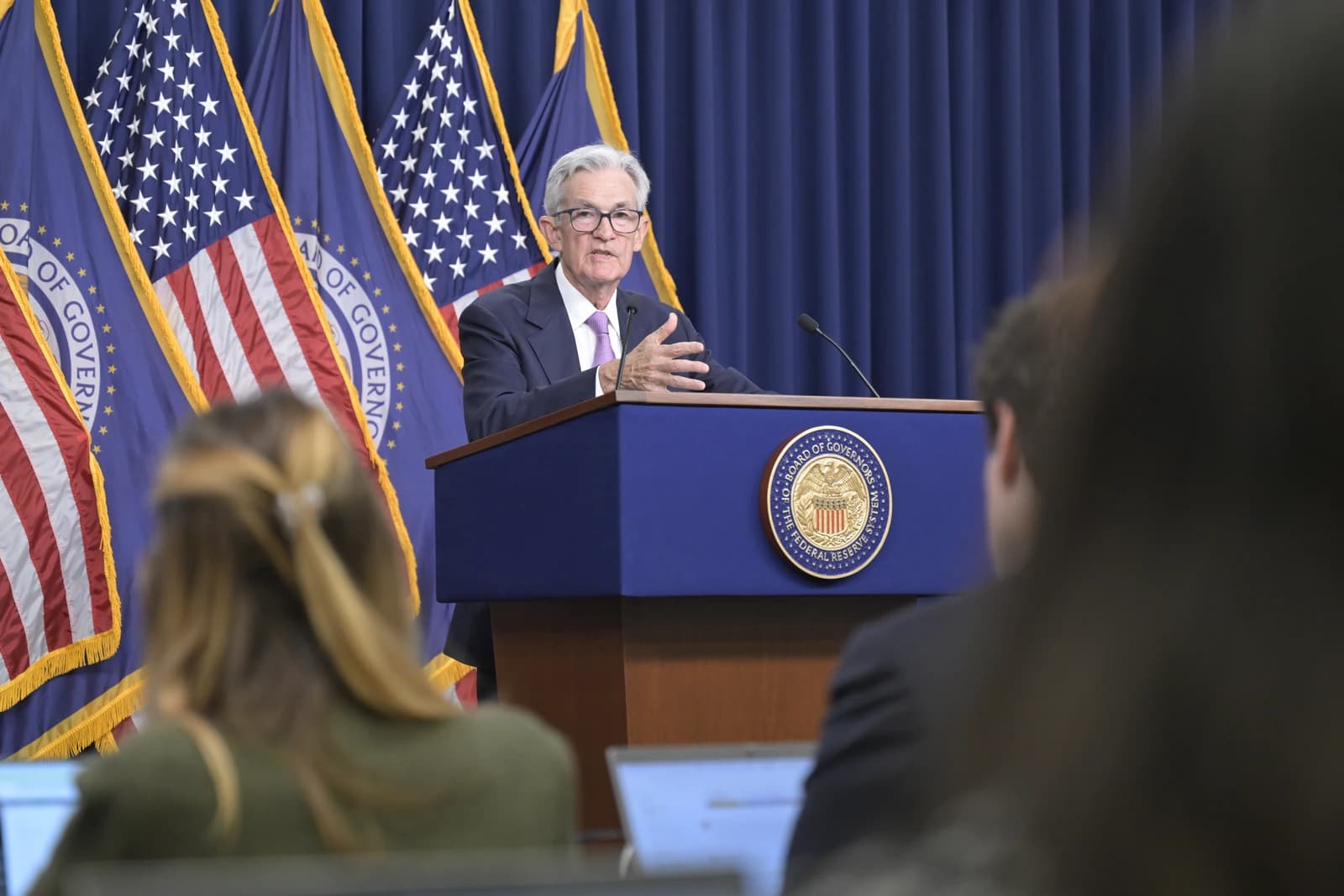
The move came as markets took a cooler reading on U.S. inflation and labor demand to mean the Federal Reserve is less likely to raise rates again soon. That matters economically because higher-for-longer U.S. rates tighten financial conditions everywhere, from corporate borrowing costs to equity valuations. When that pressure eases, growth stocks — especially the chipmakers and AI suppliers that dominate today’s market leadership — tend to regain altitude first.
The broader backdrop is supportive, but not risk-free. U.S. stocks ended last week near record highs after a softer-than-expected payrolls report suggested hiring is slowing. The 10-year Treasury yield, which had recently climbed toward two-decade highs, eased before bouncing back, a sign that bond markets remain on edge even as equities try to look through it. Oil prices also slipped, taking some pressure off inflation expectations, though geopolitical uncertainty in the Middle East still hangs over energy markets.
For investors, the key question is whether this is another short-lived burst or the start of a more durable advance. The answer will depend on whether corporate earnings can keep up with the enthusiasm. Japanese chip and automation names have the right ingredients — exposure to AI infrastructure, global customers and strong secular demand — but they are not immune to valuation resets if U.S. yields climb again or if the Fed’s path turns less friendly.
Still, the fact that the Nikkei has reclaimed 70,000 tells you something important about market leadership. Japan is increasingly participating in the same secular growth themes that have powered U.S. equities, and that gives diversified investors another venue to compound capital over the next three to 10 years. The best way to approach it is with patience, not as a trade, but as part of a broad portfolio of resilient businesses tied to automation, semiconductors and global technology spending.
The rally is worth watching, especially if upcoming U.S. economic data keeps rate-hike fears in check. If that happens, Japan’s biggest beneficiaries could be the exporters and chip suppliers already showing the market where growth is headed.
| Entity | Gains | Losses |
|---|---|---|
| Nikkei 225 | ▲Breaks above 70,000 | ▼Bears betting on weaker risk appetite |
| Tokyo Electron, SoftBank, TSMC | ▲AI chip demand, stronger sentiment | ▼Rate-sensitive sellers |
| Long-term Japan investors | ▲Secular growth exposure | ▼Short-term macro traders |
| U.S. Treasury bears | ▲Softer rate-hike fears | ▼Equities if yields spike again |