Japan’s Nikkei Stock Average climbed more than 700 yen at one point and held in the 66,200-yen range as traders digested the Bank of Japan’s rate hike to 1.25%, the highest in 31 years, and the latest signals that a weaker yen and AI-related demand are still cushioning local equities.
Nikkei Rises as BOJ Hikes Rate to 1.25%

The advance matters because higher Japanese rates normally tighten financial conditions, but this move came with the BOJ still trying to contain inflation pressures driven by expensive crude and persistent currency weakness. For investors, the immediate question is whether policy normalization will keep supporting bank margins without choking off the equity market’s recent momentum.
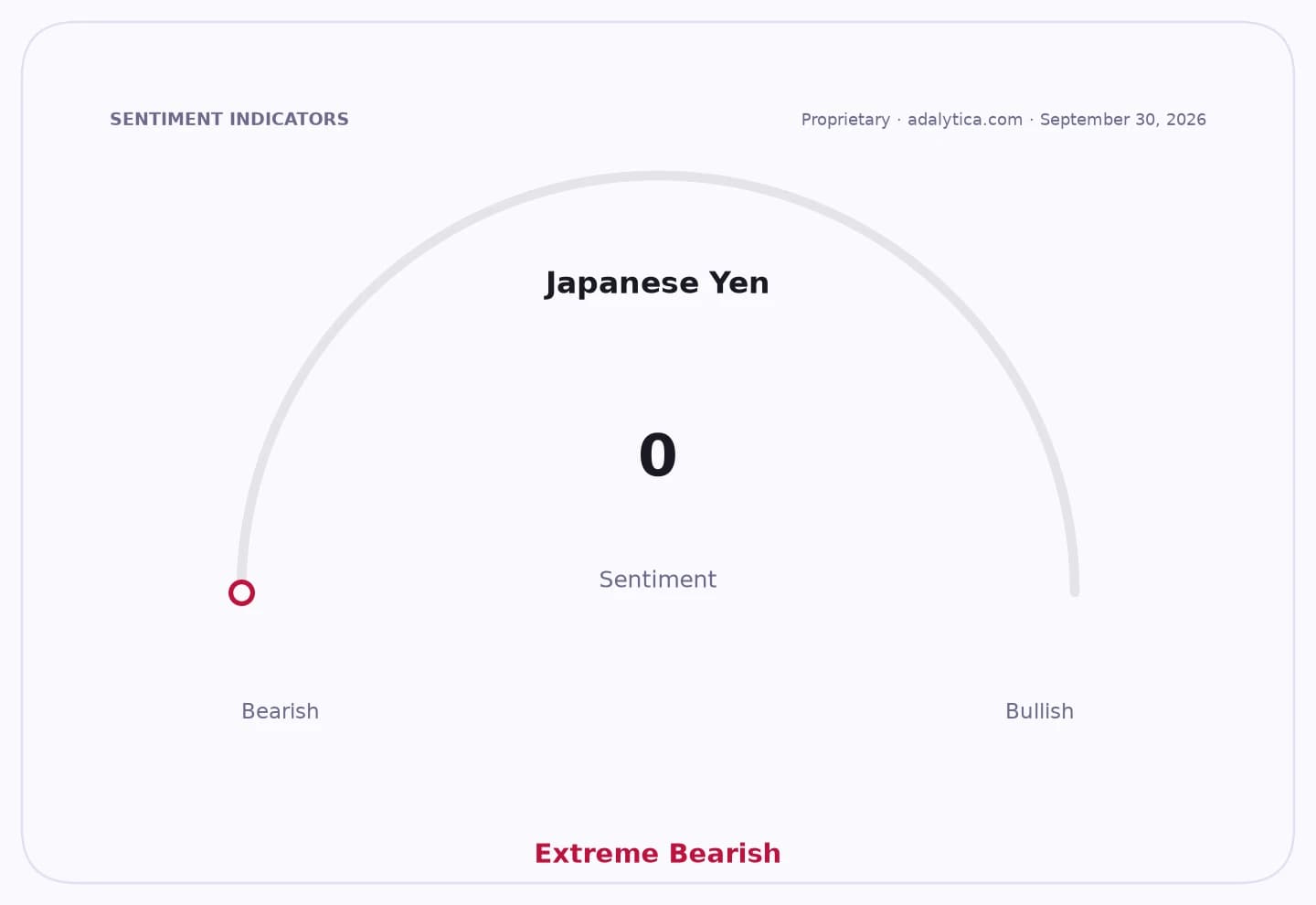
Sentiment IndicatorsⓘProprietary · adalytica.com · September 30, 2026
This is a snapshot — live sentiment, awareness and momentum for 130+ markets update continuously in the dashboard.Open AlphaPulse

The yen remained under pressure despite the policy shift, trading around 157 per dollar and leaving exporters with a tailwind. That currency backdrop helped offset worries that higher borrowing costs could eventually weigh on domestic demand.
On the market side, the Nikkei finished at 66,753.72, up from 65,481.27 the previous session, after briefly touching 66,946.14 intraday. The index is also holding well above its 50-day and 200-day moving averages, while the relative strength index sits in neutral territory, suggesting the rally has not yet reached the kind of stretched condition that often invites a sharper pullback.
The BOJ’s decision also lands against a firmer global rate backdrop, with the U.S. 10-year yield hovering near 5.3%, keeping pressure on Asia’s low-yield currencies. That leaves Japan equities caught between two forces: better earnings support from a weak yen and the risk that a faster pace of policy tightening eventually cools risk appetite.
The next catalyst is whether Governor Kazuo Ueda signals another hike after the holiday period. If he does, markets will likely test whether banks, exporters and AI-linked stocks can keep carrying the index, or whether higher rates start to bite.
| Entity | Gains | Losses |
|---|---|---|
| Exporters | ▲Stronger overseas earnings in yen terms | ▼Importers facing higher costs |
| Japanese banks | ▲Wider lending margins | ▼Borrowers and rate-sensitive sectors |
| Nikkei bulls | ▲Policy support and yen weakness | ▼Traders betting on a quick pullback |
| BOJ hawks | ▲Progress on inflation control | ▼Equity investors wary of faster tightening |