Tokyo shares rallied in the morning session as investors rushed to lock in dividend rights and a softer yen supported exporters, giving the Nikkei a lift in a market still short of fresh catalysts.
Nikkei 225 Rises on Dividend Buying and Weak Yen
The Nikkei 225 closed the morning at 66,318.14, up 804.15 points, or 1.23%, with buying spreading across sectors after a mixed Wall Street finish and ahead of the end-September dividend record date. The move underscores how domestic flow, rather than a new macro headline, is still driving Japan’s market in late-quarter trading.
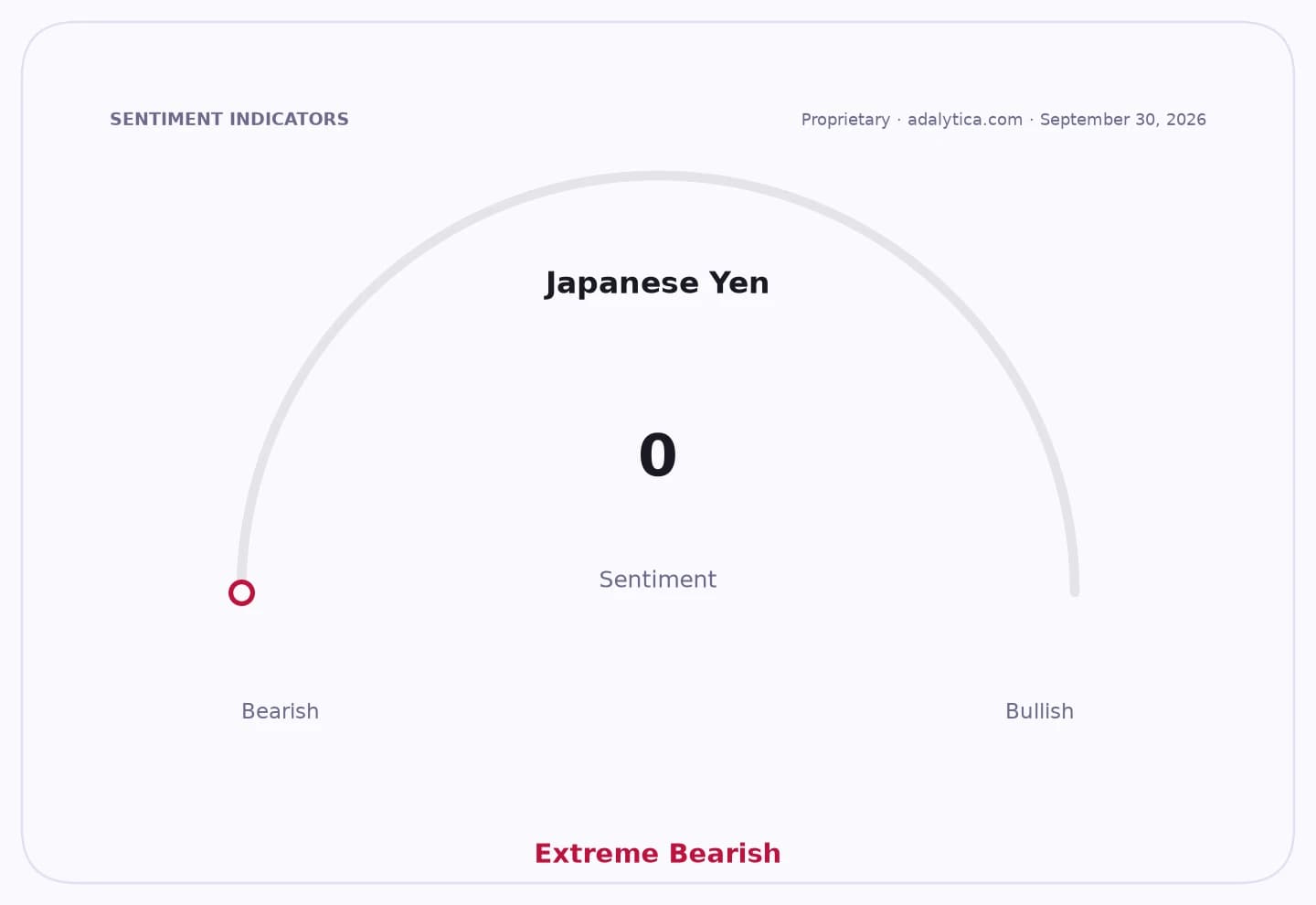
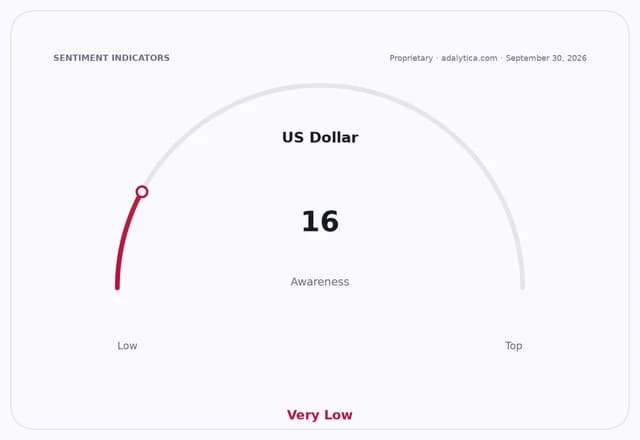
Sentiment IndicatorsⓘProprietary · adalytica.com · September 30, 2026
This is a snapshot — live sentiment, awareness and momentum for 130+ markets update continuously in the dashboard.Open AlphaPulse
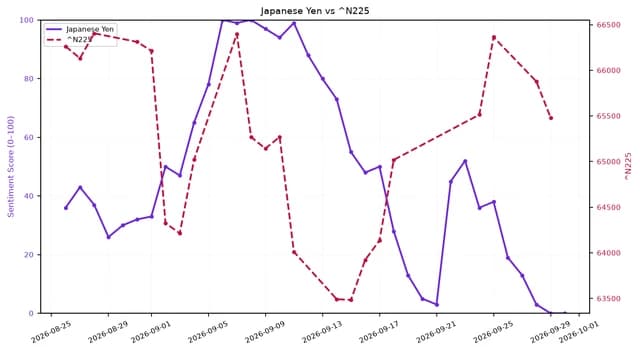
Dividend capture is typically a powerful but temporary force in Japan’s equity market, particularly when large index constituents are trading near highs and investors are seeking cash yield in a low-rate environment. The buying was reinforced by a weaker yen, which tends to improve the earnings outlook for exporters by boosting the value of overseas revenue when repatriated into yen.
Financials also benefited as Japanese government bond yields rose, supporting bank and insurance stocks through better prospects for interest income. That matters for the broader market because banks have been one of the more important transmission channels for higher domestic yields into equity performance.
Technology shares, especially AI- and semiconductor-related names, were another source of strength, reflecting continued appetite for global growth and capex beneficiaries. But the index’s advance was capped by SoftBank Group, after reports that Oracle had invoked force majeure on a data center developer tied to the Stargate initiative in which SoftBank is involved. The episode highlights how quickly sentiment can shift in a market where AI infrastructure spending has become a major equity theme.
For investors, the main question is whether this is a durable breakout or just a quarter-end positioning trade. A weaker yen and firmer bond yields can continue to underpin earnings expectations for exporters and banks, but the market still lacks a decisive new driver, making it vulnerable to reversals if currency moves or global tech sentiment turn.
The yen’s continued softness remains the key macro variable. A persistently weak currency supports listed Japanese multinationals, but it also keeps pressure on policymakers and raises import-cost concerns at home, leaving Tokyo equities dependent on a balance of growth optimism, policy tolerance and quarter-end flows.
| Entity | Gains | Losses |
|---|---|---|
| Nikkei 225 | ▲Dividend buying support | ▼Quarter-end volatility |
| Exporters | ▲Translation gains from weak yen | ▼Stronger import costs |
| Banks/financials | ▲Higher JGB yields | ▼Yield declines |
| SoftBank Group | ▲None | ▼Stargate-related pressure |