The bond-market selloff and the yen’s rebound are now feeding off the same global pressure point: governments and central banks are trying to defend fragile finances by keeping wages, public spending and currencies under control, and workers are paying the price.
Yen rebounds as U.S. yields rise

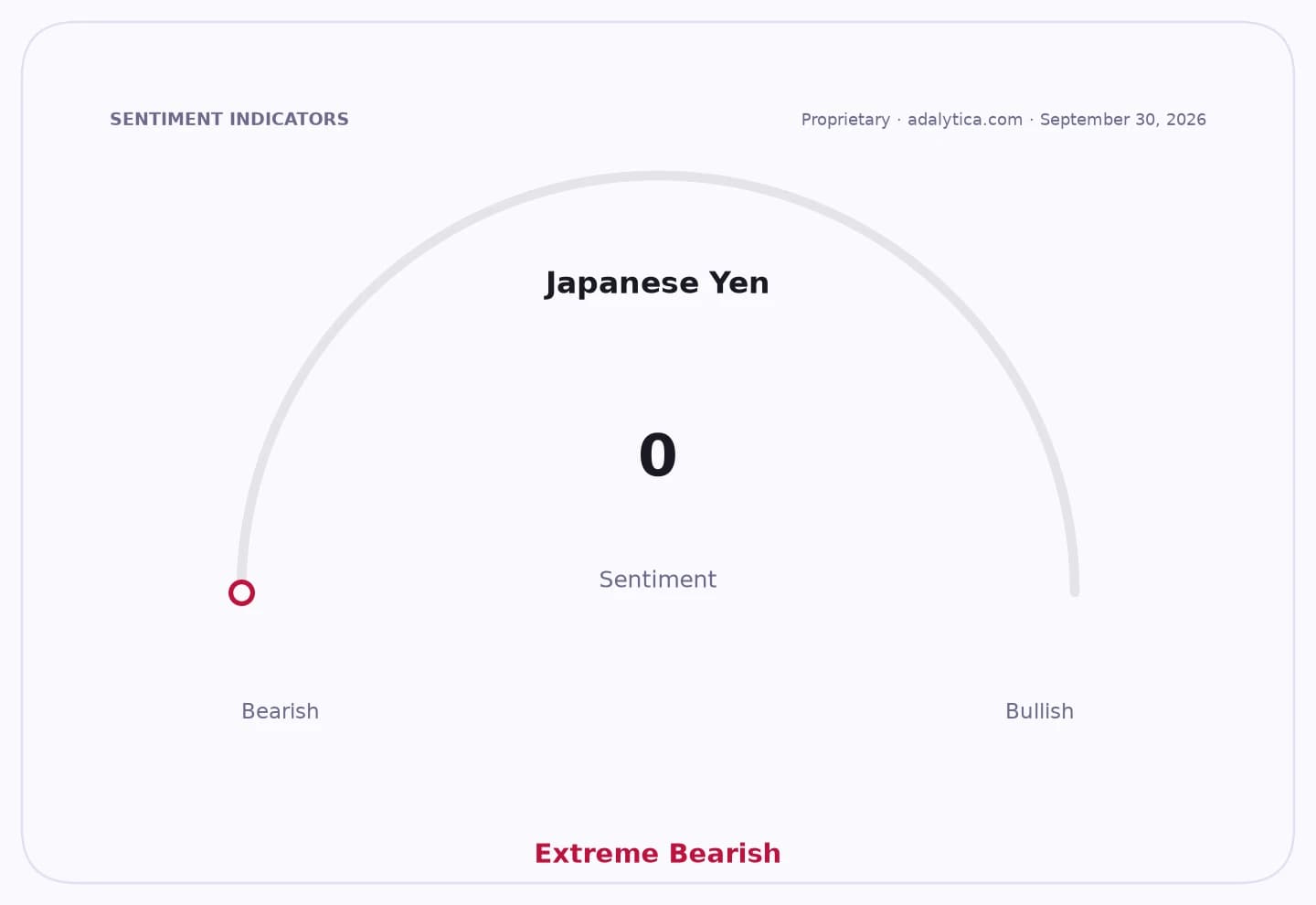
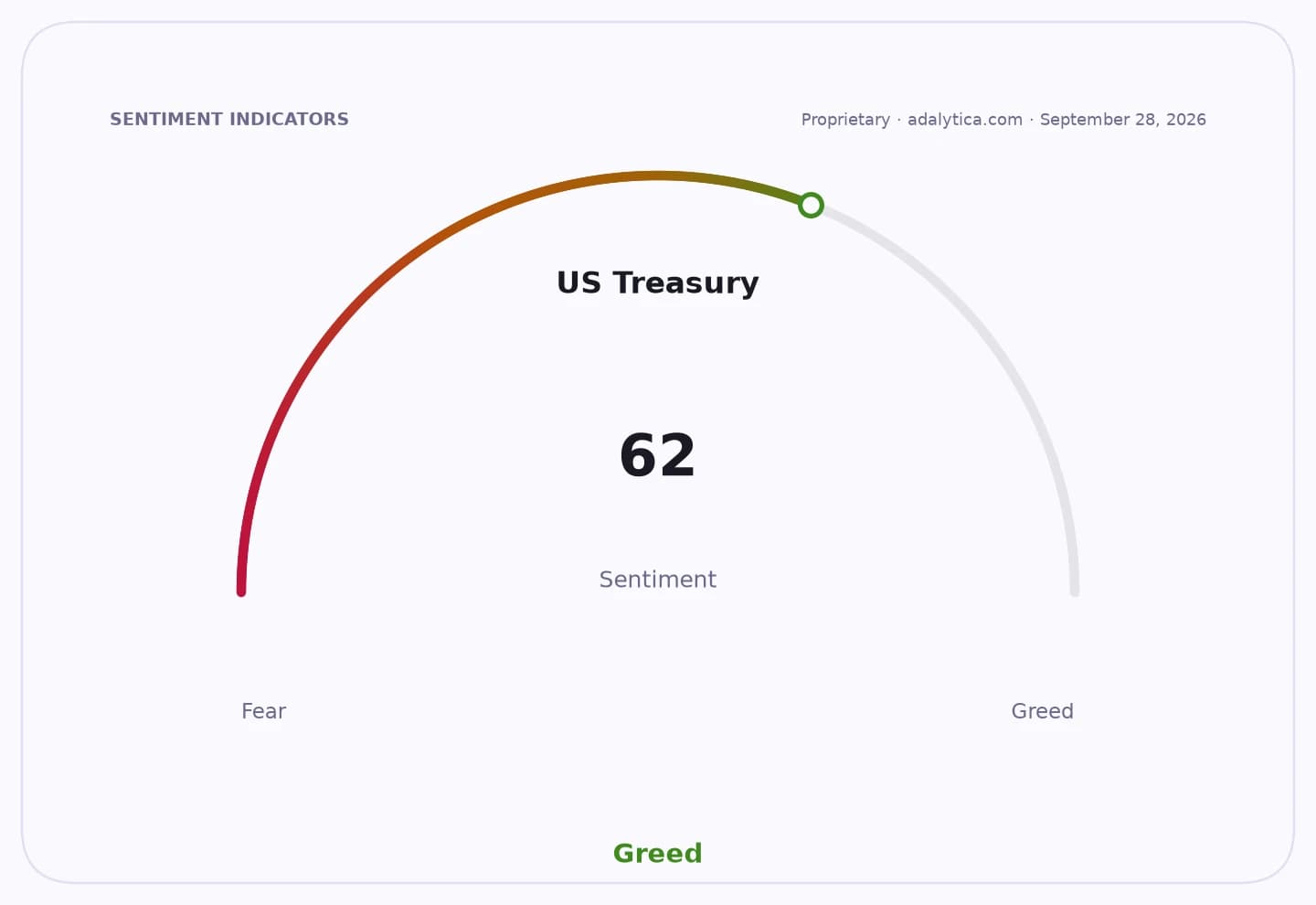
That is the real story behind the jump in U.S. yields, the swings in dollar-yen and the renewed strain around the yen carry trade. The U.S. 10-year Treasury yield has climbed to 5.18%, while the 2-year stands at 4.87%, keeping policy and funding conditions tight. The 10-year minus 2-year spread is only 0.37 percentage point, a reminder that markets still expect growth to slow even as borrowing costs stay punishingly high. In Japan, the yen has firmed to about 157 per dollar after sliding far less than many traders expected, and Adalytica’s Japanese yen trade signals show “Extreme Fear,” even as the currency has gained more than 3% in the third quarter.
Sentiment IndicatorsⓘProprietary · adalytica.com · September 30, 2026
This is a snapshot — live sentiment, awareness and momentum for 130+ markets update continuously in the dashboard.Open AlphaPulse

Why does this matter? Because the yen carry trade — borrowing cheaply in Japan to buy higher-yielding assets elsewhere — depends on a stable, weak yen and abundant global liquidity. As the yen strengthens and U.S. bond yields move higher, that trade becomes less attractive and more dangerous to unwind. When it does unwind, it can force leveraged investors to sell risk assets, lift funding costs and tighten conditions across markets far from Tokyo. That is why a move in Japanese currency can ripple through U.S. Treasuries, equities and emerging markets in a matter of hours.
The pressure is not just financial. It is political and social. Japanese officials have signaled discomfort with the yen’s weakness, while Washington has repeatedly complained that a cheap yen distorts trade. But a stronger yen also tightens the squeeze on Japanese exporters and can feed back into domestic pressure for wage restraint, especially when growth is sluggish. Across developed economies, the same logic is showing up in austerity politics: higher rates make public debt more expensive, which encourages governments to cap spending, slow wage growth and ask workers to absorb the adjustment.
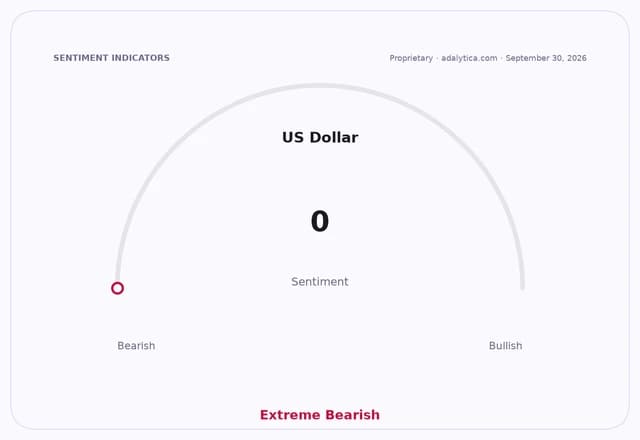
For investors, that creates a very different kind of market regime. Rising long-term yields, a vulnerable yen and fear around the carry trade all argue for caution on highly leveraged assets and on markets that depend on easy money. TBT, the leveraged inverse Treasury ETF, has surged to 42.54, reflecting how aggressively traders have been positioned against bond prices as yields rise. The yen ETF FXY has been stuck around 58.33, well below its spring highs, and technical readings such as RSI and the 50-day moving average show a currency market still struggling for a durable trend.
The larger narrative is simple: the post-crisis era of cheap money is giving way to a world where financing costs are higher, currencies matter more and labor gets asked to do the adjustment. That is not a short-term trading theme. It is a multi-year investing backdrop that favors balance-sheet strength, pricing power and diversified portfolios over leverage and policy dependence. Investors should watch the bond market, the yen and the carry trade closely — because they are now telling the same story about a global economy under austerity pressure.
| Entity | Gains | Losses |
|---|---|---|
| Bond bears / TBT holders | ▲Higher yields | ▼Lower bond prices |
| Carry-trade borrowers | ▲Cheap funding | ▼Currency losses |
| Workers / wage earners | ▲None | ▼Wage restraint, austerity |
| Governments / creditors | ▲Tighter financing discipline | ▼Higher debt-service costs |