Central Asia’s dream of selling electricity east to China is still a concept, but the Eurasian Development Bank has put a sharper price on it: no buyer, no deal, and no export corridor. That matters because the region’s power ambitions, and the capital needed to finance them, will depend on whether Beijing can be convinced to turn a strategic idea into a bankable contract.
Central Asia Electricity Exports to China Need Buyer
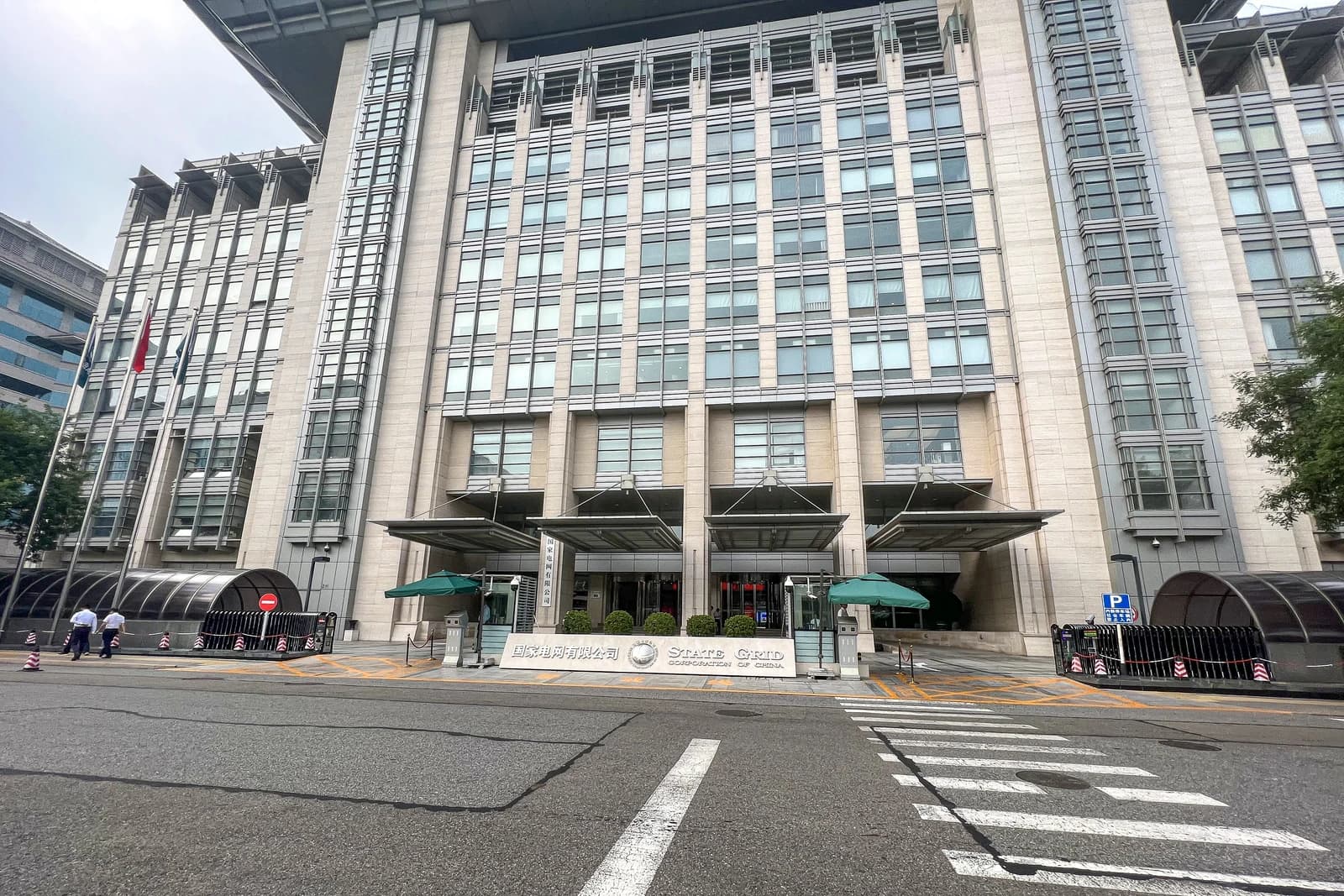
The EDB’s new report says electricity exports to China could become a long-term strategic option for Central Asia, but only if there is confirmed demand, a clear commercial framework and proof the project can work technically. In other words, the market opportunity is real, but the investable opportunity is not yet there. The report, shared exclusively with Trend, underlines that publicly available information still does not identify a buyer, supply volumes, route, technical configuration, pricing model or risk allocation.
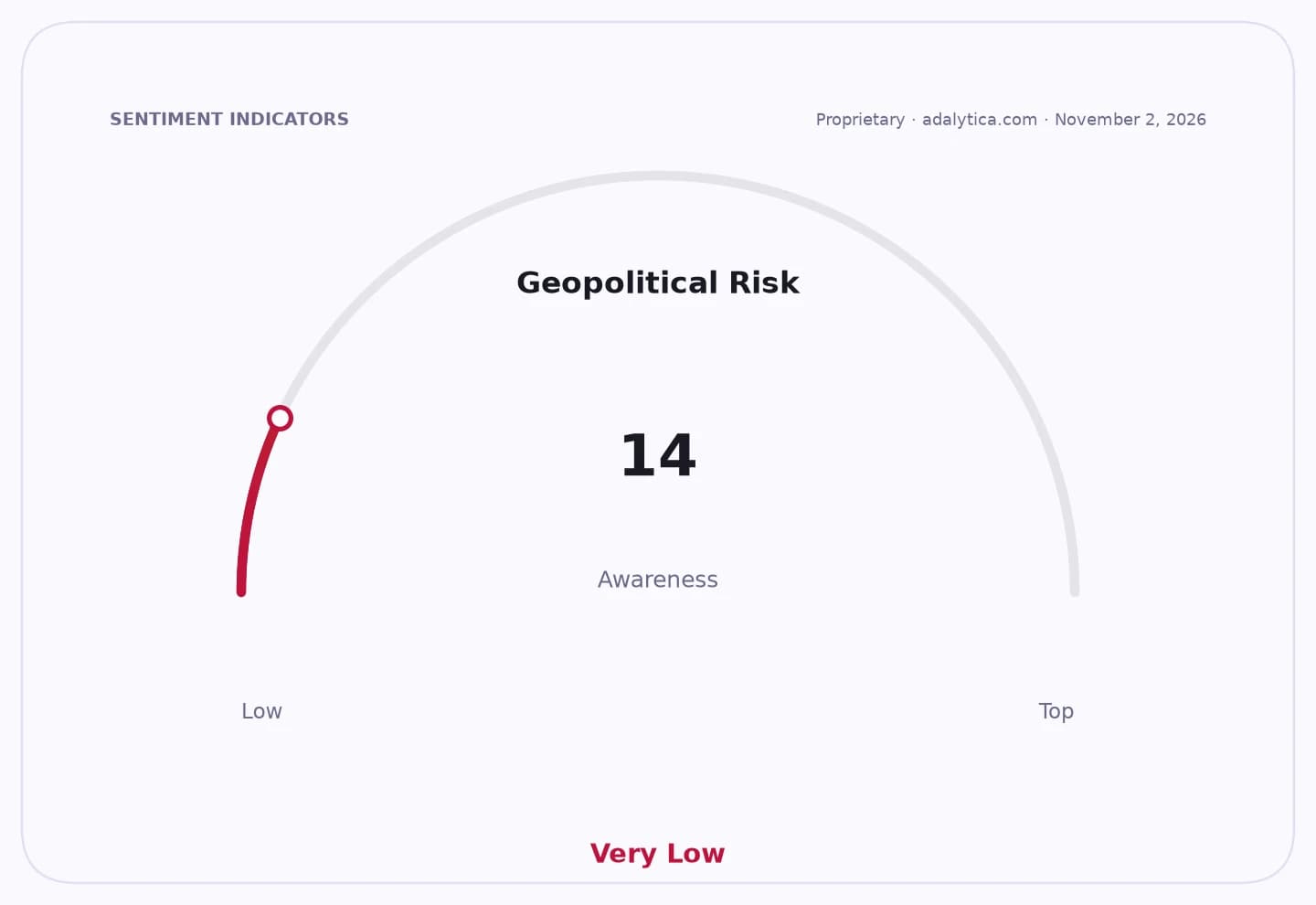
Sentiment Indicators
Geopolitical Risk
That distinction matters economically. Central Asia needs investment in generation, transmission and grid resilience, while China is already building out its own generation, ultra-high-voltage grids and renewable capacity. So the question is not whether China has the technology — it does — but whether it needs imported power enough to anchor a cross-border project. Without that answer, eastbound exports remain an aspiration rather than a revenue stream.
The report points to high-voltage direct current, or HVDC, as the most likely technical solution if the idea progresses. HVDC would allow controllable power flows without requiring the two systems to run in strict synchronization, but the infrastructure would be expensive and would require large, guaranteed supply volumes. That makes the project inherently capital intensive and highly dependent on long-term offtake certainty.
For investors, the implication is that the real trade is not a near-term utility export story. It is a long-duration infrastructure and grid modernization theme. If Central Asian states can first deepen their own interconnected power system, they improve their negotiating leverage, reduce reliance on a single external buyer and create the foundation for exports that could also lift the value of renewables. That opens the door to equipment suppliers, grid developers, transmission specialists and project financiers well before any electrons are sold.
The broader geopolitical angle is just as important. A route to China would reduce Central Asia’s dependence on Russian-linked energy architecture and pull the region further into Beijing’s infrastructure orbit. But the EDB is effectively warning that coordination among Central Asian governments will determine whether the region captures that upside or remains stuck with fragmented systems and weak bargaining power.
The market should read this as an early-stage inflection point, not a headline-grabbing contract. The winners, if the project matures, will be the companies that sell transmission hardware, HVDC systems, storage and grid engineering, not the entities betting on immediate export revenues. For now, the opportunity is in the buildout, and the next catalyst will be a feasibility study with a real buyer attached.
| Entity | Gains | Losses |
|---|---|---|
| Central Asian grid builders | ▲Future infrastructure funding | ▼Fragmented power systems |
| HVDC and transmission suppliers | ▲New project pipeline | ▼No-bid status quo |
| China power buyers | ▲Access to optional imports | ▼Higher import reliance if deals advance |
| Central Asian exporters | ▲Long-term revenue diversification | ▼Near-term uncertainty and capex burden |