China’s gas market is shifting in a way that matters far beyond Beijing: liquefied natural gas demand is cooling while pipeline supplies from Russia are taking a bigger share, and that combination could reshape global pricing, trade flows and the fortunes of LNG exporters.
China LNG Demand Slows as Russia Pipeline Grows
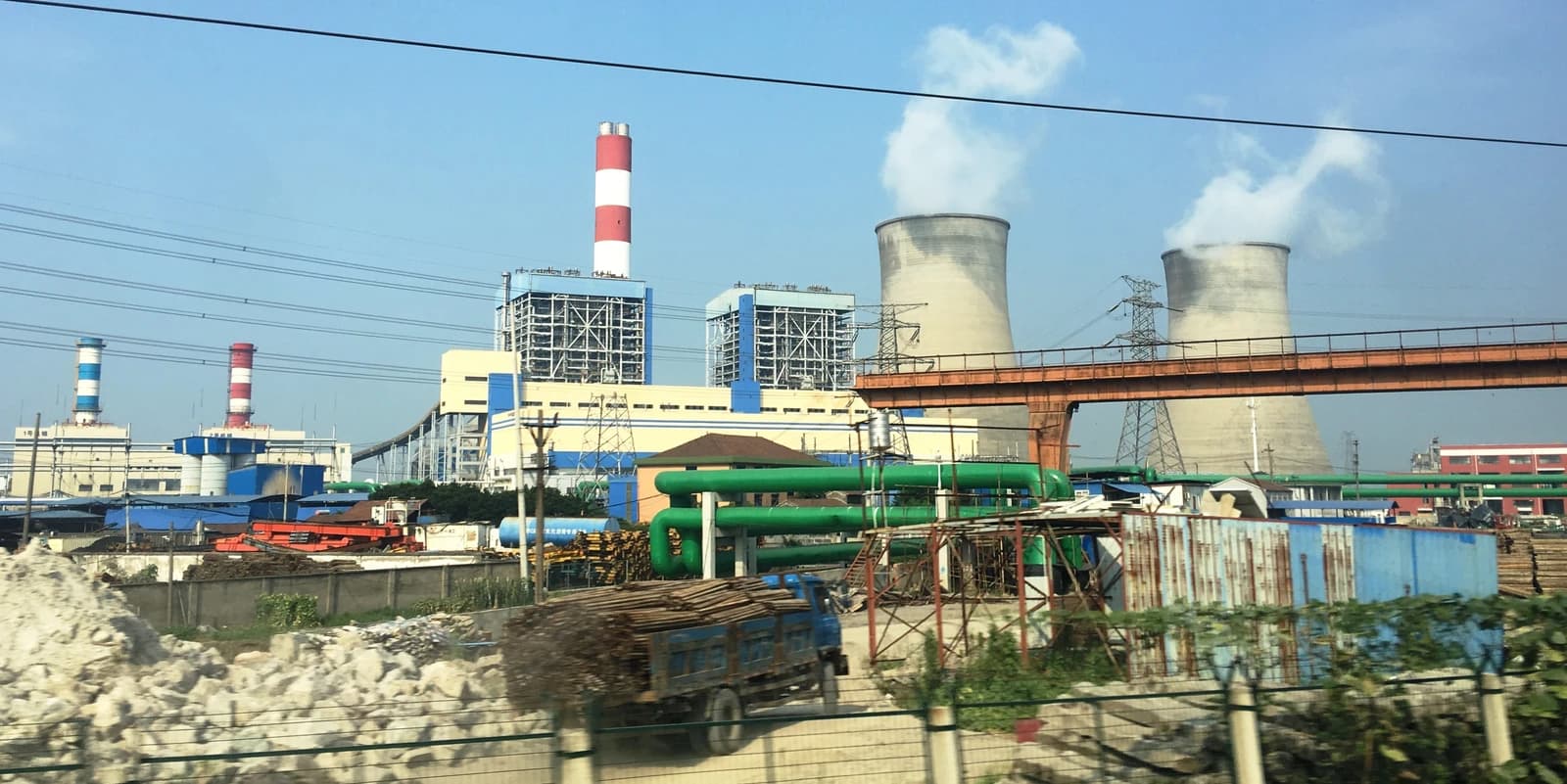
The central question is no longer whether China will keep buying more gas. It will. The question is where that gas comes from, and the answer is increasingly domestic output and pipelines rather than seaborne LNG. Industry estimates put China’s LNG demand this year at about 61 million to 62 million tons, below Japan in some forecasts and well short of the 79 million-ton import peak reached in 2024. At the same time, China’s pipeline gas imports are climbing, with Russian deliveries doing most of the heavy lifting.
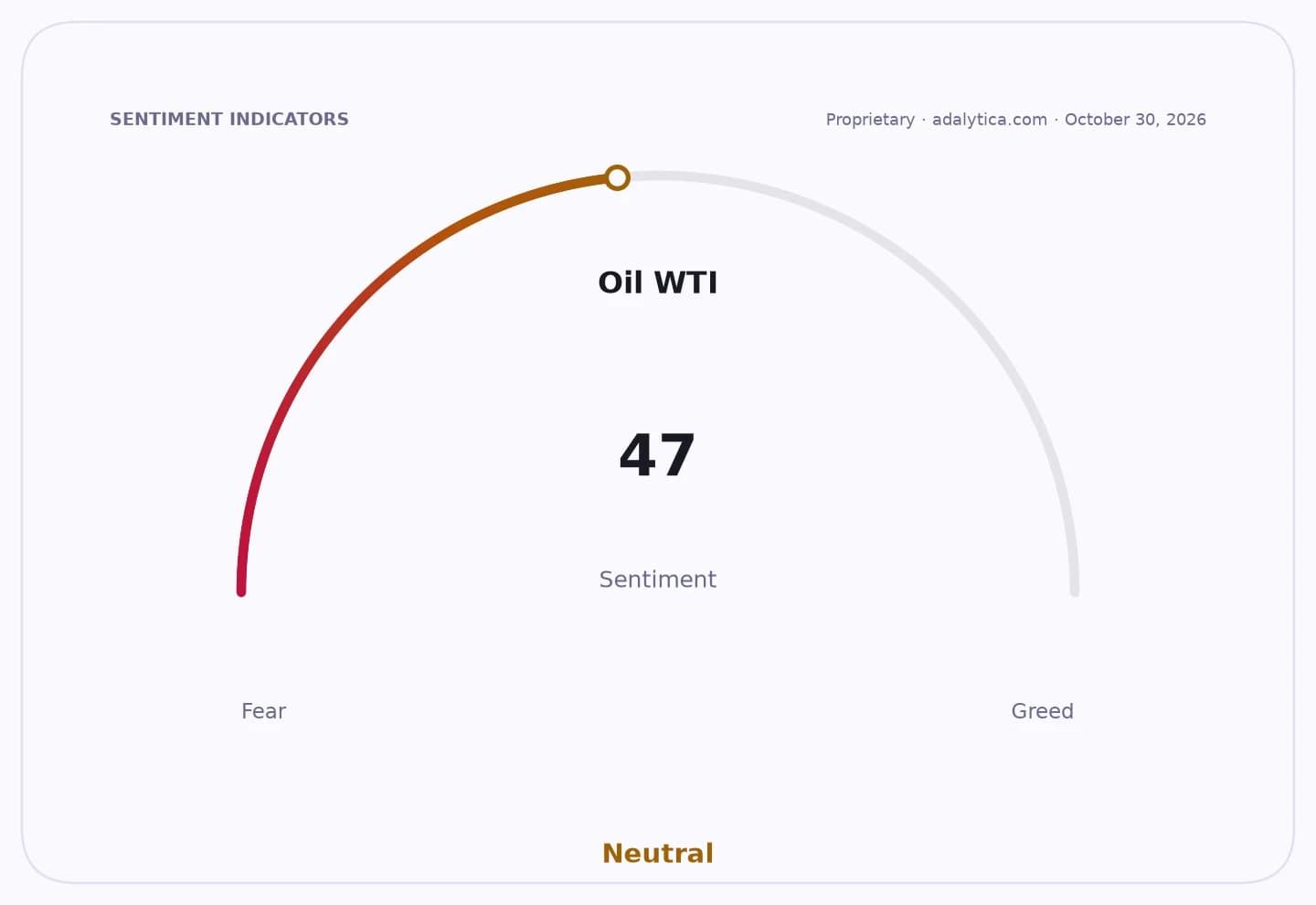
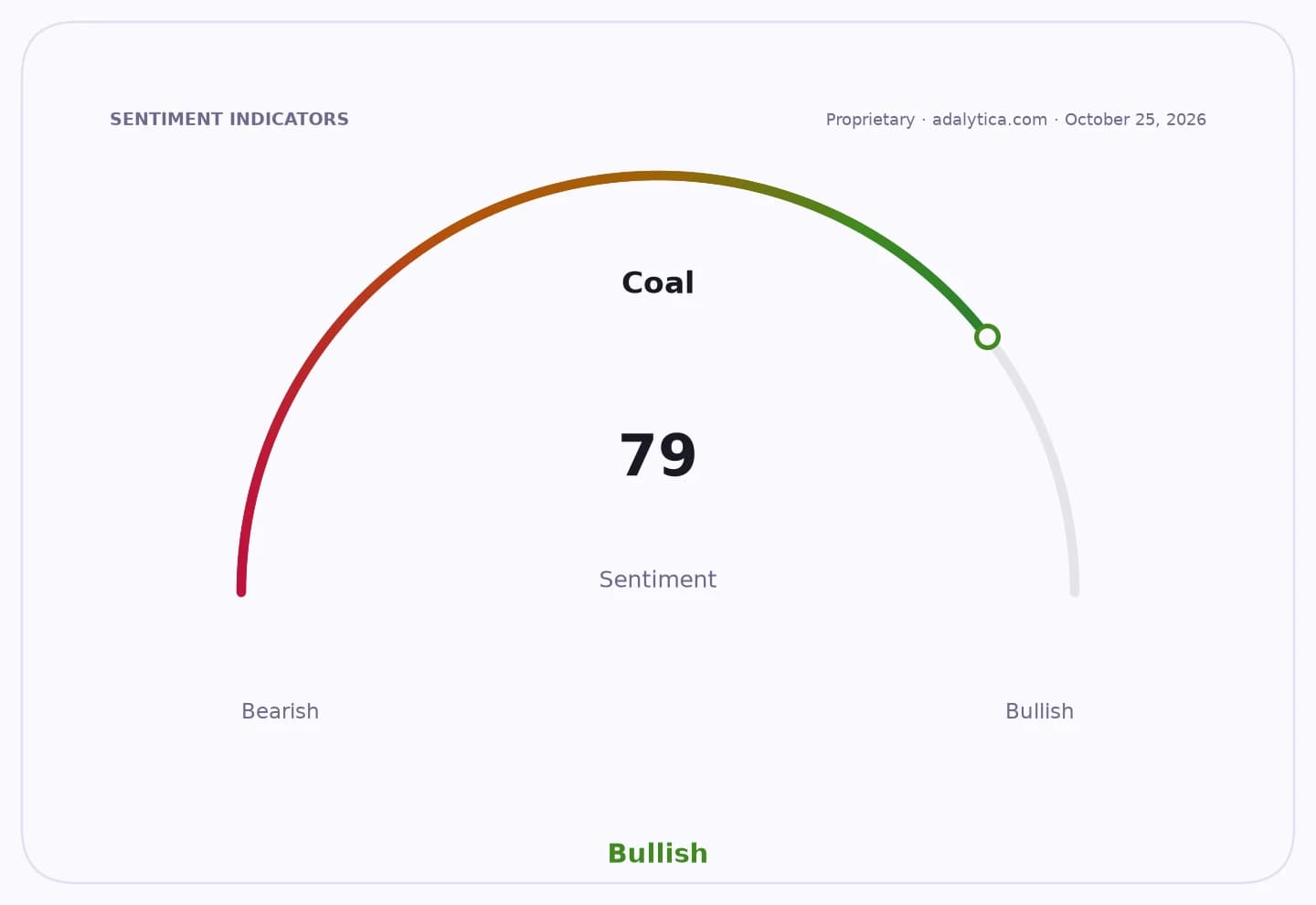
Sentiment Indicators
That matters because China has been the swing buyer in the global LNG market. When Chinese import growth slows, the market loses one of its biggest demand engines just as new supply is still coming online. For producers and traders, that raises the risk of a looser market, softer long-term pricing and more competition for cargoes in Europe and Asia. It also means the market underestimates how much leverage pipeline gas can gain when LNG prices spike.
Russian gas is already winning on economics and logistics. China’s pipeline gas imports rose 8% to 82 billion cubic meters this year, helped by the Power of Siberia pipeline running at full capacity. Russian pipeline exports to China were said to reach 50 billion cubic meters in total this year, while Russian supplies to China climbed by 7.7 billion cubic meters to 38.8 billion. Another route, the Far Eastern corridor, is due to start next year or even sooner, and Moscow is still pushing for expansion of Power of Siberia and a long-discussed second route, Power of Siberia 2.
The investment implication is clear: the market should stop treating LNG demand in China as a one-way growth story. Beijing is willing to buy LNG when prices are attractive, but it is not paying up for volumes it does not need. That becomes even more important when spot prices surge. LNG prices in Europe and Asia have climbed to four-year highs above $1,000 per 1,000 cubic meters, a level that should normally pull in more cargoes, yet Chinese buying has remained restrained.
For LNG exporters, that is a warning, not a footnote. Cheniere Energy, global LNG developers and shipping names have benefited from the view that China would absorb rising supply. If China substitutes more pipeline gas for LNG, that thesis weakens at the margin. For Russian gas producers and pipeline operators, by contrast, the upside is structural: once a pipe is built, the marginal cost is low, volumes are sticky, and China gets a more predictable supply base.
There is still a counterargument. China’s total gas consumption is still rising, and some analysts see room for both Russian pipeline gas and LNG to expand if demand reaches 530 billion to 550 billion cubic meters by 2030. But the more important near-term trend is that Chinese gas demand is not growing fast enough to justify endless LNG import growth. Domestic production is rising, renewable power is meeting more electricity demand, and industrial gas growth is slowing.
That is why the biggest trade here may not be in gas prices alone, but in how capital is allocated across the energy complex. Investors should lean into the beneficiaries of China’s pivot toward cheaper, more dependable pipeline molecules and stay selective on LNG names that depend on relentless Asian demand growth. The next leg of the story will be decided not by whether China buys gas, but by whether it keeps replacing cargoes with pipes.
| Entity | Gains | Losses |
|---|---|---|
| Russia pipeline exporters | ▲Higher volumes, long-term contracts | ▼LNG competitors |
| Chinese buyers | ▲Cheaper, steadier supply | ▼Spot LNG exposure |
| LNG exporters | ▲Fewer? | ▼ |
| Cheniere / LNG developers | ▲Global price support from scarcity | ▼China demand growth thesis |