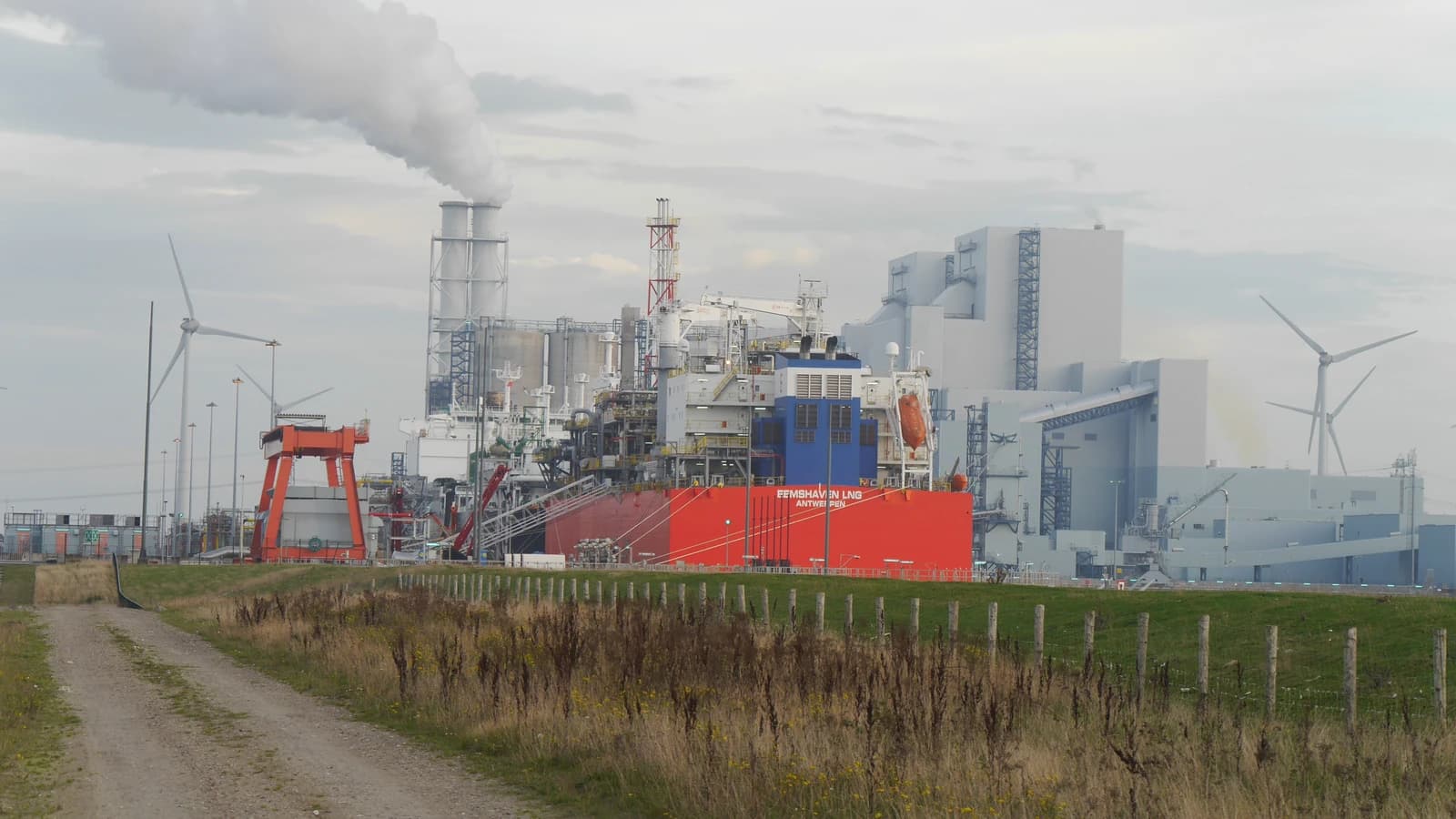
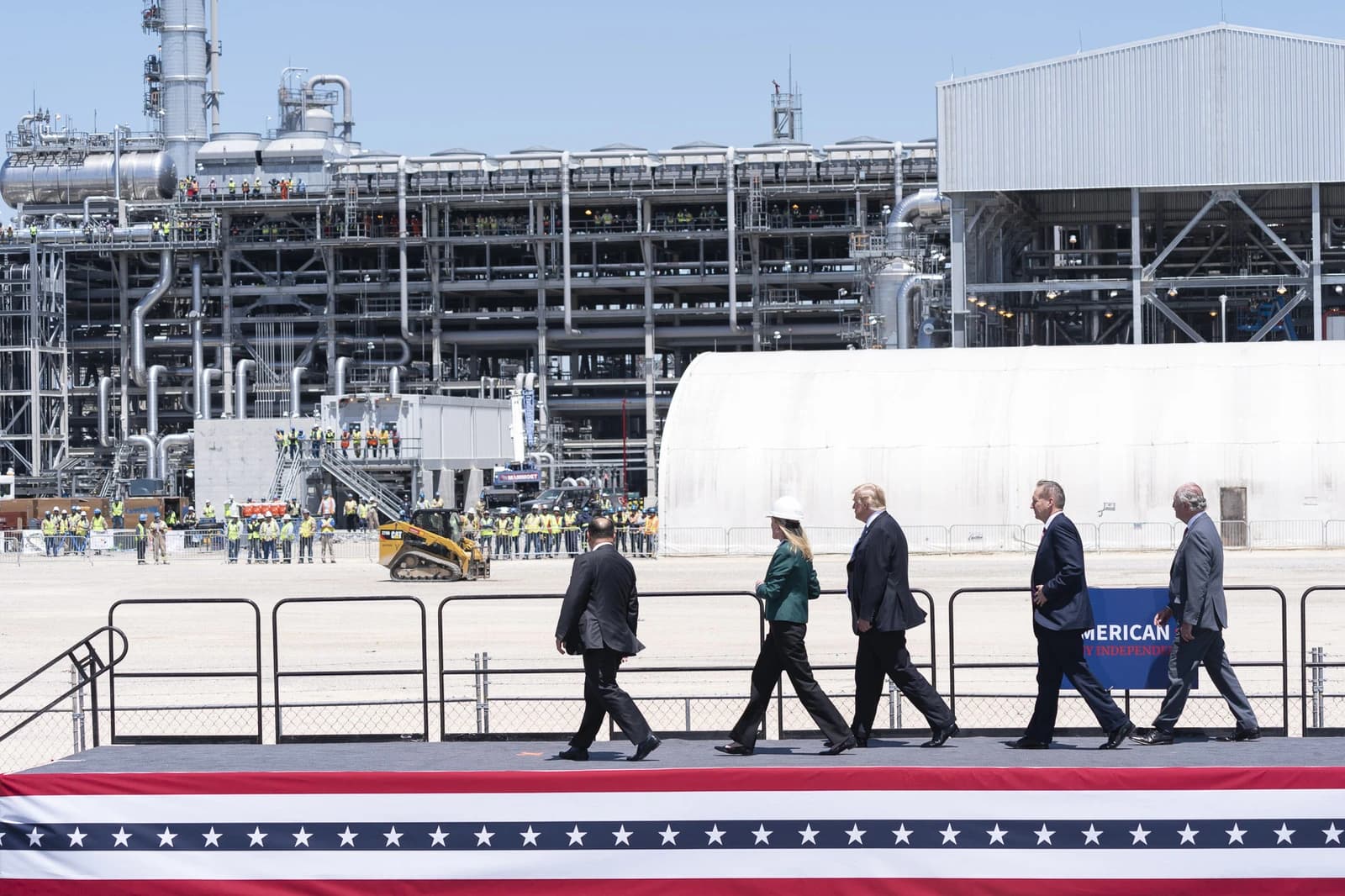
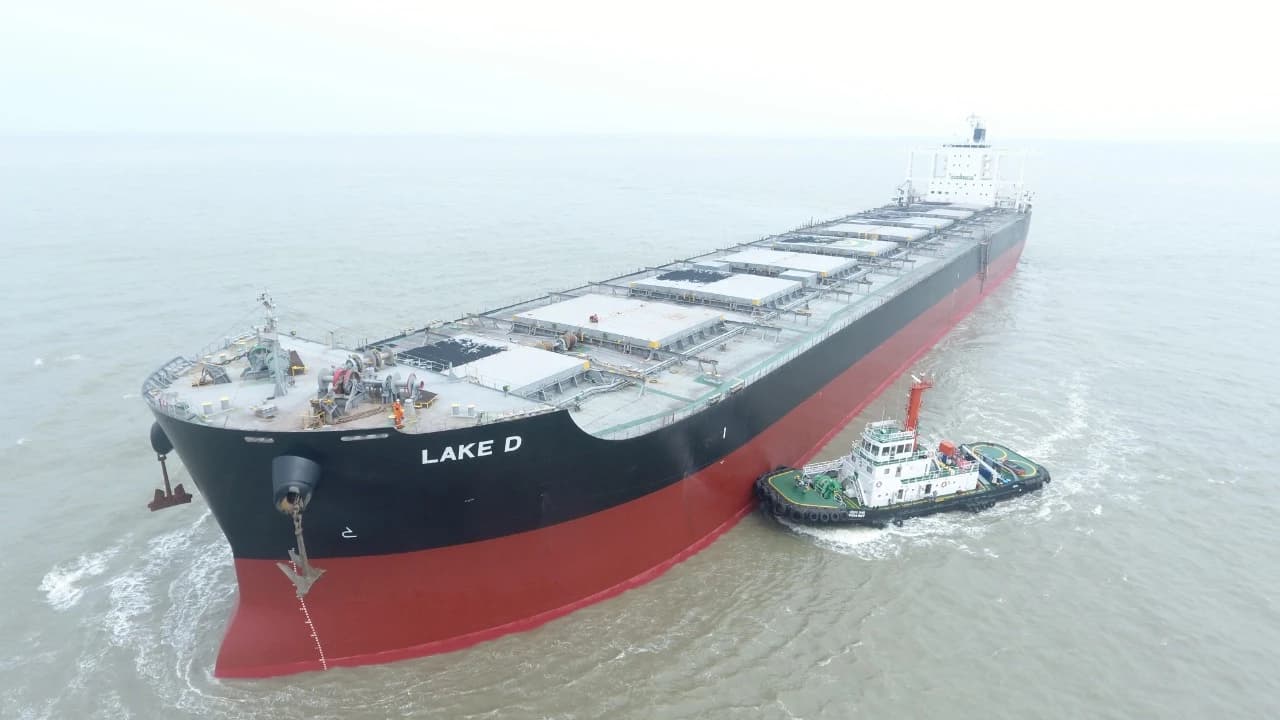
The United States is trying to double liquefied natural gas exports by 2029, and Southeast Asia is emerging as one of the most important battlegrounds for that supply, a push that could reshape pricing, infrastructure investment and energy security across the region.
US LNG Exports Target Southeast Asia Growth

Washington’s goal matters because LNG has become one of the sharpest levers in global trade and geopolitics. When supply tightens, as it has in recent months, buyers in Asia scramble for cargoes and spot prices jump; when new export capacity comes online, the winners are not just producers but also shippers, terminals, pipeline operators and project financiers that sit along the value chain.
Sentiment IndicatorsⓘProprietary · adalytica.com · October 25, 2026
This is a snapshot — live sentiment, awareness and momentum for 130+ markets update continuously in the dashboard.Open AlphaPulse
US Ambassador to ASEAN Kevin Kim said demand in Southeast Asia is rising fast as digital economies expand and manufacturing deepens, creating a structural need for more power. He said US Secretary of State Marco Rubio has announced more than $2.5 billion in strategic foreign assistance to Southeast Asia, including a Development Finance Corporation commitment of more than $1.5 billion for energy infrastructure that could help crowd in private capital and bring total project financing above $3 billion.
That is the investable story the market should focus on: this is not just about more gas molecules crossing the ocean, but about an emerging financing and infrastructure cycle around LNG regasification, storage, ports and power networks in a region that is hungry for reliable baseload energy. As Southeast Asian governments seek to balance growth with energy security, US LNG can gain share from rivals if it is paired with bankable infrastructure and long-term offtake agreements.
The timing is also favorable for exporters. Asian LNG spot prices have surged to around $30.4 per million British thermal units, the highest since 2022, as geopolitical strains tighten supply and force importers to diversify. That environment supports US cargo economics and keeps the LNG trade in expansion mode even as Europe and Asia compete for the same barrels and cargoes.
Investors should read this as a medium-term bullish setup for the LNG ecosystem. Cheniere Energy, the largest US exporter, is still the clearest pure-play beneficiary of rising global demand and capacity growth. Flex LNG and other shipping names can gain from longer-haul cargo flows, while infrastructure-linked names such as Kinder Morgan and other terminal and pipeline operators stand to benefit if Southeast Asian import capacity and US export terminals both need to expand.
The wider implication is that LNG is becoming a strategic asset class, not just a commodity. If Washington succeeds in doubling exports by 2029, the next phase of the trade will likely be defined less by spot volatility and more by who controls the infrastructure, financing and long-term contracts that move gas from US shale basins to Asian industrial hubs. For investors, that means the real opportunity is in the toll roads of the LNG economy, not just the fuel itself.
| Entity | Gains | Losses |
|---|---|---|
| US LNG exporters | ▲Higher volumes, stronger pricing | ▼Capital intensity |
| Southeast Asian buyers | ▲More supply options | ▼Greater import dependence |
| LNG infrastructure firms | ▲More terminals, pipelines, financing | ▼Fewer scarcity rents |
| Rival suppliers | ▲Market-share pressure | ▼Lost cargoes to US suppliers |