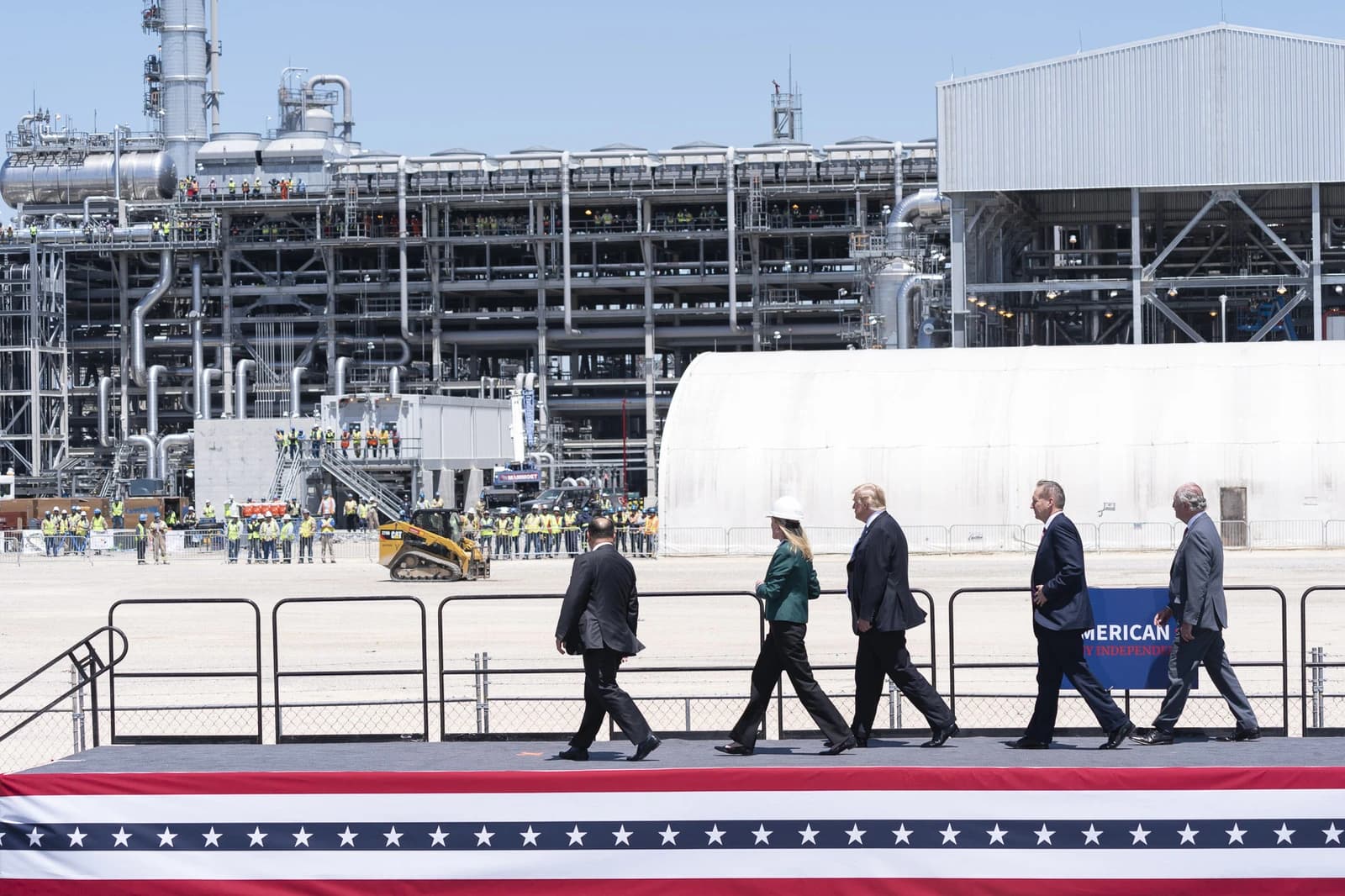
China is pressing local oil and gas companies to lift production and keep supplies flowing as elevated crude prices and geopolitical tensions sharpen the risk of tighter energy balances and higher import bills.
China Presses Oil Producers to Raise Output
Oil WTI
The push matters because China is the world’s biggest crude importer and one of the largest consumers of refined fuels. When Beijing leans on domestic producers to raise output, it is not just trying to ease short-term supply strains; it is also trying to blunt the inflationary impact of a rally in oil that has already fed through to transport and industrial costs. US crude, as represented by West Texas Intermediate, is around $105 a barrel, after swinging between about $85 and $123 in recent years, underscoring how quickly energy costs can reprice across the global economy. The 10-year US Treasury yield is near 5.05%, adding to the pressure on risk assets by keeping financing costs high at the same time that energy prices remain firm.
Sentiment Indicators
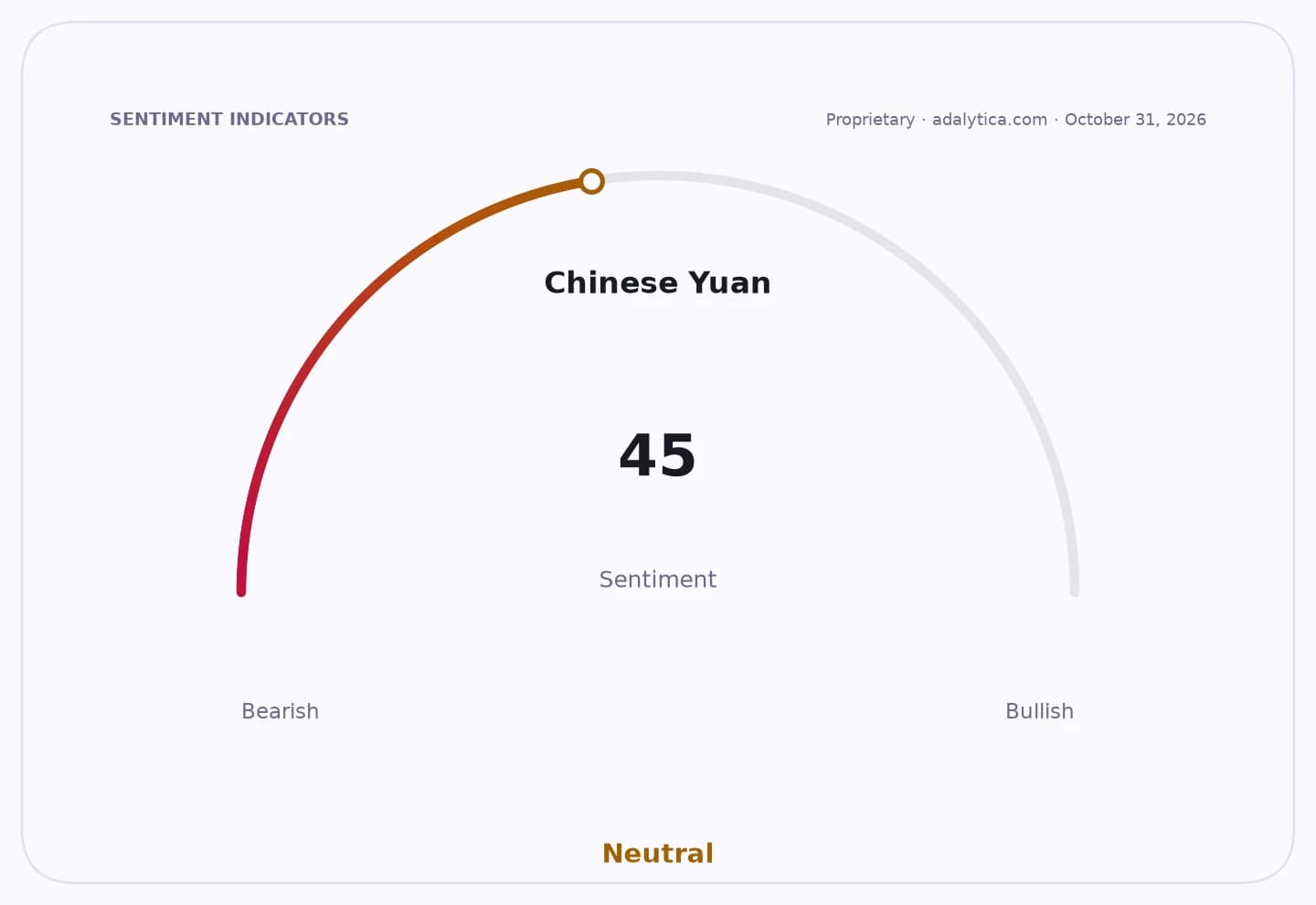
For investors, the message is twofold. On one hand, higher mandated output is supportive for Chinese producers and refiners such as Sinopec, which has already reported stronger earnings on improved oil and refining margins. On the other, it points to a policy environment in which Beijing is prioritizing supply security over market efficiency, a shift that can tighten domestic capital allocation and cap downside in crude-linked equities even if global demand softens. Adalytica’s oil trade signals show neutral sentiment but a sharp pickup in recent activity, reflecting a market that is still trying to price the next move in prices rather than settling into a clear trend.
The broader narrative is one of energy security overriding pure economics. China has been diversifying crude imports, leaning more on suppliers in Africa and Brazil, while also increasing domestic output modestly and preserving flexibility in strategic reserves. That helps reduce exposure to disruptions in the Middle East and to potential Western sanctions, but it does not eliminate China’s dependence on imported barrels. If anything, the combination of higher import volumes, firmer domestic production targets and volatile overseas supply highlights how central energy has become to Beijing’s industrial and geopolitical strategy.
The near-term question for markets is whether China’s efforts can meaningfully offset the cost pressure from global supply disruptions. If they can, the effect would likely be most visible in steadier refinery margins and less strain on fuel inventories. If they cannot, Chinese policymakers may have to rely on fuel price adjustments, export quotas and stock management to keep the system balanced, leaving oil prices and energy-sensitive assets exposed to fresh volatility.
| Entity | Gains | Losses |
|---|---|---|
| China oil producers | ▲Higher output targets | ▼Higher operating pressure |
| Chinese refiners | ▲Stronger margins | ▼Policy-driven supply constraints |
| Global oil sellers | ▲Firmer demand support | ▼Less pricing flexibility |
| Energy consumers | ▲More stable supply | ▼Persistent high fuel costs |