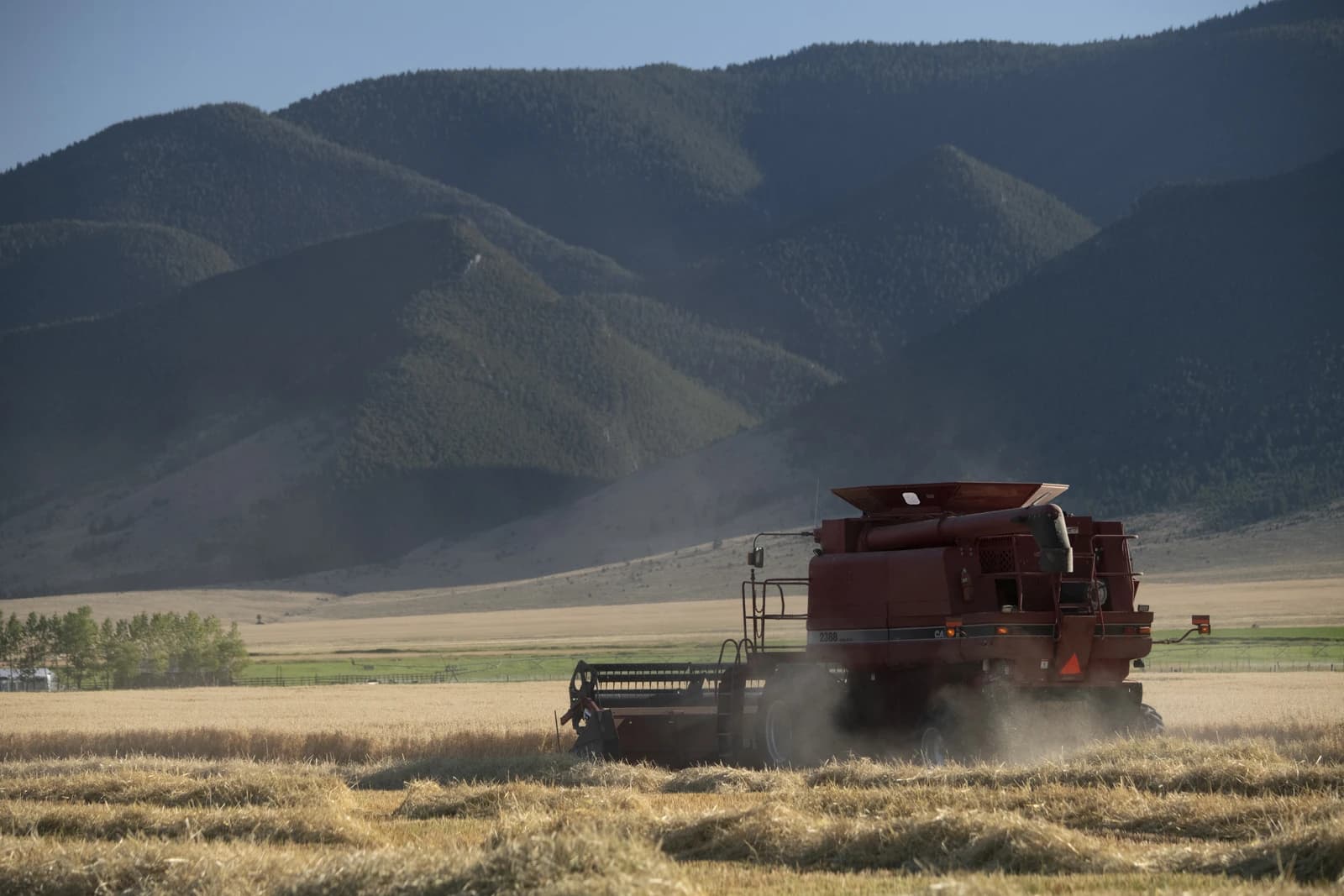
Egypt’s grain production rose to 22.3 million tons in 2025, edging past imports of 22.1 million tons for the first time and marking a meaningful turn in a country long dependent on overseas supplies for a strategic staple.
Egypt grain output tops imports in 2025
The change matters because grain sits at the center of Egypt’s inflation profile, fiscal burden and social stability. Any reduction in import dependence eases pressure on hard-currency reserves, lowers exposure to shipping disruptions and gives policymakers more room to manage bread and food subsidies. For a country that is one of the world’s largest wheat importers, even a narrow surplus in domestic output is economically significant.
Sentiment Indicators
Ahmed Al-Wakil, head of Egypt’s General Federation of Chambers of Commerce, said the figures reflect a broader push to strengthen food security and the resilience of grain supply chains. His comments came at a regional dialogue conference for the STAPLES project, focused on food security and the durability of grain logistics. That theme is gaining urgency as global grain markets remain vulnerable to geopolitics, freight bottlenecks and shifting export policies.
The backdrop is still not benign. International grain prices have been under pressure from volatile export expectations, while the wider commodity market remains sensitive to disruptions in the Black Sea, weather risks and transport constraints. In Egypt’s case, that means domestic gains are valuable not just for their own sake, but because they reduce the country’s need to buy into a fragmented and often expensive global market.
For investors, the implication is twofold. First, a smaller import bill is constructive for the external account and may modestly support the pound by trimming demand for foreign currency. Second, companies tied to local storage, logistics, milling and food processing could benefit if policy shifts favor domestic sourcing and longer-term supply-chain investment. The offset is that a more self-sufficient grain market could gradually compress some import-related trading margins.
The bigger narrative is that Egypt is trying to convert food security from a recurring vulnerability into a structural advantage. Whether that shift holds will depend on harvest yields, storage losses, water availability and the ability to maintain transport and financing channels. But for now, the numbers suggest a rare milestone: domestic grain output has caught up with, and slightly overtaken, imports.
| Entity | Gains | Losses |
|---|---|---|
| Egyptian government | ▲Lower import pressure | ▼Less room for easy overseas sourcing |
| Consumers | ▲Improved supply security | ▼Limited near-term relief if inflation persists |
| Grain importers | ▲— | ▼Narrower trade margins |
| Local agriculture and logistics | ▲Higher investment demand | ▼Need to scale fast to sustain gains |