There is no tomato supply crisis in Egypt, even if prices may edge higher in the near term as seasonal gaps and weather shifts squeeze the market, the head of the Farmers’ Syndicate said.
Egypt tomato prices may rise seasonally
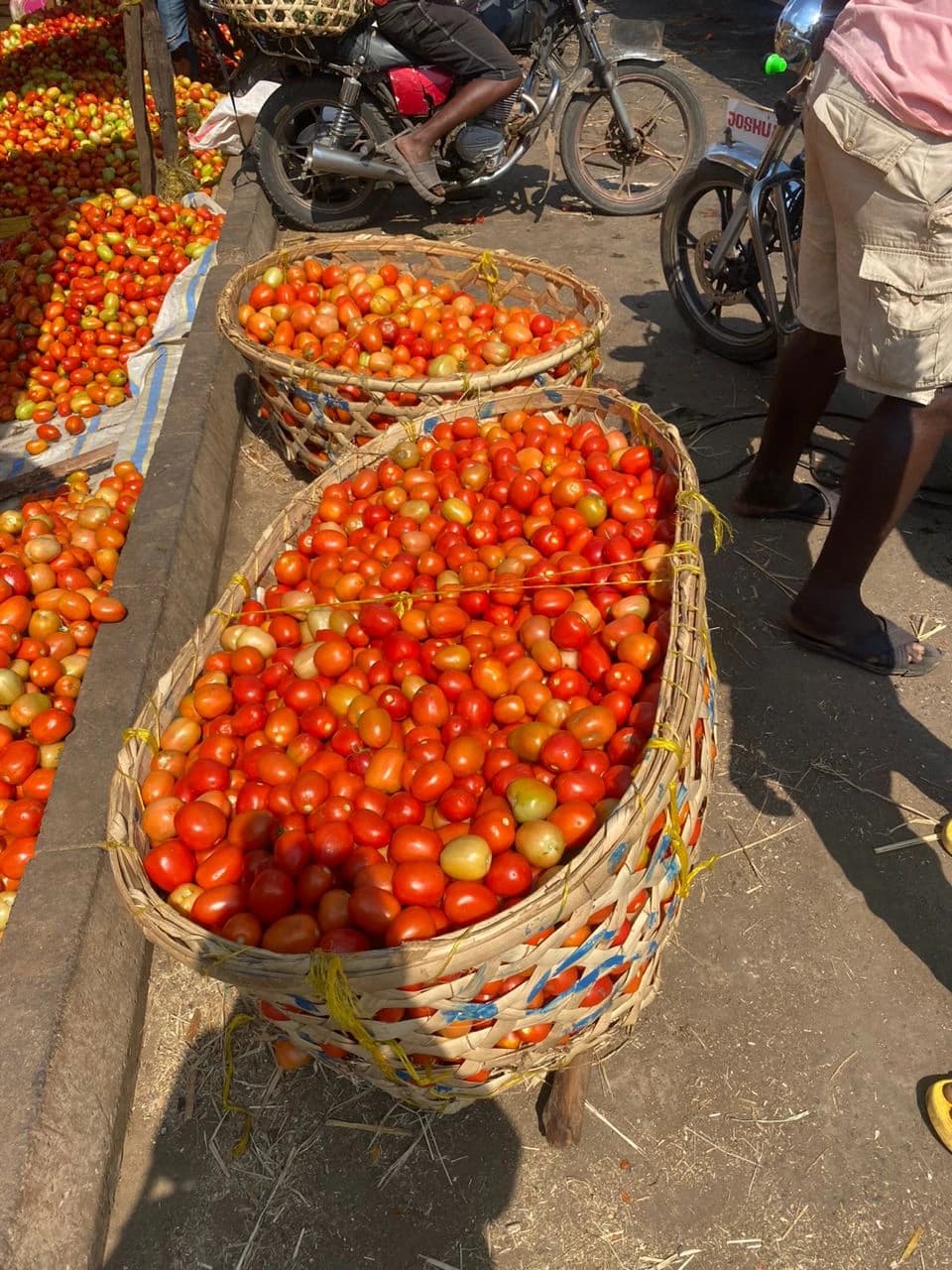
That matters because tomato prices can hit household budgets quickly in Egypt, where fresh produce is a staple purchase and food costs carry outsized political and economic weight. Hussein Abdel Rahman Abu Saddam said the current moves in some farm goods do not point to a shortage, but to the normal rhythm of agricultural cycles, climate changes and the break between crop seasons.
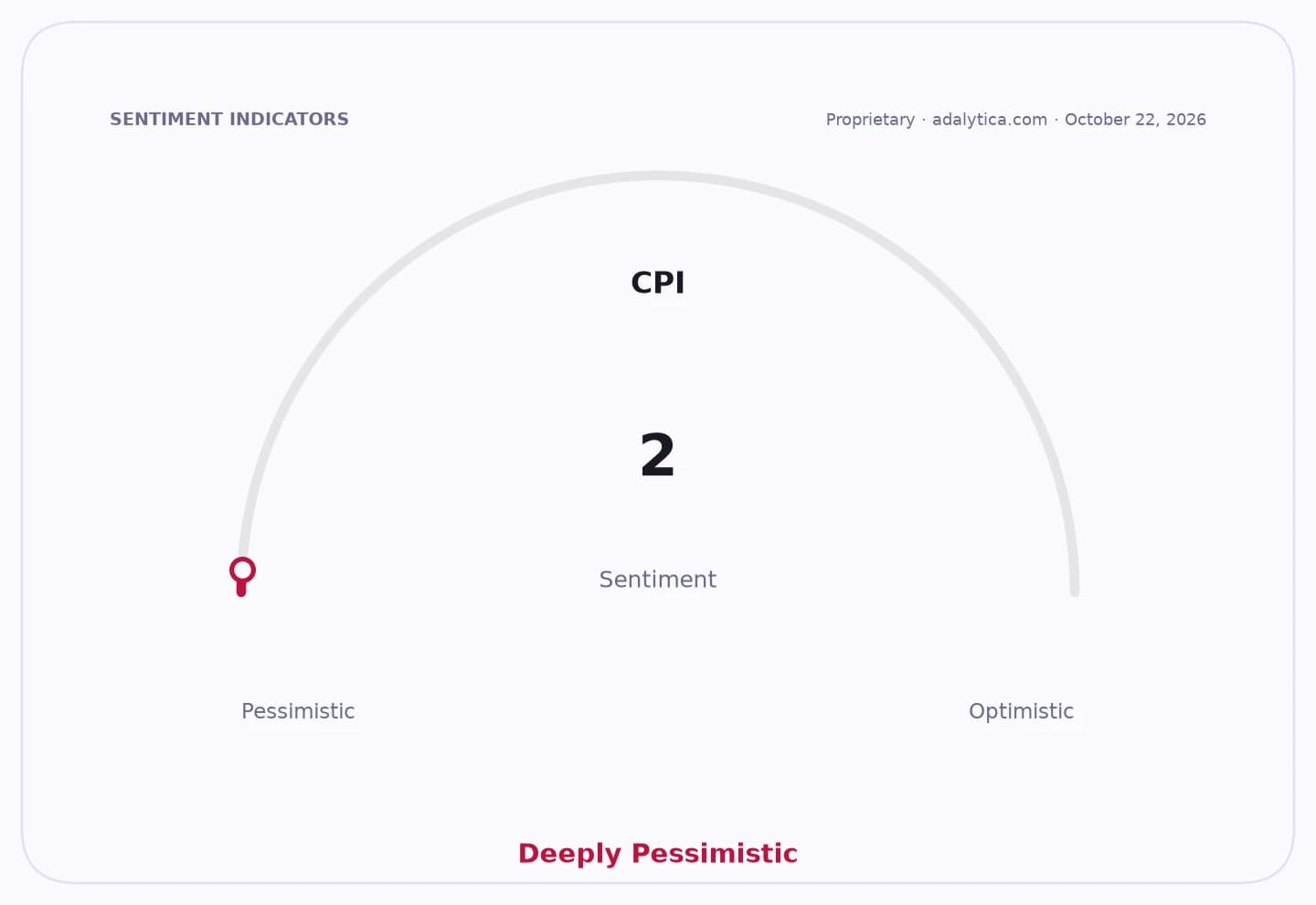
Sentiment Indicators
He said Egypt’s farm sector remains strong enough to cover domestic demand, pointing to exports of more than 9.5 million tons of vegetables and fruit as evidence of ample production. His message is essentially that the market is dealing with timing, not collapse: supplies tighten before the next crop comes in, then recover as volumes return to the shelves.
Tomatoes are the most exposed crop in that pattern. Abu Saddam said their prices could rise for a while until the new crop reaches markets, but he does not expect large increases. For investors and consumers, that distinction is important. A temporary squeeze can lift food inflation and pressure purchasing power, but it is very different from the kind of sustained supply shock that rewrites the outlook for producers, distributors and retailers.
The broader agricultural message is more constructive than the tomato headline suggests. Egypt is still expanding farm output, from new land projects in the Delta, Toshka, Oweinat and Farafra, while industry voices are calling for more fertilizer, cheaper fuel, better logistics and stronger research into climate-resilient seeds. Those steps matter because they are what turn a weather-sensitive farm economy into a more reliable food supplier and export earner.
There is also a long-term investment angle here. If Egypt can keep scaling production while reducing post-harvest losses and expanding food processing, it can protect consumers at home and capture more value abroad. Abu Saddam and other sector officials argue that moving beyond raw exports toward processed products such as dried tomatoes and lemon products could lift margins and open new markets.
For now, the key takeaway is simple: tomato prices may rise seasonally, but the story is not one of shortage. It is one of supply timing, climate volatility and the larger push to make Egypt’s farm sector more resilient, more productive and more profitable over time.
| Entity | Gains | Losses |
|---|---|---|
| Farmers and growers | ▲Higher seasonal farmgate prices | ▼Input cost pressure |
| Consumers | ▲No broad supply shortage | ▼Higher tomato bills |
| Egyptian exporters | ▲Strong production base | ▼Weather-sensitive crop timing |
| Food processors | ▲More value-add opportunities | ▼Raw produce price volatility |