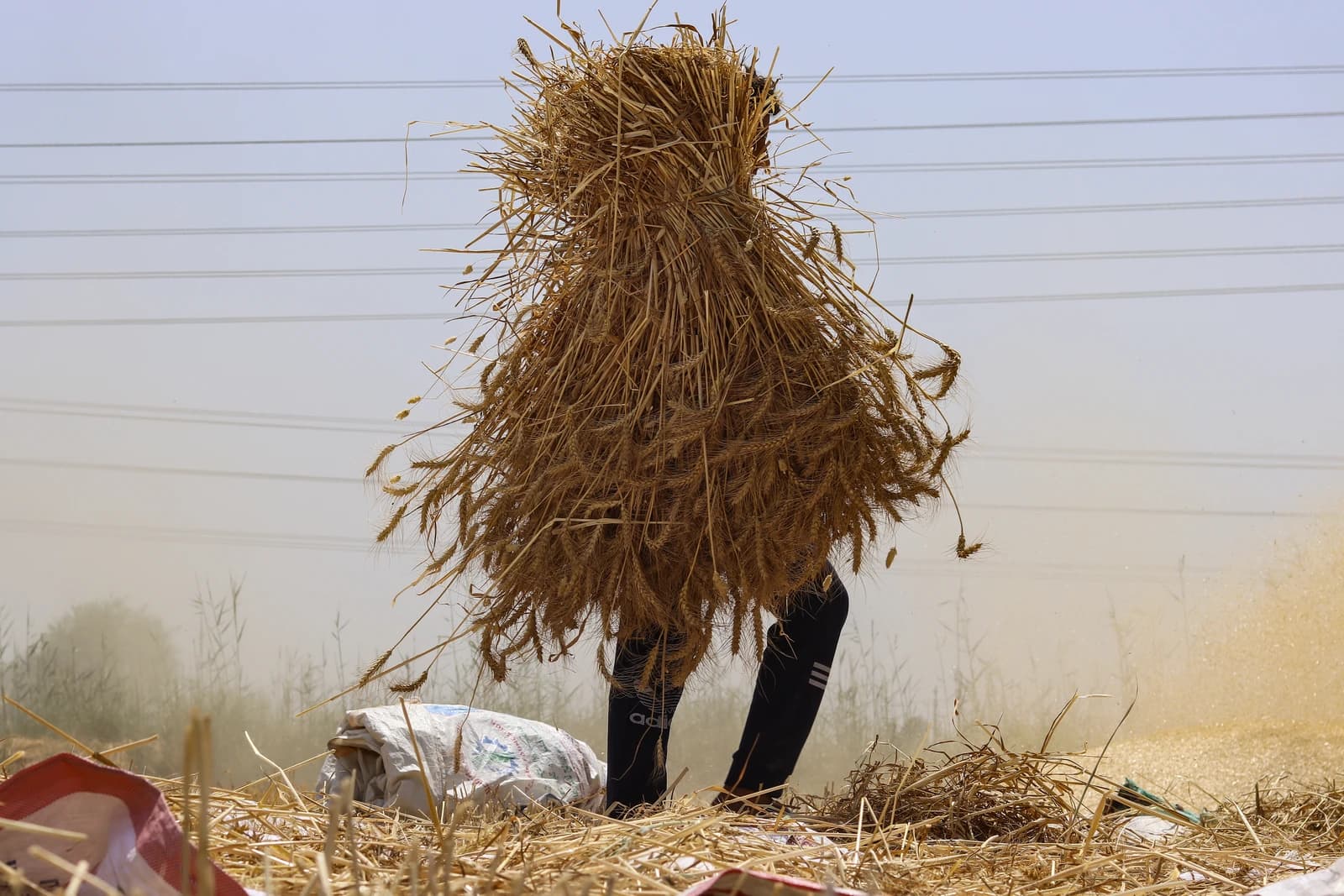
Egypt is raising the state procurement price for wheat to 2,650 pounds per ardab next season, up from 420 pounds in 2014 and 2,500 pounds this year, as the government tries to keep farmers planting strategic crops and reduce import dependence.
Egypt Raises Wheat Procurement Price to 2,650 Pounds
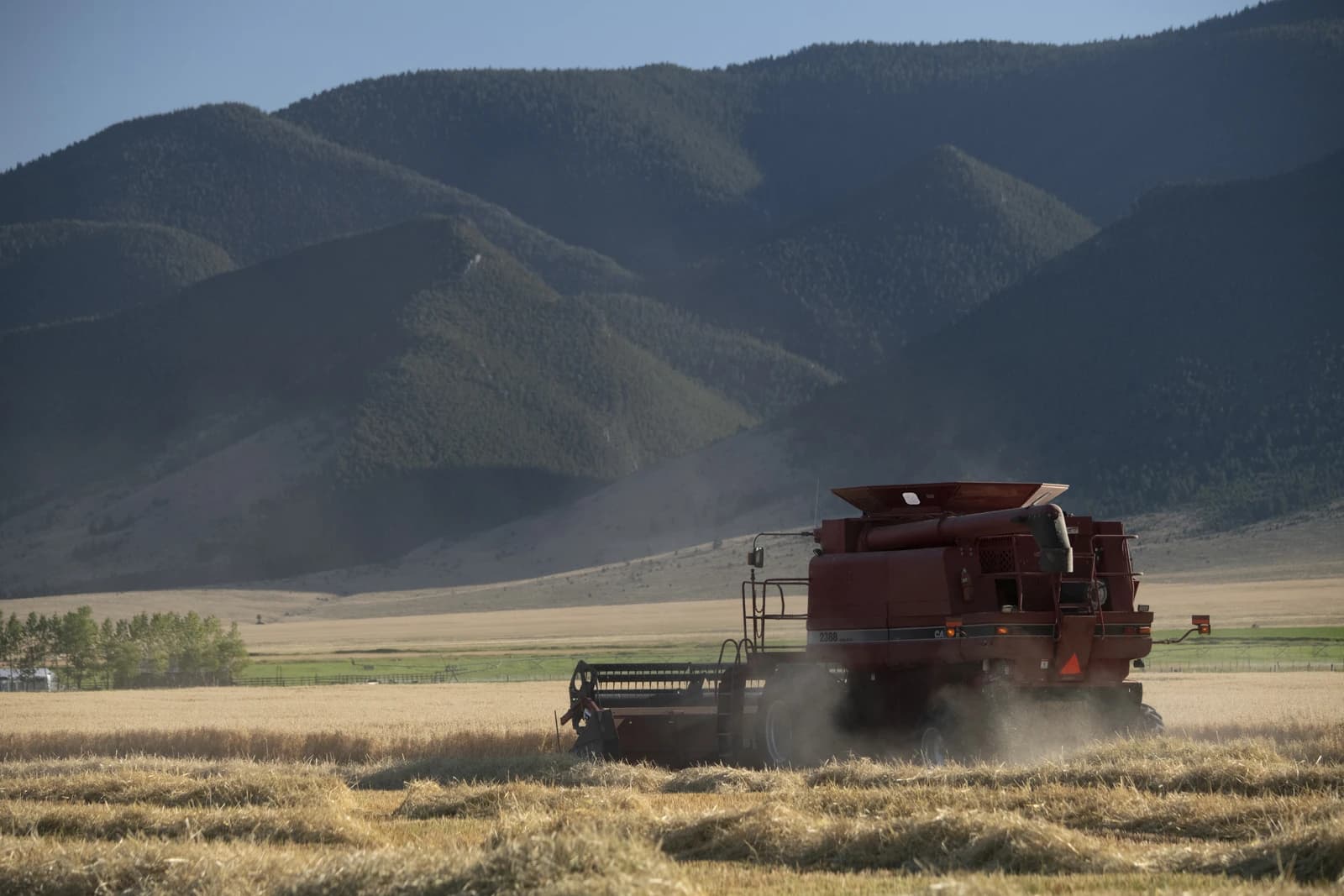
The move underscores how food security, not just farm policy, is shaping grain economics in the Arab world’s biggest wheat buyer. Higher guaranteed prices are meant to improve growers’ returns and encourage acreage expansion in wheat and sugar crops, helping cushion a market still exposed to global price swings, a stronger dollar and tight domestic supply chains.
Sentiment Indicators

Agriculture Minister Alaa Farouk said the higher procurement rate is part of a wider state effort to stimulate production of strategic crops. He also pointed to a rise in wheat output to 11 million tons from 8.7 million tons in 2014, while sugar beet production climbed to 17 million tons from 11 million tons over the same period.
For investors, the policy matters because it can shift local planting decisions, import demand and pricing power across the grain complex. State-backed buying typically supports farmers’ income and can stabilize supply, but it also raises the fiscal burden on the government if world prices fall faster than domestic procurement costs.
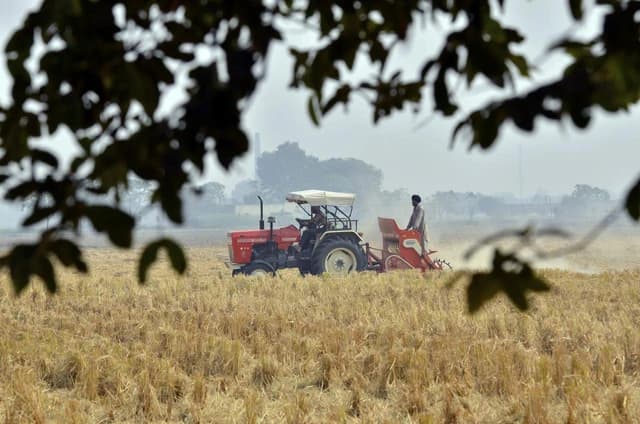
The backdrop is a wheat market that has been choppy, with global prices easing from recent highs even as local wholesale prices remain elevated in some markets. Chicago wheat ETF WEAT was still trading below its 50-day moving average in recent sessions, while corn-focused CORN and broad agriculture fund DBA also showed weaker technical momentum, reflecting pressure across the grain space.
The key test now is whether the higher Egyptian price and broader incentive program translate into more planted acreage and stronger deliveries in the next season. Traders will be watching harvest conditions, import tender activity and global crop reports for signs of whether state support is enough to tighten local supply or merely slows the need for foreign wheat.
| Entity | Gains | Losses |
|---|---|---|
| Egyptian farmers | ▲Higher guaranteed returns | ▼Lower exposure to price risk |
| Egypt government | ▲Better domestic supply security | ▼Larger subsidy/fiscal bill |
| Wheat importers | ▲More stable local supply | ▼Less import demand |
| Global wheat exporters | ▲Potentially smaller Egypt orders | ▼Weaker pricing power |