Egypt's government will begin a pilot cash-transfer program in Beheira on Jan. 1, lifting the value of monetary support to offset inflation as it shifts away from in-kind subsidies and seeks to keep household food access stable.
Egypt launches cash-transfer pilot in Beheira

The move matters because Egypt is trying to preserve social protection without widening shortages or distorting the market for basic goods. By tying support to inflation, the government is effectively acknowledging that a fixed cash benefit would lose purchasing power in an economy where prices can move faster than household income. A more transparent, cash-based system also gives policymakers room to target aid more precisely, a crucial issue in a country where subsidy spending has long been a pressure point for the budget.
Sentiment Indicators
Government spokesman Mohamed Adel said the change is not intended to reduce the number of beneficiaries, but to create a more flexible and transparent mechanism. He said the pilot in Beheira is meant to test the system before a broader rollout, while the government also pledged a strategic stockpile of essential goods covering no less than six months.
For investors, the announcement is a reminder that Egypt is still balancing fiscal discipline against social stability. A larger cash-transfer program can help cushion demand for staples, but it also raises questions about the budget impact if inflation remains sticky. That tension matters for holders of Egyptian sovereign debt, for banks exposed to domestic consumption, and for food retailers and distributors that depend on predictable household purchasing power.
The broader macro backdrop helps explain the urgency. Inflation remains a central policy constraint globally, with central banks in the U.S. and Europe still debating how hard to push against it. In Egypt, where food and imported goods carry outsized weight in the consumer basket, the risk is not just higher prices but the erosion of real support for lower-income households. A cash system that is indexed more closely to inflation could reduce that erosion, but only if the state can finance it sustainably.
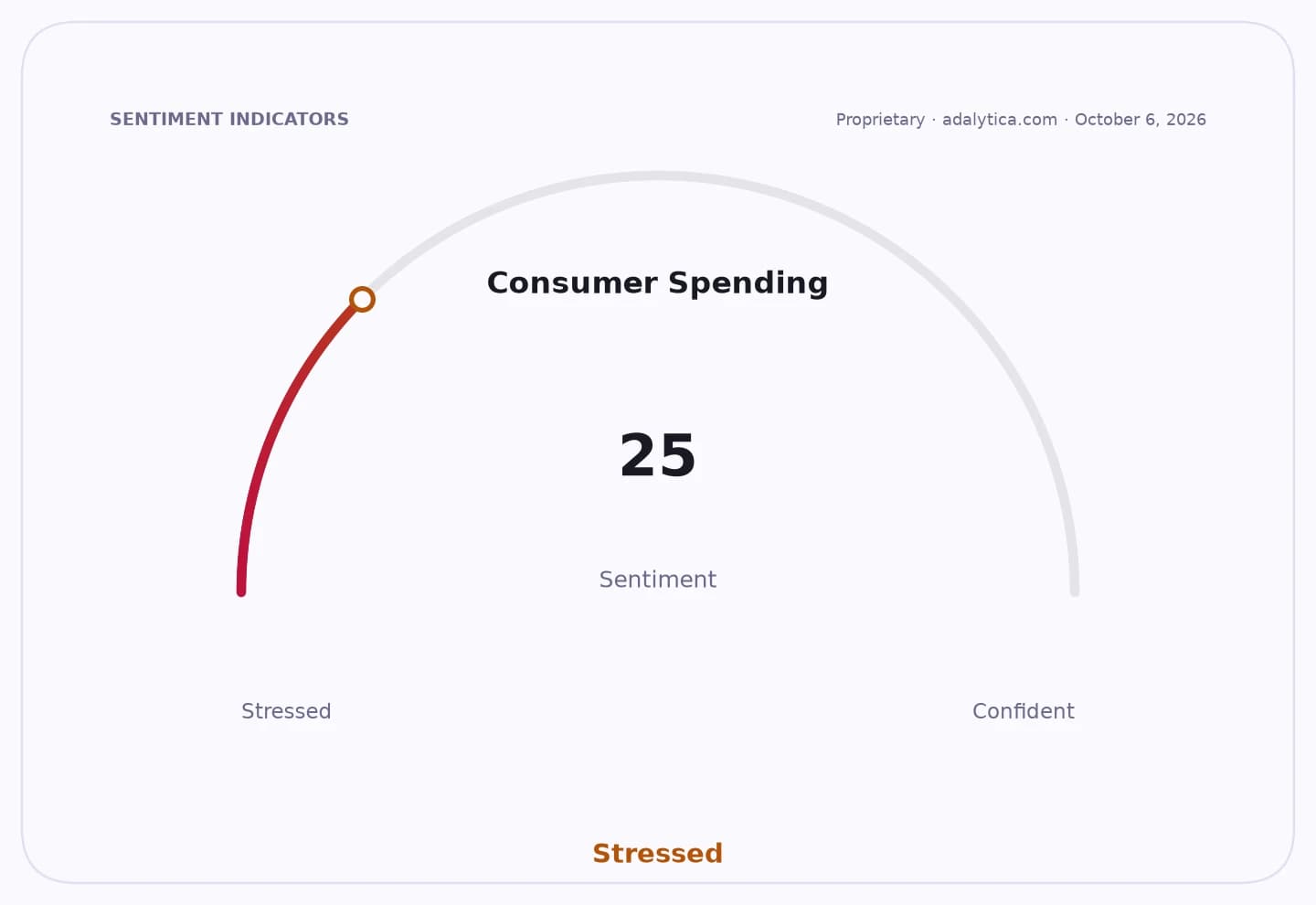
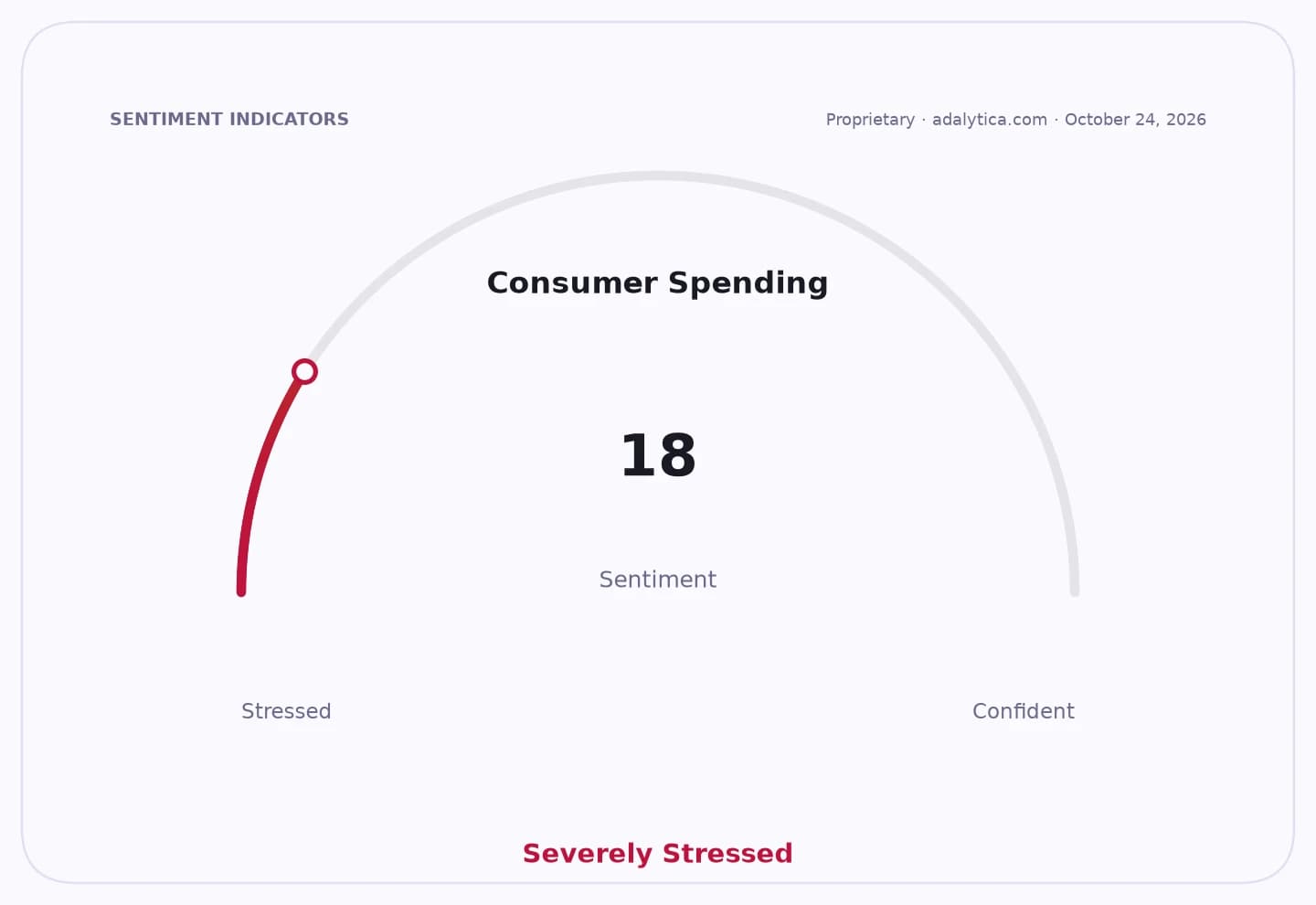
Market signals from consumer staples have already reflected how sensitive households remain to price pressure. Defensive retail names such as Walmart, Costco and the U.S. consumer staples ETF have held up better than the broader market, while sentiment gauges on consumer spending show extreme fear. That pattern underscores the same economic logic behind Egypt's policy shift: when inflation bites, governments and companies alike must decide whether to absorb the cost, pass it on or risk losing demand.
The success of the pilot will be judged less by the size of the transfer than by whether it stabilizes access to bread, cooking oil and other essentials without creating new fiscal strain. If the rollout works, it could provide Egypt with a more durable subsidy framework. If inflation accelerates faster than the support is adjusted, the policy may simply shift pressure from households to the public balance sheet.
| Entity | Gains | Losses |
|---|---|---|
| Low-income households | ▲Better real purchasing power | ▼Less exposed to price spikes |
| Egyptian government | ▲More targeted subsidy system | ▼Higher fiscal burden |
| Food retailers and suppliers | ▲More stable demand | ▼Less room for margin expansion |
| Bondholders/taxpayers | ▲— | ▼Greater budget pressure |